Advice & guides › Prevention & Maintenance
Stop Blockages: What NOT to Flush or Pour Down UK Drains
By The FixDelivered Team · Updated 2026-10-01 · 6 min read
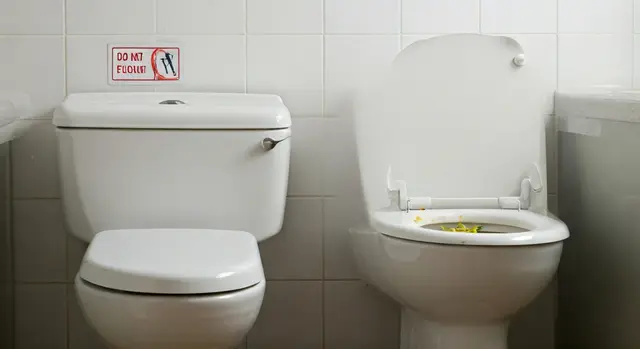
A blocked drain or a backed-up toilet is more than just an inconvenience; it can lead to costly repairs, unpleasant odours, and even environmental damage. In the UK, many of these issues are entirely preventable simply by being mindful of what goes down our drains and toilets. This guide, updated for 2026, will help you understand the common culprits behind household blockages and how to dispose of them properly, protecting your home and our wider drainage systems.
The Hidden Dangers of Improper Disposal
Our drainage systems, both within our homes and the vast network beneath our streets, are designed to handle only specific types of waste. When inappropriate items are introduced, they don't simply disappear. Instead, they accumulate, cling to pipe walls, and combine with other waste to form stubborn blockages. The most infamous of these are 'fatbergs' – colossal masses of congealed fat, oil, grease (FOG), and non-biodegradable items like wet wipes, which can grow to immense sizes in public sewers, costing millions to remove annually. These costs are ultimately passed on to consumers through water bills.
What Should NEVER Go Down the Toilet
The 'three Ps' rule for toilets is simple: Pee, Poo, and (toilet) Paper. Anything else risks a blockage.
- Wipes (Even “Flushable” Ones): Despite marketing claims, 'flushable' wipes do not break down like toilet paper. They are often made with plastic fibres that remain intact, forming dense clumps that are a primary component of fatbergs. Always bin wipes.
- Cotton Buds, Cotton Wool, Dental Floss: These items are not biodegradable and can easily snag on pipe imperfections, acting as a net to catch other debris and form blockages.
- Sanitary Products & Nappies: Designed to absorb liquid and expand, these items are a major cause of blockages. They are not biodegradable and will cause significant problems in your plumbing.
- Hair: Hair strands combine with grease and other waste to form tangled masses that can severely restrict flow in pipes.
- Food Scraps: While small amounts might seem harmless, food can accumulate, decompose, and contribute to odours and blockages. Starchy foods like rice or pasta can expand when wet.
- Medicines & Pills: Flushing medicines introduces pharmaceutical chemicals into the water system, which can harm aquatic life and disrupt wastewater treatment processes. Return unused medicines to a pharmacy for safe disposal.
- Cat Litter: Even 'flushable' cat litter can expand and clump in pipes, leading to severe blockages. Always dispose of cat litter in the general waste bin.
- Bleach & Harsh Chemicals: While they might seem to clean, strong chemicals can damage your pipes over time, especially older ones. They also kill beneficial bacteria in septic tanks and can pollute waterways.
What Should NEVER Go Down the Sink
Your kitchen sink takes a lot of abuse, but it's crucial to remember that it's not a rubbish chute.
- Fats, Oils, Greases (FOG): This is arguably the biggest culprit for sink blockages and fatbergs. When hot FOG is poured down the sink, it cools and solidifies in your pipes, clinging to the sides and attracting other debris. Always scrape plates into the bin and collect cooled FOG in a disposable container (like an old yogurt pot or jar) before putting it in your general waste bin.
- Coffee Grounds: These seemingly harmless grounds accumulate and form a sludgy, compact blockage that is incredibly difficult to clear. Always put coffee grounds in your food waste bin or compost.
- Food Scraps (Even Small Ones): Similar to coffee grounds, small food particles can build up and decompose, leading to blockages and foul odours. Use a sink strainer and dispose of food waste properly.
- Flour: When mixed with water, flour forms a sticky paste that can solidify and cling to pipes, causing blockages.
- Paint & Paint Thinners: These are toxic chemicals that should never enter the water system. They can coat pipes, creating a sticky surface for other debris, and pollute the environment. Dispose of paint and chemicals at designated local recycling centres.
- Medicines & Chemicals: As with toilets, never pour medicines or harsh cleaning chemicals down the sink. They pose significant environmental risks and can damage your plumbing.
The True Cost of a Clog
Ignoring proper disposal habits can have significant consequences:
- Household Disruption: A blocked drain or toilet can render parts of your home unusable, creating unpleasant odours, and potentially causing sewage to back up into your property. This can lead to costly water damage and the need for professional cleaning.
- Financial Strain: Clearing a blockage typically costs anywhere from £100 to £200 for a standard issue that a plumber can resolve with basic tools. For more complex problems requiring drain jetting or CCTV surveys, costs can escalate to £250 to £500+. Emergency call-out fees, especially outside of normal working hours, will often be higher. If you find yourself in such a situation, you can tell us your emergency for fast help finding a qualified plumber.
- Environmental Impact: Public sewer blockages, often caused by fatbergs, can lead to sewage overflowing into streets, rivers, and coastal waters, harming wildlife and ecosystems.
Proper Disposal Alternatives
Preventing blockages is easier than dealing with them. Here are the best alternatives:
- Bin It: For almost all non-liquid waste, the general waste bin is the correct destination. Keep small bins in bathrooms for wipes, cotton products, sanitary items, and dental floss.
- Food Waste Bin/Compost: Most food scraps, including coffee grounds, can go into your council's food waste collection or your home compost bin.
- Recycling Centres: For paints, chemicals, and other hazardous waste, check your local council's website for designated disposal points.
- FOG Collection: Scrape plates into the general waste bin. Collect cooled cooking fats and oils in a sealed container and dispose of it with your general waste. Some local councils also offer FOG recycling points.
When to Call a Professional Plumber
Despite your best efforts, blockages can sometimes occur, or you might inherit a problem. Look out for these signs that it's time to call in the experts:
- Persistent Slow Draining: If water is consistently slow to drain from your sink, bath, or shower, it indicates a partial blockage.
- Gurgling Noises: Strange gurgling sounds from drains or the toilet bowl after flushing can signal trapped air due to a blockage.
- Foul Odours: Persistent bad smells emanating from drains, even when clean, can mean decomposing waste is trapped.
- Water Backing Up: If water or sewage backs up into your sink, shower, or toilet, you have a significant blockage that needs immediate attention.
- Multiple Fixtures Affected: If more than one drain in your home is slow or blocked, the issue is likely further down your main drainage system.
Attempting to clear severe blockages yourself with harsh chemicals or inappropriate tools can often cause more damage to your pipes or lead to chemical burns. For reliable, qualified plumbers in your area, consider FixDelivered. You can find a local plumber quickly, agree on the call-out fee upfront, and get your drains flowing again. Our service helps you connect with emergency plumbers near you efficiently. For more tips and advice on common plumbing issues, check out our plumbing emergency guides.
Conclusion
Maintaining healthy drains is a simple yet crucial aspect of home ownership. By understanding what should never go down your toilet or sink, you can prevent costly blockages, protect your property, and contribute to a healthier environment. Small changes in your disposal habits can make a huge difference, saving you money and hassle in the long run. If you do find yourself with a stubborn blockage, remember that FixDelivered can connect you with a qualified local plumber fast. Learn more about how FixDelivered works.
Frequently asked questions
Can I flush 'flushable' wipes down the toilet?
No. Despite their name, 'flushable' wipes do not break down like toilet paper and are a major cause of blockages and fatbergs in UK drainage systems. Always dispose of them in the bin.
What is a fatberg?
A fatberg is a large, congealed mass found in sewers, primarily made up of fats, oils, and greases (FOG) that have solidified and combined with non-biodegradable items like wet wipes, sanitary products, and other rubbish flushed down toilets or poured down sinks. They cause significant blockages and environmental problems.
How much does it typically cost to unblock a drain in the UK?
As a rough guide for 2026, a plumber might charge between £100 and £200 for a standard drain blockage. More complex issues requiring specialist equipment like drain jetting or CCTV surveys could cost £250 to £500+. Emergency call-out fees are usually higher.
Can I pour bleach or chemical drain cleaner down the drain to clear a blockage?
It's not recommended. While some chemicals might temporarily clear a minor blockage, they can damage your pipes, especially older ones, and are harmful to the environment. They also kill beneficial bacteria in septic systems. For persistent blockages, it's always best to call a professional plumber.
Need a plumber now? Tell us your emergency and FixDelivered will find and confirm an available local plumber near you, usually within the hour.
Written by the FixDelivered Team. Reviewed by Rupert Lowe, Editor. Last updated 2026-10-01.