Advice & guides › Prevention & Maintenance
Keep Drains Clear Naturally: UK Guide
By The FixDelivered Team · Updated 2026-09-20 · 6 min read
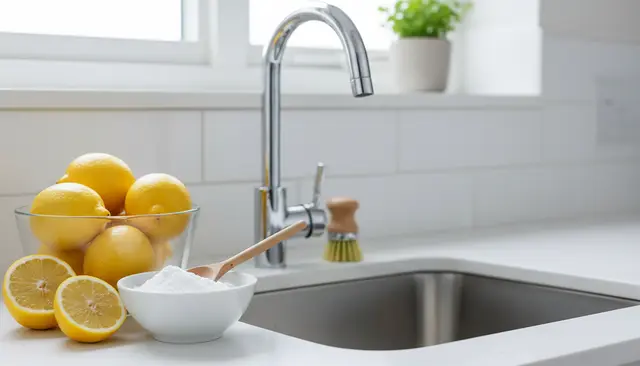
Keeping your home's drains clear and fresh is essential for a healthy and hygienic living environment. While harsh chemical drain cleaners are readily available, they can be damaging to your plumbing, the environment, and potentially your health. Fortunately, there are many effective, natural ways to keep drains clear and odour-free using common household items. This guide will walk you through safe, eco-friendly methods to maintain your drains.
Why Choose Natural Drain Care?
Opting for natural drain cleaning methods offers several benefits:
- Safer for your pipes: Harsh chemicals can corrode pipes over time, leading to leaks and costly repairs. Natural solutions are much gentler.
- Better for the environment: Chemical cleaners often contain toxic ingredients that can contaminate water systems. Natural alternatives are biodegradable and less impactful.
- Healthier for your home: Avoid inhaling strong, unpleasant fumes and reduce exposure to hazardous substances.
- Cost-effective: Many natural solutions use ingredients you likely already have in your cupboard, saving you money on specialist products.
Common Culprits: What Clogs and Causes Odours?
Understanding what typically causes drain issues can help you prevent them:
- Hair: Particularly in bathroom sinks and showers, hair is a major contributor to blockages.
- Grease and Fat: Poured down kitchen sinks, these congeal and stick to pipe walls, trapping other debris.
- Food Scraps: Even small particles can accumulate and cause problems, especially in kitchen sinks without a good strainer.
- Soap Scum: A combination of soap, minerals in hard water, and body oils can build up.
- Coffee Grounds: These don't dissolve and can clump together, forming stubborn blockages.
Everyday Habits to Keep Drains Clear
Prevention is always better than cure. Incorporating these simple habits can significantly reduce drain issues:
- Use Drain Strainers: Place strainers over all your plug holes to catch hair, food particles, and soap scum before they enter the drain. Empty them regularly.
- Scrape Plates: Before washing, scrape all food waste into the bin, not down the sink.
- Avoid Pouring Grease: Let cooking fats and oils cool and solidify, then scrape them into your general waste bin.
- Regular Hot Water Flush: Once a week, pour a kettle of boiling water (or very hot tap water) down your kitchen and bathroom drains. This can help melt minor grease build-ups and flush away debris.
- Run Taps Regularly: If a sink or shower isn't used often, run the tap for a minute or two to keep water flowing and prevent stagnant water issues.
Natural Drain Cleaning Methods & DIY Guide
Method 1: The Baking Soda and Vinegar Power Duo
This classic combination is excellent for breaking down grease, soap scum, and minor blockages, as well as neutralising odours.
Tools Needed:- Measuring cup
- Kettle (for hot water)
- Baking soda (bicarbonate of soda)
- White vinegar
- Old cloth or drain stopper
- Do not use this method immediately after using a commercial chemical drain cleaner, as mixing chemicals can produce dangerous fumes.
- Ensure good ventilation.
- Avoid splashing the mixture into your eyes.
- Clear the Drain: Remove any visible hair or debris from the drain opening.
- Pour Boiling Water: Carefully pour a kettle of boiling water down the drain. This helps to loosen any build-up and warm the pipes.
- Add Baking Soda: Measure out half a cup of baking soda and pour it directly down the drain. Let it sit for 5-10 minutes.
- Add Vinegar: Follow the baking soda with one cup of white vinegar. You'll hear a fizzing sound – this is the chemical reaction working to break down the grime.
- Cover the Drain: Immediately cover the drain with an old cloth or stopper to keep the reaction working within the pipe. Let it sit for 30 minutes to an hour, or even overnight for stubborn issues.
- Flush with Hot Water: After the waiting period, flush the drain thoroughly with another kettle of boiling water to rinse away the loosened debris.
Method 2: Boiling Water Flush
For very minor clogs or as a weekly preventative measure, simply using boiling water can be effective.
- Method: Carefully pour a full kettle of boiling water directly down the drain. Repeat a few times if necessary.
- Best for: Melting minor grease blockages and flushing away loose debris.
- Caution: Avoid using boiling water on drains connected to PVC pipes if they are old or damaged, as extreme heat can sometimes soften or warp them.
Method 3: Salt and Hot Water Scrub
This method offers an abrasive action to help dislodge stubborn build-ups.
- Method: Pour half a cup of coarse salt (e.g., Epsom salt or rock salt) down the drain, followed by a kettle of very hot water. Let it sit for 10-15 minutes, then flush thoroughly with more hot water.
- Best for: Kitchen drains where greasy residue might be sticking to pipe walls.
Method 4: Lemon and Citrus Peels for Freshness
While not a cleaning agent for clogs, citrus peels are excellent for deodorising a smelly kitchen sink, especially if you have a waste disposal unit.
- Method: Cut up a few lemon, lime, or orange peels and place them in your waste disposal unit (if you have one) with cold water running. Turn on the disposal for 30 seconds. If you don't have a disposal, simply pour hot water with a few drops of lemon essential oil down the drain.
- Best for: Eliminating lingering food odours.
Essential Tools for Minor Blockages
Sometimes, a natural cleaner needs a little help from a physical tool:
- Plunger: A trusty plunger can create suction to dislodge many blockages. Ensure you have a good seal around the drain for maximum effect.
- Drain Snake/Auger: For blockages further down the pipe, a manual drain snake (a long, flexible piece of metal with a small auger at the end) can be fed into the drain to hook or break up the obstruction. These are available at most hardware stores for around £10-£30.
When to Call a Professional Plumber
While natural methods are fantastic for prevention and minor issues, some problems require expert intervention. You should call a professional plumber if:
- The blockage is severe and persistent: If water is not draining at all, or if natural methods and plunging have no effect.
- Multiple drains are affected: This often indicates a deeper issue in your main waste pipe, which is beyond DIY solutions.
- Foul odours persist: If a persistent, strong sewage smell remains even after cleaning, it could signal a broken pipe or ventilation issue.
- Water is backing up: This is a clear sign of a significant blockage that needs immediate attention.
- You suspect a broken pipe: Any signs of dampness, mould, or water damage near drains could mean a leak.
Attempting to fix a major blockage without the right tools or expertise can worsen the problem and lead to more expensive repairs. A qualified plumber has specialist equipment like CCTV drain cameras and high-pressure jetting tools to diagnose and clear even the most stubborn blockages safely and effectively.
Find a Qualified Plumber Fast
If you're facing a stubborn blockage or a plumbing emergency, don't hesitate to seek professional help. FixDelivered connects you with emergency plumbers near you quickly and efficiently. You can easily tell us your emergency, and we'll help you find a local, qualified professional. Typically, plumbers charge a call-out fee, which can range from £75 to £150, plus labour costs, depending on the complexity and time required for the job. Our process ensures the plumber's callout fee is agreed upfront and paid directly to them, providing transparency.
Maintaining clear and odour-free drains doesn't have to involve harsh chemicals. By adopting simple preventative habits and utilising natural cleaning methods, you can keep your plumbing in good working order. For more tips on home plumbing maintenance, explore our plumbing emergency guides, or to understand how FixDelivered works, visit our guide.
Frequently asked questions
How often should I clean my drains naturally?
For preventative maintenance, a weekly flush with boiling water, or a monthly baking soda and vinegar treatment, is typically sufficient for most household drains. High-use drains, like kitchen sinks, might benefit from more frequent attention.
Can natural methods damage pipes?
No, natural methods like baking soda, vinegar, and salt are generally safe for all types of plumbing pipes. Unlike harsh chemical cleaners, they do not corrode or damage pipe materials. However, avoid pouring boiling water down old or damaged PVC pipes as it can sometimes soften them.
What if baking soda and vinegar don't work?
If the baking soda and vinegar method doesn't clear the blockage after a couple of attempts, the clog might be too severe or located deeper in the pipe. At this point, try using a plunger or a drain snake. If these also fail, it's best to call a professional plumber to avoid causing further damage.
Are commercial "natural" drain cleaners safe?
Some commercial 'natural' or 'enzyme-based' drain cleaners are safer than caustic chemical options, as they use biological enzymes to break down organic matter. Always read the product label carefully to understand the ingredients and ensure they are suitable for your specific plumbing system and septic tanks, if applicable.
Need a plumber now? Tell us your emergency and FixDelivered will find and confirm an available local plumber near you, usually within the hour.
Written by the FixDelivered Team. Reviewed by Rupert Lowe, Editor. Last updated 2026-09-20.