Advice & guides › Prevention & Maintenance
Spot Early Warning Signs of a Water Leak in Your Home
By The FixDelivered Team · Updated 2026-09-29 · 6 min read
Water leaks, even small ones, can lead to significant damage and costly repairs if left undetected. From weakening structural integrity to fostering mould growth, the consequences can be far-reaching. Learning to spot the early warning signs of a water leak is crucial for every homeowner in the UK. This guide will help you identify the subtle indicators that your home might be harbouring a hidden leak, allowing you to act quickly and prevent a minor issue from becoming a major headache.
The Hidden Threat of Water Leaks
Many leaks begin subtly, often in areas out of sight, such as behind walls, under floors, or within appliance connections. By the time visible damage appears, the leak may have been active for weeks or even months, causing unseen destruction. Early detection is your best defence against expensive repairs, potential health hazards from mould, and wasted water.
Common Early Warning Signs of a Water Leak
1. Unexplained Increase in Your Water Bill
This is often the clearest and earliest indicator of a hidden leak. If your water bill suddenly spikes without a corresponding increase in usage (e.g., no extra guests, no new appliances, no garden watering), it's a strong sign that water is escaping somewhere.
2. Damp Patches, Stains, or Discolouration
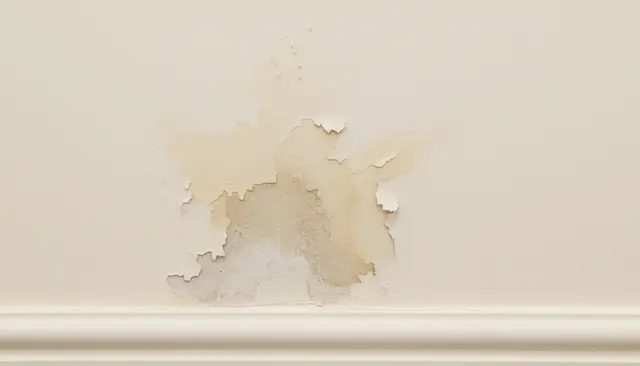
Look for patches of dampness, water stains, or discolouration on walls, ceilings, or floors. These might appear as brown, yellow, or greenish marks. Even if the area feels dry to the touch, a persistent stain suggests a leak that might be intermittent or slow.
3. Musty or Mouldy Odour
A persistent damp or earthy smell, even without visible water, can indicate hidden mould or mildew growth caused by a leak. This odour is often strongest in confined spaces like cupboards, under sinks, or in basements.
4. Peeling Paint or Wallpaper
Excess moisture from a leak can cause paint to bubble, peel, or flake, and wallpaper to lift or blister. This is particularly noticeable around skirting boards, window frames, or in bathrooms and kitchens.
5. Warped Floors or Distorted Walls
Wooden floorboards or laminate flooring can warp, buckle, or feel spongy underfoot when exposed to prolonged moisture. Similarly, plasterboard walls might begin to bulge or soften, and skirting boards can distort.
6. Sounds of Dripping or Running Water
If you hear the sound of dripping or running water when no taps are open, toilets aren't flushing, and no appliances are in use, it's a clear sign of a leak. Listen carefully, especially at night when your home is quiet.
7. Low Water Pressure
While low water pressure can have several causes, a sudden or localised drop in pressure (e.g., only in one part of the house) can indicate a leak in the supply pipework leading to that area.
8. Visible Mould or Mildew Growth
Beyond typical bathroom condensation, persistent mould or mildew growth in unusual places, or areas that are typically dry, points to a constant moisture source, likely a leak.
9. Hot Spots on Floors
If you have underfloor heating or hot water pipes running beneath your floor, a leak in a hot water pipe can create noticeable warm spots on the floor surface.
DIY Leak Detection Checks You Can Do
Before calling a professional, there are a few simple checks you can perform to help pinpoint a potential leak.
- Perform a Water Meter Test:Locate your home's water meter (usually near the stopcock, often outside). Ensure no water is being used inside or outside your home. Take a meter reading, then wait 30-60 minutes. Take a second reading. If the numbers have changed, you likely have a leak somewhere in your system.
- Check Exposed Pipework:Visually inspect all easily accessible pipes under sinks, behind toilets, in utility rooms, and in your loft or basement. Look for drips, moisture, or corrosion.
- Conduct a Toilet Dye Test:Add a few drops of food colouring or a toilet dye tablet to your toilet cistern (the tank at the back). Do not flush. Wait 15-30 minutes. If the colour appears in the toilet bowl, you have a leak from the cistern into the bowl.
- Inspect Appliances and Connections:Check the water supply lines and drain hoses for your washing machine, dishwasher, fridge (if it has a water dispenser), and hot water cylinder. Look for any signs of dampness or drips around the connections.
When to Call a Professional
If your DIY checks confirm a leak but you can't locate the source, or if the leak appears significant, is causing visible damage, or involves complex pipework, it's time to call in a qualified plumber. Attempting to fix a complex leak yourself can often lead to further damage and higher costs in the long run. For anything involving gas lines or boilers, you must only ever contact Gas Safe registered plumbers.
A professional plumber has the tools and expertise to accurately locate and repair leaks, even those hidden behind walls or under floors. They can use specialist equipment like thermal imaging cameras or acoustic leak detectors to find the precise source without unnecessary disruption to your home. If you suspect a leak, you can quickly get a plumber now through FixDelivered.
Cost of Water Leak Repair (Rough 2026 UK Guide)
The cost of repairing a water leak in the UK can vary significantly depending on its location, severity, and accessibility. As a rough guide:
- Minor, accessible leak (e.g., tap washer, exposed pipe joint): Typically £80 - £200.
- Hidden leak requiring minor access (e.g., behind a wall, under floorboards): Expect costs between £250 - £600+, depending on the complexity of access and repair.
- Major burst pipe or external leak: This can range from £500 to £1500+ for the plumbing work alone, not including the cost of restoring damaged property (e.g., plastering, redecorating, new flooring).
Always clarify the plumber's callout fee and hourly rates upfront. Typically, your home insurance may cover the damage caused by a sudden, unforeseen leak, but often not the cost of locating and repairing the leak itself, and an excess will usually apply.
Preventative Measures
Regularly inspecting visible pipes, being mindful of appliance connections, and addressing small issues like dripping taps promptly can help prevent larger leaks. Consider investing in smart leak detection systems for added peace of mind, especially in vulnerable areas like utility rooms or basements.
Don't Ignore the Signs
Ignoring the early warning signs of a water leak can turn a manageable issue into a costly disaster. By being vigilant and acting quickly, you can save yourself significant stress, expense, and potential damage to your home. If you've spotted any of these signs and suspect a leak, don't delay. For professional and reliable help, FixDelivered can connect you with emergency plumbers near you, and you can learn more about how FixDelivered works on our website.
Frequently asked questions
What is the most common early sign of a hidden water leak?
An unexplained increase in your water bill is often the clearest and earliest indicator of a hidden water leak, even before any visible damage appears.
Can I fix a water leak myself?
Simple leaks like a dripping tap washer or a loose connection on an exposed pipe can often be fixed by a competent DIY enthusiast. However, for hidden leaks, burst pipes, or anything involving gas lines, it's always best to call a qualified plumber, and a Gas Safe registered engineer for gas.
How much does it typically cost to fix a water leak in the UK?
As a rough guide for 2026, a minor, accessible leak might cost £80-£200 to fix. A hidden leak requiring more extensive work could range from £250-£600+, with major burst pipes potentially costing £500-£1500+ for plumbing repairs alone.
Will my home insurance cover water leak repairs?
Typically, home insurance policies in the UK cover the damage caused by a sudden and unforeseen water leak, but often not the cost of locating and repairing the leak itself. An excess will usually apply, and it's always best to check your specific policy details.
Need a plumber now? Tell us your emergency and FixDelivered will find and confirm an available local plumber near you, usually within the hour.
Written by the FixDelivered Team. Reviewed by Rupert Lowe, Editor. Last updated 2026-09-29.