Advice & guides › Prevention & Maintenance
Stop Pipes Freezing: Your UK Winter Plumbing Guide
By The FixDelivered Team · Updated 2026-09-15 · 7 min read
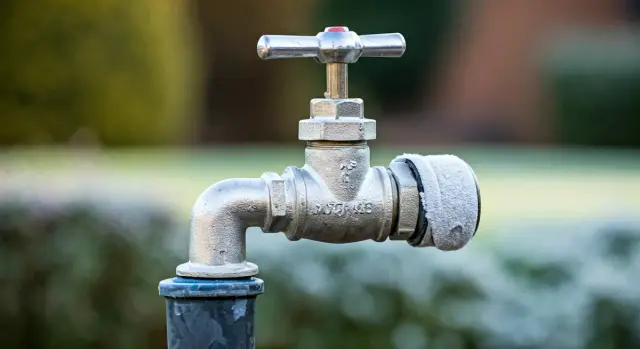
As winter approaches and temperatures plummet across the UK, the risk of frozen and burst pipes becomes a real concern for homeowners. A frozen pipe can lead to significant water damage, costly repairs, and a major headache. Fortunately, with a few proactive steps, you can significantly reduce the chances of your pipes freezing this winter.
Why Pipes Freeze and the Costly Consequences
Water expands when it freezes. If water inside a pipe freezes, this expansion can put immense pressure on the pipe, causing it to split or burst. This damage often isn't evident until the ice thaws and water starts leaking, sometimes causing extensive damage to your property's structure, ceilings, and contents.
The average cost of repairing a burst pipe can vary significantly based on its location and the extent of the damage. As a rough guide for 2026, a simple repair might be in the region of £200-£400, but if it's in an inaccessible location or causes significant water damage, costs can quickly escalate into thousands. Prevention is always better – and cheaper – than cure.
Essential Steps to Prevent Frozen Pipes
Protecting your home from frozen pipes involves a combination of good insulation, smart heating practices, and regular checks. Here are the key actions you should take:
1. Insulate Exposed Pipes (Lagging)
Any pipes in unheated areas – such as lofts, garages, basements, utility rooms, and outside walls – are particularly vulnerable. Insulating these pipes with purpose-made lagging is one of the most effective preventative measures.
DIY Guide: Lagging Your PipesLagging pipes is a straightforward DIY task that most competent adults can manage. You'll typically use foam pipe insulation, which is inexpensive and easy to install.
Tools and Materials Needed:
- Pipe lagging (foam or mineral wool – ensure it's the correct diameter for your pipes)
- Utility knife or strong scissors
- Measuring tape
- Duct tape or specialist lagging ties (if not self-adhesive)
- Gloves (especially if using mineral wool)
Step-by-Step Instructions:
- Identify Vulnerable Pipes: Locate all exposed pipes in unheated areas. Pay particular attention to cold water pipes, but hot water pipes can also freeze if the heating is off for prolonged periods.
- Measure and Cut: Measure the length of the pipe section you want to lag. Cut the insulation to the appropriate length using your utility knife. Most foam lagging comes pre-split along one side.
- Fit the Lagging: Open the split side of the lagging and carefully push it over the pipe. Ensure it fits snugly without gaps. Work your way along the pipe, ensuring all sections are covered.
- Secure the Lagging: If your lagging isn't self-adhesive, or for extra security, wrap duct tape or specialist ties around the lagging at intervals (e.g., every 30-50 cm) and at joints. Ensure the tape is tight enough to hold the lagging in place but not so tight that it compresses the insulation, reducing its effectiveness.
- Insulate Joints and Bends: For elbows and T-junctions, you may need to cut sections of lagging at an angle to create a neat, continuous cover. Ensure all metallic parts of the pipe are covered.
Safety Caution: If you are unsure about identifying pipes or if any pipes are near electrical wiring, proceed with caution. Never attempt to lag gas pipes yourself; this must be done by a Gas Safe registered plumber.
2. Maintain Heating
- Set Your Thermostat: Even if you're out or away, leave your heating on low (around 12-14°C). This minimal heat can be enough to prevent pipes from freezing, especially during cold snaps.
- Use Your Boiler's Frost Protection: Many modern boilers have a 'frost protection' setting that automatically activates the heating if the temperature drops below a certain point. Consult your boiler manual. Regular boiler servicing by a Gas Safe registered plumber ensures it's running efficiently and safely.
- Open Loft Hatch and Cupboard Doors: On very cold nights, opening your loft hatch slightly can allow warmer air to circulate around pipes in the loft. Similarly, open kitchen and bathroom cupboard doors under sinks to expose pipes to the warmth of the room.
3. Deal with Outside Taps and Hoses
Disconnect and drain any garden hoses before winter. If you have an outdoor tap, turn off its internal stopcock (if it has one) and open the tap to drain any residual water. Leaving an outdoor tap dripping slightly in extremely cold weather can prevent water from freezing solid within the pipe, but this should be a last resort and used sparingly due to water waste.
4. Know Your Stopcock Location
Ensure you know where your main internal stopcock is and that it's easily accessible and in good working order. In the event of a burst pipe, turning off the main water supply immediately can minimise damage. You can find more helpful advice in our plumbing emergency guides.
5. Prepare for Going Away
If you're going away during winter, especially for an extended period:
- Leave Heating On: As mentioned, set your thermostat to a minimum of 12°C.
- Ask a Friend to Check: Have someone regularly check your property, especially after a period of very cold weather.
- Turn Off Water and Drain System (Long Absences): For very long absences (weeks or months), you might consider turning off your main stopcock and draining your plumbing system. This is a more complex task and might be best handled by a professional plumber.
What to Do if You Suspect a Frozen Pipe
If you turn on a tap and no water comes out, or only a trickle, you likely have a frozen pipe. The key is to act quickly but calmly:
- Turn Off the Main Stopcock: Immediately turn off your main water supply to prevent flooding if the pipe thaws and bursts.
- Locate the Frozen Section: Look for visible pipes in unheated areas. You might see frost or a slight bulge.
- DO NOT Use Open Flames: Never use a blowtorch or any open flame to thaw a pipe, as this is extremely dangerous and can cause further damage or fire.
- Gentle Thawing (If Safe): If the frozen section is easily accessible and not near electrical wiring, you can try to thaw it gently using a hairdryer on a low setting, hot water bottles, or towels soaked in hot water. Start thawing from the tap end of the pipe and work backwards.
- Call a Professional: If you cannot locate the frozen pipe, it's inaccessible, or you're unsure how to proceed safely, it's always best to call a qualified plumber.
When to Call a Professional
While many preventative measures are DIY-friendly, there are times when professional help is essential:
- Complex Pipe Systems: If your pipework is extensive, difficult to access (e.g., under floors, behind walls), or involves gas lines.
- Gas Pipes: Never attempt to work on gas pipes yourself. Always engage a Gas Safe registered plumber for any work involving gas.
- Persistent Freezing: If you're regularly experiencing frozen pipes despite your best efforts, a plumber can assess your insulation, pipe routing, and heating system for underlying issues.
- Burst Pipe: If a pipe has already burst, turn off your water supply immediately and call an emergency plumber near you. Trying to fix a burst pipe without the right tools and expertise can lead to further damage.
- Unsure or Uncomfortable: If you're ever unsure about how to safely lag pipes, locate your stopcock, or deal with a suspected frozen pipe, a professional can provide peace of mind.
FixDelivered connects you with qualified local plumbers who can help with everything from preventative measures to emergency repairs. If you need a professional quickly, you can tell us your emergency and get a plumber fast. Our service makes finding a reliable tradesperson straightforward, and you can learn more about how FixDelivered works on our website.
By taking these preventative steps, you can help ensure a warm and flood-free home throughout the UK winter. Don't wait for the cold snap; prepare your plumbing now!
Frequently asked questions
How cold does it have to be for pipes to freeze in the UK?
Pipes typically start freezing when the ambient temperature drops to 0°C (32°F) or below. However, factors like wind chill, pipe exposure, and water flow can mean pipes can freeze even when the air temperature is slightly above freezing, especially in unheated areas like lofts or garages.
Should I turn off my water if I go away in winter?
For short absences (a few days), it's usually sufficient to leave your heating on a low setting (e.g., 12-14°C). For longer absences (weeks or months), turning off your main stopcock and draining your plumbing system is a safer option to prevent burst pipes. If you're unsure how to do this, a professional plumber can assist.
Can I use boiling water to thaw a frozen pipe?
No, you should never use boiling water directly on a frozen pipe. The sudden temperature change can cause the pipe to crack or burst. Use gentle heat sources like a hairdryer on a low setting, hot water bottles, or towels soaked in warm (not boiling) water.
Need a plumber now? Tell us your emergency and FixDelivered will find and confirm an available local plumber near you, usually within the hour.
Written by the FixDelivered Team. Reviewed by Rupert Lowe, Editor. Last updated 2026-09-15.