Advice & guides › Prevention & Maintenance
Stop Limescale Damage: Protect Your UK Plumbing
By The FixDelivered Team · Updated 2026-09-23 · 6 min read
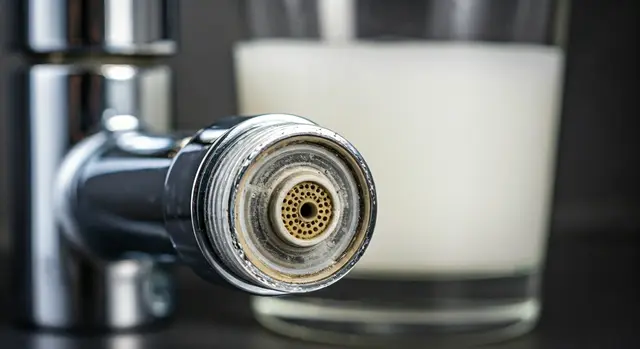
In many parts of the UK, hard water is a fact of life. While generally safe to drink, the high mineral content – primarily calcium and magnesium – can lead to a stubborn problem known as limescale. This chalky deposit doesn't just look unsightly; it can significantly damage your plumbing system, reduce efficiency, and shorten the lifespan of expensive appliances. Understanding how limescale affects your home and what steps you can take to prevent and remove it is crucial for any homeowner.
What is Limescale and Why is it a Problem?
Limescale forms when hard water is heated or left to evaporate, causing dissolved minerals to precipitate out and cling to surfaces. You've probably seen it as white crust around taps, inside kettles, or on showerheads. But the real damage happens out of sight.
- Reduced Water Flow and Pressure: Limescale builds up inside pipes, narrowing the channels and restricting water flow. This can lead to noticeably weaker water pressure at your taps and showers.
- Inefficient Heating Systems: Boilers and immersion heaters are particularly vulnerable. Limescale acts as an insulator, coating heating elements and heat exchangers. This forces your system to work harder and use more energy to heat water, leading to higher utility bills and increased wear and tear.
- Damage to Appliances: Washing machines, dishwashers, and kettles are also affected. Limescale can clog internal components, reduce their effectiveness, and ultimately cause them to break down prematurely.
- Aesthetic Issues: Beyond the functional problems, limescale leaves unsightly stains and deposits on chrome fixtures, glass shower screens, and ceramic surfaces, making bathrooms and kitchens look neglected.
Identifying Hard Water in Your Home
The most obvious signs of hard water are the visible limescale deposits. If you regularly see white, chalky build-up around your taps, showerhead nozzles, or inside your kettle, you almost certainly have hard water. Other indicators include:
- Soap and shampoo not lathering well.
- Dull, streaky dishes even after washing.
- Dry skin or hair after showering.
The UK has varying degrees of water hardness, with much of the south, east, and Midlands experiencing very hard water. You can usually check your local water hardness by visiting your water provider's website.
Preventing Limescale Build-up
Prevention is always better than cure when it comes to limescale. Here are some effective strategies:
1. Consider a Water Softener
For homes in very hard water areas, a water softener is the most comprehensive solution. These systems remove the minerals responsible for hardness before the water enters your plumbing system.
- Salt-Based Water Softeners: These are the most effective type, typically installed at your mains water inlet. They use an ion-exchange process, replacing calcium and magnesium ions with sodium ions. Expect to pay between £500 and £1,500 for the unit itself, plus £200-£400 for professional installation. You'll also need to budget for salt refills, typically £50-£100 per year.
- Salt-Free Water Conditioners (Descalers): These don't technically remove minerals but alter their structure, making them less likely to stick to surfaces. While not as effective as salt-based softeners, they can offer some protection and require less maintenance. Prices usually range from £100-£300.
Installing a water softener is a significant plumbing job that requires professional expertise. You can find a local plumber through FixDelivered to discuss your options and get a professional installation quote.
2. Magnetic or Electronic Descalers
These devices attach to your mains water pipe and claim to alter the mineral crystals using magnetic or electronic fields, preventing them from forming hard scale. Their effectiveness is debated among experts, but some homeowners report positive results. They are generally less expensive than traditional softeners, typically £50-£200, and are easier to install yourself.
3. Regular Cleaning and Maintenance
For visible areas, regular cleaning is key:
- Showerheads: Unscrew and soak in a descaling solution (see DIY methods below) regularly.
- Taps: Clean aerators (the mesh at the end of the tap) by unscrewing them and soaking.
- Kettles: Descale monthly with a dedicated kettle descaler or a natural solution.
- Washing Machines/Dishwashers: Run a hot cycle with a specialist descaling product or a cup of white vinegar every few months, following the appliance manufacturer's instructions.
DIY Limescale Removal for Accessible Areas
For minor build-ups on visible fixtures, you can often tackle the problem yourself with common household items.
Method: White Vinegar or Lemon Juice Soak
Tools Needed:
- White vinegar or lemon juice
- Cloth or small towel
- Plastic bag (for showerheads/taps)
- Old toothbrush or small brush
- Gloves
Step-by-Step Instructions:
- Safety First: Ensure adequate ventilation. Wear gloves to protect your hands, especially if you have sensitive skin.
- Prepare the Solution: For light build-up, use neat white vinegar or lemon juice. For tougher scale, you can slightly warm the vinegar (do not boil).
- For Showerheads: Fill a sturdy plastic bag with enough vinegar or lemon juice to submerge the showerhead nozzle. Secure the bag around the showerhead with a rubber band or string, ensuring the affected parts are fully immersed. Leave to soak for a few hours or, ideally, overnight.
- For Taps: Soak a cloth or small towel in the vinegar/lemon juice and wrap it tightly around the affected tap spout. You can also unscrew tap aerators and soak them in a bowl of the solution. Leave for several hours.
- Scrub and Rinse: After soaking, remove the bag/cloth. Use an old toothbrush or a small brush to gently scrub away any remaining softened limescale. Rinse thoroughly with clean water.
- Repeat if Necessary: For very heavy build-up, you may need to repeat the process.
Safety Cautions:
- Avoid using vinegar or lemon juice on gold-plated or natural stone surfaces, as the acidity can cause damage. Always test on an inconspicuous area first.
- Never mix vinegar with bleach, as this can create dangerous chlorine gas.
When to Call a Professional
While DIY methods are great for surface limescale, some problems require a qualified plumber:
- Blocked Pipes: If you suspect limescale has significantly blocked internal pipes, leading to severe pressure drops or drainage issues, a professional will have the tools to clear them safely.
- Boiler or Water Heater Issues: If your boiler or immersion heater is making strange noises, struggling to heat water, or frequently breaking down, it's highly likely to be suffering from internal limescale. For any issues concerning your boiler or gas appliances, you must ONLY contact a Gas Safe registered plumber or engineer. Attempting to work on these yourself is extremely dangerous and illegal.
- Persistent Low Water Pressure: If DIY cleaning of tap aerators and showerheads doesn't resolve low pressure, the issue might be deeper within your plumbing system.
- Water Softener Installation: As mentioned, installing a whole-house water softener is a job for a professional.
If you're facing a complex limescale problem or need assistance with installations, FixDelivered can help you quickly find emergency plumbers near you who are qualified to tackle these issues.
Conclusion
Limescale is an unavoidable nuisance in many UK homes, but with the right knowledge and proactive measures, you can significantly mitigate its impact. Regular cleaning, considering water softening solutions, and knowing when to call in a professional will help protect your plumbing system, keep your appliances running efficiently, and save you money in the long run. Don't let limescale build up into a costly problem – take action today.
For any plumbing concerns, big or small, FixDelivered connects you with qualified local plumbers quickly. Simply tell us your emergency and we'll help you find the right professional for the job.
Frequently asked questions
What is hard water and how does it cause limescale?
Hard water contains high levels of dissolved minerals, primarily calcium and magnesium. When this water is heated (e.g., in a boiler, kettle, or shower) or evaporates, these minerals precipitate out and form a hard, chalky deposit known as limescale.
How can I tell if I have hard water in my home?
Common signs include visible white, chalky deposits around taps, showerheads, and inside kettles. You might also notice soap not lathering well, dull or streaky dishes, and dry skin or hair after washing.
Are water softeners worth the investment?
In areas with very hard water, a salt-based water softener can be a worthwhile investment. They effectively remove minerals, preventing limescale build-up throughout your entire plumbing system, which can extend the life of appliances, improve heating efficiency, and reduce cleaning efforts. However, they require initial cost and ongoing salt refills.
Can I remove limescale from my boiler myself?
No. You should absolutely never attempt to remove limescale from inside your boiler or any gas appliance yourself. This is a highly specialised and dangerous job that must only be performed by a <a href="/gas-safe-plumbers">Gas Safe registered plumber</a> or engineer to ensure safety and compliance.
How often should I descale my kettle or washing machine?
For kettles, monthly descaling is a good habit in hard water areas. For washing machines and dishwashers, running a descaling cycle every 2-3 months is typically sufficient, but always follow your appliance manufacturer's recommendations.
Need a plumber now? Tell us your emergency and FixDelivered will find and confirm an available local plumber near you, usually within the hour.
Written by the FixDelivered Team. Reviewed by Rupert Lowe, Editor. Last updated 2026-09-23.