Advice & guides › Prevention & Maintenance
Protecting Unoccupied Property Plumbing from Winter
By The FixDelivered Team · Updated 2026-09-15 · 6 min read
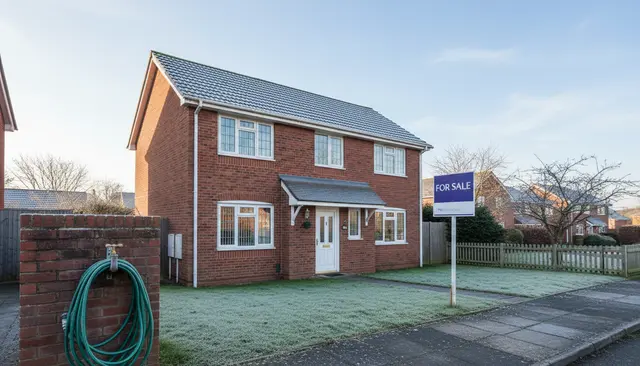
Leaving a property unoccupied, whether for an extended holiday, a house sale, or during a renovation, can leave its plumbing vulnerable to significant damage, particularly from burst pipes in winter. Understanding how to properly prepare and maintain the water system in an empty house is crucial to avoid costly repairs and insurance headaches. This guide will walk you through the essential steps to protect your unoccupied property's plumbing.
Why Empty Properties Are at Risk
Unoccupied properties lack the regular water flow and consistent heating that help prevent issues. The primary risks include:
- Burst Pipes: Freezing temperatures can cause water in pipes to expand, leading to bursts. This is the most common and damaging issue.
- Leaks: Small leaks can go unnoticed for weeks or months, causing extensive water damage, rot, and mould.
- Pest Infestation: Unused drains and pipes can become entry points or breeding grounds for pests if not properly sealed or maintained.
- Corrosion: Stagnant water can accelerate corrosion in certain pipe materials.
Essential Steps Before Leaving Your Property Empty
Before you leave your property unoccupied for an extended period, follow these critical steps:
1. Turn Off the Main Water Supply
Locate your main stopcock (usually under the kitchen sink, in the utility room, or near the main water meter outside). Turn it off clockwise until it's fully closed. This will prevent any new water from entering your system should a leak occur.
2. Drain Down Your Plumbing System
Draining the system removes water from the pipes, significantly reducing the risk of freezing and bursting. This is especially vital if the property will be unheated or left in very cold conditions.
3. Consider Heating and Insulation
Even if you drain the system, residual water can remain. Maintaining a low background heat or ensuring adequate insulation is important.
4. Inform Your Insurance Provider
Many home insurance policies have clauses regarding unoccupied properties. Failure to inform them could invalidate your cover in the event of a claim. Understand their requirements, which often include regular property checks.
How to Drain Down Your Plumbing System (DIY Guide)
Draining your system is a key preventative measure. For most properties, this can be done by a competent DIYer. However, if you have a complex system, a combi boiler, or are unsure, always consider professional help. For gas appliances, such as boilers, always remember that Gas Safe registered plumbers are the only qualified professionals to work on them.
Tools Needed:
- Adjustable spanner or pipe wrench
- Buckets or old towels
- Screwdriver (for stopcock or drain valves)
Step-by-Step Instructions:
- Turn off the main stopcock: As mentioned, close the main stopcock to stop the water supply to the house.
- Turn off your boiler/water heater: Switch off your boiler or water heater at the mains. For a combi boiler, consult its manual or a Gas Safe engineer for advice on draining, as this is often more complex.
- Open all taps: Starting with the highest taps in the house (e.g., upstairs bathroom), open both hot and cold taps fully. Work your way down to the lowest taps (e.g., ground floor kitchen). This allows air to enter the system and water to drain out.
- Flush all toilets: Flush each toilet until the cistern no longer refills.
- Drain header tanks (if applicable): If you have a conventional system with a cold water storage tank in the loft, you may need to drain this. If the main stopcock is off, the tank should stop refilling. You can often drain the tank by opening a drain valve at the bottom or siphoning the water out.
- Drain hot water cylinder (if applicable): If you have a hot water cylinder, locate its drain cock (usually near the bottom). Connect a hosepipe to it and run the hose outside or into a large drain to empty the cylinder.
- Drain central heating system (optional, professional recommended): Draining the central heating system is more involved and often requires a professional, especially with modern sealed systems. If you opt for this, ensure your boiler is switched off and consult a professional.
- Leave taps open: Leave all taps open to allow for air circulation and any remaining drips to escape.
- Consider adding non-toxic anti-freeze: For toilet cisterns and U-bends in sinks/baths, pour a small amount of non-toxic plumbing anti-freeze into the water to prevent freezing.
Safety Cautions:
- Always ensure electrical appliances connected to the water system (like boilers) are switched off before draining.
- Be aware of hot water if draining a hot water cylinder.
- If in doubt, especially with complex systems or gas appliances, always call a professional.
When to Call a Professional:
You should call a professional plumber if:
- You have a combi boiler and are unsure how to safely drain it.
- Your property has a complex plumbing system.
- You cannot locate your main stopcock or drain valves.
- You are uncomfortable performing any of these steps yourself.
- You need assistance with draining your central heating system.
FixDelivered can help you find a local plumber quickly to assist with winterising your property.
Heating and Insulation Considerations
Even with a drained system, some residual water might remain. Consider these:
- Thermostat Settings: If you're not fully draining the system, set your thermostat to a minimum 'frost protection' temperature, typically 10-12°C. This will ensure the heating kicks in if temperatures drop too low, preventing pipes from freezing.
- Pipe Lagging: Ensure all exposed pipes, especially in lofts, basements, and outside walls, are properly insulated with foam lagging.
- Loft Insulation: Good loft insulation helps keep the house warmer overall, protecting pipes in the ceiling void.
Regular Checks on Your Unoccupied Property
Even after preparing your plumbing, regular checks are vital. Ideally, a trusted person should visit the property at least once a week (or as per your insurance policy) to:
- Visual Inspection: Look for any signs of damp, leaks, mould, or burst pipes. Check under sinks, around toilets, and near appliances.
- Smell: Note any musty odours that could indicate damp or mould.
- Heating Check: If left on, ensure the heating system is functioning as expected.
- Security: Ensure windows and doors are secure.
Insurance Implications
As a rough guide, most standard home insurance policies will have an 'unoccupancy clause' that specifies how long a property can be empty before cover is reduced or invalidated. This period is typically 30-60 days. If your property will be empty for longer, you'll usually need to inform your insurer and may need specialist unoccupied property insurance. Failure to do so could mean that any damage, including from burst pipes, is not covered.
Getting Professional Help
If you're unsure about any of these steps, or if your property will be empty for a long time, it's often best to engage a professional plumber to winterise your system. They can provide peace of mind and ensure everything is done correctly. If you need an emergency plumbers near you, FixDelivered can connect you with qualified local professionals quickly. Our how FixDelivered works page explains the simple process of finding help when you need it most.
Protecting your unoccupied property's plumbing is an investment that can save you significant stress and expense. By following these guidelines, you can minimise the risks and keep your property safe and sound.
Frequently asked questions
How long can I leave a property empty without draining the pipes?
It's highly recommended to drain pipes if a property will be unheated during cold periods, regardless of duration. For heated properties, setting the thermostat to a minimum of 10-12°C might suffice for shorter periods (a few weeks), but for longer or uncertain durations, draining is the safest option. Always check your insurance policy for their specific requirements regarding unoccupied properties.
Do I need to turn off the water for a short holiday?
For a typical short holiday (e.g., a week or two) where the heating is left on at a low temperature, turning off the main stopcock is a good preventative measure against unexpected leaks, but draining the entire system is usually not necessary. If temperatures are forecast to be freezing, consider turning off the water even for short trips.
What temperature should I set my thermostat to prevent pipes freezing?
If you are leaving your heating on in an unoccupied property, set the thermostat to at least 10-12°C. This provides a good balance between preventing pipes from freezing and not incurring excessive heating costs. Many modern thermostats also have a 'frost protection' setting.
Need a plumber now? Tell us your emergency and FixDelivered will find and confirm an available local plumber near you, usually within the hour.
Written by the FixDelivered Team. Reviewed by Rupert Lowe, Editor. Last updated 2026-09-15.