Advice & guides › Prevention & Maintenance
Septic Tank Care: What NOT to Flush or Pour
By The FixDelivered Team · Updated 2026-09-29 · 6 min read
For many homes in rural areas across the UK, a septic tank is an essential part of the wastewater management system. Unlike properties connected to the main sewer network, septic tank owners are responsible for their system's maintenance and health. Neglecting your septic tank can lead to expensive repairs, unpleasant odours, and even environmental pollution. This guide will walk you through the crucial steps of septic tank care, focusing on what absolutely should not go down your drains, and when to call in a professional.
Understanding Your Septic Tank
A septic tank is an underground watertight container, typically made of concrete, fibreglass, or plastic, that treats wastewater from your home. It works by holding the wastewater long enough for solids and liquids to separate. The solids (sludge) settle to the bottom, and lighter materials (scum) float to the top. Naturally occurring bacteria in the tank break down some of the organic matter. The remaining liquid effluent then flows out into a drain field (also known as a soakaway or infiltration system), where it's further treated by soil before re-entering the groundwater.
The efficiency of this natural process relies heavily on maintaining a healthy bacterial population within the tank and preventing blockages in the system. Everything you put down your drains directly impacts this delicate balance.
The Golden Rules: What NOT to Put Down Your Drains
This is arguably the most critical aspect of septic tank care. What goes down your drains directly affects the bacterial activity and can lead to blockages or system failure.
1. Fats, Oils, and Grease (FOG)
Never pour cooking fats, oils, or grease down your sink. While they may be liquid when hot, they solidify as they cool, forming thick layers of scum in your septic tank and pipes. This can lead to blockages and overwhelm the system's ability to break down waste. Instead, collect FOG in a sealed container and dispose of it with your general waste.
2. Non-Biodegradable Items
Your septic tank is designed to handle human waste and toilet paper. Anything else can cause serious problems:
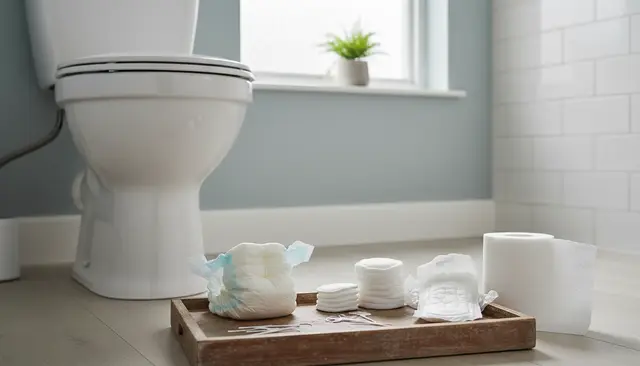
- Wet Wipes (even "flushable" ones): Despite manufacturers' claims, most wet wipes do not break down in water quickly enough and can accumulate, causing severe blockages in pipes and within the tank itself.
- Sanitary Products & Nappies: These items are highly absorbent and designed not to break down. They will quickly clog pipes and fill your tank, requiring premature pumping.
- Cotton Buds & Dental Floss: Small but mighty, these items can tangle together, forming blockages and contributing to scum build-up.
- Paper Towels & Excessive Toilet Paper: While toilet paper is designed to dissolve, excessive amounts or thicker, less degradable brands can accumulate. Paper towels are much thicker and should never be flushed.
3. Harsh Chemicals & Pharmaceuticals
Avoid pouring strong chemicals or disposing of medication down your drains:
- Bleach & Drain Cleaners: These can kill the beneficial bacteria in your septic tank that are vital for breaking down waste. A dead septic tank is a failing septic tank.
- Paints, Solvents, & Thinners: These are toxic to bacteria and can contaminate your drain field, leading to environmental issues.
- Pharmaceuticals: Unused or expired medications can pass through your system and pollute the groundwater. Return unused medicines to your local pharmacy for safe disposal.
4. Excessive Food Waste
While a small amount of food waste from rinsing plates is usually fine, avoid using your sink as a primary food waste disposal method, especially if you have a macerator or waste disposal unit. These units grind food into small particles, but the sheer volume of organic matter can overwhelm your septic tank's capacity, leading to rapid sludge build-up and increased pumping frequency.
5. Other Problematic Substances
- Coffee Grounds: These can accumulate and form sludge.
- Pet Waste: Contains pathogens not meant for septic systems.
- Pesticides & Herbicides: Toxic chemicals that kill beneficial bacteria and contaminate the environment.
- Car Fluids (oil, antifreeze): Highly toxic and illegal to dispose of this way.
Essential Septic Tank Maintenance
Beyond being careful about what goes down the drain, regular maintenance is key to a long-lasting and efficient septic system.
Regular Pumping
The sludge and scum layers in your tank accumulate over time. If they get too thick, they can flow into your drain field, causing irreversible damage. As a rough guide, most septic tanks need to be pumped every 3 to 5 years, though this can vary based on tank size, household size, and water usage. A typical septic tank emptying service in the UK in 2026 might cost anywhere from £250 to £500, depending on location and tank volume.
Annual Inspections
It's advisable to have your septic system inspected annually by a qualified professional. They can check the sludge and scum levels, inspect the tank's structural integrity, and assess the drain field's condition. An inspection typically costs between £100 and £200.
Water Conservation
Reducing your household water usage lessens the load on your septic system. Spreading out laundry loads, taking shorter showers, and fixing leaky taps can make a significant difference. For general plumbing advice, you can always check our plumbing emergency guides.
Use Septic-Safe Products
Look for cleaning products labelled "septic-safe" or "biodegradable." These are formulated to be less harmful to the beneficial bacteria in your tank.
Signs Your Septic Tank Needs Attention
Be vigilant for these warning signs, which indicate a problem with your septic system:
- Slow Drains & Toilets: Water draining slowly or toilets flushing sluggishly can indicate a blockage or a full tank.
- Foul Odours: Unpleasant smells around your drains, toilet, or outside near the septic tank or drain field are a strong indicator of a problem.
- Pooling Water or Lush Grass: Standing water or unusually lush, green patches of grass in your drain field area suggest that effluent is not being properly absorbed into the soil.
- Gurgling Pipes: Sounds of gurgling from your plumbing system can indicate air getting trapped due to blockages or a full tank.
When to Call a Professional
Septic tank issues are complex and often require specialist equipment and expertise. Attempting DIY repairs can cause further damage, be dangerous, and potentially illegal if effluent is released into the environment. You should always call a professional for:
- Routine Pumping and Inspections: As discussed, these are vital preventative measures.
- Suspected Blockages: If you have slow drains or foul odours, a professional can diagnose and clear blockages safely.
- Drain Field Problems: Pooling water or sewage smells in your garden indicate a serious drain field issue that needs immediate attention.
- Tank Damage: Cracks or structural issues with the tank itself require expert repair or replacement.
- Emergency Overflows: If your septic tank is overflowing, this is an emergency that needs a professional immediately. For urgent issues, you can quickly tell us your emergency and we'll connect you with qualified local plumbers.
FixDelivered can connect you with experienced, local professionals who specialise in septic tank services, from routine maintenance to emergency repairs. They understand the nuances of various septic systems and can provide tailored advice and solutions. When you need a reliable expert for any plumbing emergency, you can always get a plumber now through FixDelivered.
By following these guidelines and engaging professionals when needed, you can ensure your septic tank continues to operate efficiently, protecting your home, your finances, and the environment. Ready to ensure your septic system is in expert hands? Learn more about how FixDelivered works and connect with a trusted local professional today.
Frequently asked questions
How often should a septic tank be emptied in the UK?
Typically, a septic tank in the UK should be emptied every 3 to 5 years. However, this can vary based on the tank's size, the number of people in your household, and your water usage habits. Annual inspections can help determine the ideal frequency for your specific system.
What happens if I flush wet wipes down the toilet with a septic tank?
Even if labelled 'flushable,' wet wipes do not break down quickly in a septic tank. They accumulate, forming blockages in your pipes and within the tank itself, which can lead to system backups, overflows, and costly repairs. Always dispose of wet wipes in a bin.
Can I use harsh chemical drain cleaners if I have a septic tank?
No, you should avoid using harsh chemical drain cleaners. These products can kill the beneficial bacteria in your septic tank that are essential for breaking down waste. This can disrupt the tank's natural biological process and lead to system failure. Opt for septic-safe alternatives or call a professional for severe blockages.
What are the signs of a failing septic system?
Key signs include slow drains or toilets, foul odours around your drains or outside near the tank/drain field, pooling water or unusually lush grass in the drain field area, and gurgling sounds from your pipes. If you notice any of these, contact a professional immediately.
Need a plumber now? Tell us your emergency and FixDelivered will find and confirm an available local plumber near you, usually within the hour.
Written by the FixDelivered Team. Reviewed by Rupert Lowe, Editor. Last updated 2026-09-29.