Advice & guides › Prevention & Maintenance
Protect Your Boiler from Limescale in Hard Water Areas
By The FixDelivered Team · Updated 2026-09-24 · 6 min read
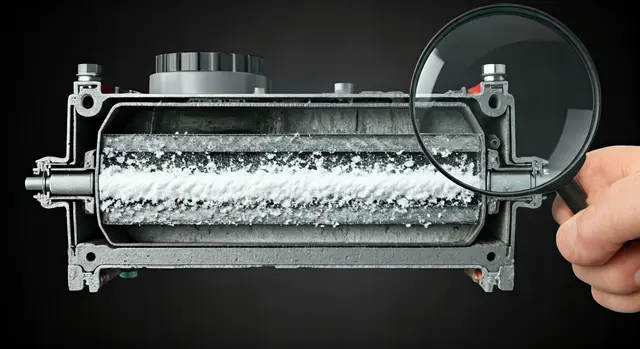
Limescale is the silent enemy of boilers in hard water areas across the UK. This chalky deposit, formed from minerals in your water, can significantly reduce your boiler's efficiency, increase energy bills, and ultimately shorten its lifespan. Understanding how limescale affects your heating system and what steps you can take to prevent it is crucial for any homeowner.
What is Limescale and Why is it a Problem?
Limescale is primarily composed of calcium carbonate, a mineral naturally present in 'hard' water. When hard water is heated, these minerals solidify and cling to hot surfaces, such as the inside of your boiler's heat exchanger and pipework. Over time, this build-up creates a layer of insulation, forcing your boiler to work harder to heat the water.
The consequences of limescale are significant:
- Reduced Efficiency: A 1mm layer of limescale can reduce your boiler's efficiency by up to 12%, meaning higher energy bills for the same amount of heat.
- Increased Wear and Tear: The added strain on components can lead to premature failure of parts like the heat exchanger, pump, and diverter valve.
- Noisy Operation: Limescale build-up can cause 'kettling', a rumbling or banging noise, as water struggles to heat and flow efficiently.
- Reduced Hot Water Flow: Limescale can restrict pipework, leading to lower hot water pressure and reduced flow rates.
- Higher Repair Costs: Replacing limescale-damaged components can be expensive, often costing hundreds of pounds.
Identifying Hard Water in Your Area
Much of the UK, particularly the South East, East Anglia, and parts of the Midlands, experiences hard or very hard water. You can usually tell if you're in a hard water area by:
- Limescale deposits on taps, showerheads, and kettles.
- Soap not lathering easily.
- A film on freshly washed dishes.
Many water utility companies provide water hardness information on their websites, or you can buy a simple test kit.
Signs Your Boiler Has a Limescale Problem
Catching limescale issues early can save you significant costs. Look out for these common symptoms:
- Kettling Noise: A distinct rumbling or banging sound coming from your boiler, similar to a boiling kettle. This is a key indicator.
- Reduced Hot Water Output: Your hot water takes longer to heat up, or you experience lower pressure from hot taps.
- Cold Spots on Radiators: While often a sign of sludge, limescale can also contribute to uneven heat distribution.
- Increased Energy Bills: If your energy consumption rises without a change in usage, limescale could be forcing your boiler to work harder.
- Boiler Lockouts: In severe cases, limescale can cause overheating and lead to your boiler shutting down intermittently.
Effective Limescale Prevention Strategies
Fortunately, there are several proven methods to protect your boiler from limescale.
1. Magnetic or Electrolytic Scale Reducers
These devices are fitted to the main incoming cold water pipe, typically near your boiler. They alter the electrical charge of the hard water minerals, preventing them from sticking together and forming scale. They don't remove the minerals, so your water technically remains 'hard', but the scale-forming properties are neutralised.
- Magnetic Reducers: These use powerful magnets to create a magnetic field. They are relatively inexpensive (typically £30-£100 for the unit) and can often be fitted DIY if you're comfortable with basic plumbing, as they usually clamp onto the pipe.
- Electrolytic Reducers: These use dissimilar metals to create a small electrical charge. They are generally more effective and durable than magnetic types, costing around £80-£150 for the unit. Installation usually requires a professional as they are plumbed directly into the pipework.
When to call a professional: While magnetic clamp-on reducers can be DIY, for electrolytic models or if you're unsure about plumbing, it's best to hire a professional. A plumber can typically install one for £80-£180.
2. Chemical Inhibitors and System Cleaners
For existing heating systems, chemical inhibitors are essential. These are liquids added to your central heating water, which circulate and prevent the build-up of both limescale and sludge (corrosion by-products). They should be topped up or replaced every 5 years, often during a boiler service.
If your system already has significant scale or sludge, a professional powerflush may be necessary. This involves circulating a high-velocity, low-pressure water and chemical mixture through your heating system to dislodge and remove deposits. A powerflush typically costs £350-£700+, depending on the size of your property and the extent of the blockage.
When to call a professional: Adding inhibitors is usually done by a heating engineer during a service. Powerflushing is a specialist job that always requires a qualified professional.
3. Water Softeners (Ion-Exchange)
For the most comprehensive protection, particularly in very hard water areas, a whole-house water softener is the gold standard. These systems use an ion-exchange process to remove the calcium and magnesium minerals from your water, making it truly 'soft'.
Benefits include:
- Complete protection for your boiler and all water-using appliances.
- Softer skin and hair.
- Reduced soap and detergent usage.
- No more limescale on taps, showers, and surfaces.
Water softeners are a significant investment, with units typically costing £400-£1,500+ and professional installation adding another £300-£600+. However, the long-term savings on energy, appliance lifespan, and cleaning products can offset the initial outlay.
When to call a professional: Water softener installation is complex and should always be carried out by a qualified plumber to ensure correct sizing, connection to the mains, and proper drainage.
4. Regular Boiler Servicing
An annual boiler service by a Gas Safe registered plumber is your best defence against limescale and other issues. During a service, the engineer will inspect your boiler for signs of scale, check the inhibitor levels, and recommend appropriate action. They can also identify potential problems before they become costly breakdowns.
An annual service typically costs £80-£150. It's not just about compliance with warranty; it's about preventative maintenance.
The Cost of Ignoring Limescale
Ignoring limescale isn't just about a noisy boiler; it has real financial implications. Higher energy bills can add £50-£150+ to your annual costs. Furthermore, premature boiler component failure can lead to repair bills ranging from £200 for a pump replacement to £600+ for a new heat exchanger. In the worst-case scenario, severe limescale can necessitate a full boiler replacement, an expense of £2,000-£4,000+.
When to Call a Professional
Any work involving the internal components of your boiler, including diagnosing kettling or performing a powerflush, must be carried out by a Gas Safe registered engineer. Attempting DIY repairs on a gas boiler is dangerous and illegal.
You should also consider calling a professional for:
- Installation of electrolytic scale reducers or water softeners.
- Diagnosing persistent boiler noises or efficiency issues.
- Performing a powerflush or adding chemical inhibitors.
- Your annual boiler service.
If you suspect a problem or need a new preventative measure installed, finding a qualified local plumber is easy. Through FixDelivered, you can find a local plumber quickly, agreeing on the callout fee upfront.
Conclusion
Limescale is an unavoidable challenge for many UK homeowners, but it doesn't have to be a death sentence for your boiler. By understanding the risks and implementing appropriate preventative measures – from simple scale reducers to comprehensive water softeners – you can significantly extend your boiler's life, maintain its efficiency, and keep your heating bills in check.
For expert advice, installation, or emergency repairs related to limescale or any other plumbing issue, don't hesitate to get a plumber now through FixDelivered. To understand more about how our service works, visit how FixDelivered works.
Frequently asked questions
What is boiler kettling?
Boiler kettling is a rumbling or banging noise coming from your boiler, similar to a boiling kettle. It's typically caused by limescale build-up on the heat exchanger, which restricts water flow and causes it to overheat and boil within the boiler itself.
Do magnetic scale reducers really work?
Magnetic scale reducers are designed to alter the way limescale minerals behave, preventing them from sticking to surfaces. While they don't remove minerals from the water, many homeowners report a noticeable reduction in scale build-up and improved appliance performance. Their effectiveness can vary depending on water hardness and flow rates.
How often should I have my boiler serviced to prevent limescale?
It is recommended to have your boiler serviced annually by a Gas Safe registered engineer. During a service, the engineer can check for signs of limescale, ensure chemical inhibitor levels are adequate, and advise on any necessary preventative action or cleaning.
Is a water softener worth the investment for my boiler?
In very hard water areas, a whole-house water softener is often considered a worthwhile investment. It provides comprehensive protection against limescale for your boiler and all water-using appliances, leading to increased efficiency, longer appliance lifespan, and savings on energy and cleaning products. The initial cost is higher, but the long-term benefits can be substantial.
Need a plumber now? Tell us your emergency and FixDelivered will find and confirm an available local plumber near you, usually within the hour.
Written by the FixDelivered Team. Reviewed by Rupert Lowe, Editor. Last updated 2026-09-24.