Advice & guides › Prevention & Maintenance
Prevent Toilet Blockages: What NOT to Flush & DIY Fixes
By The FixDelivered Team · Updated 2026-09-29 · 6 min read
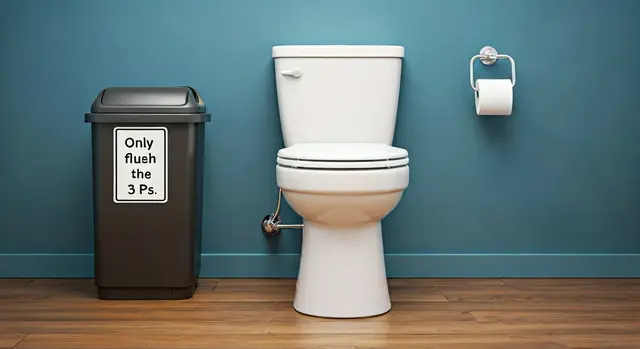
A blocked toilet is never a pleasant experience. It’s messy, inconvenient, and can quickly escalate into a more serious plumbing issue if not addressed promptly. While some blockages are unavoidable, many are entirely preventable with a few simple habits and an understanding of what your toilet can and cannot handle. This guide will help you keep your UK home's plumbing running smoothly in 2026, outlining what absolutely should not be flushed and offering practical DIY steps for minor clogs.
The Golden Rule: Only the 3 Ps
For a healthy toilet and drain system, remember the '3 Ps':
- Pee: Urine
- Poo: Faeces
- Paper: Toilet paper (specifically designed to break down in water)
Anything else risks a blockage. It's that simple.
What NEVER to Flush Down the Toilet
Many items commonly found in bathrooms are mistakenly flushed, leading to significant plumbing problems. These items don't dissolve in water like toilet paper and can snag, clump, and accumulate, forming stubborn blockages deep within your pipes or even further down the sewer system.
Wet Wipes (Even 'Flushable' Ones)
Despite marketing claims, 'flushable' wipes are a major culprit for blockages. They don't break down quickly enough and are responsible for countless 'fatbergs' in UK sewers. Always bin them.
Cotton Products (Balls, Buds, Pads)
Cotton is highly absorbent and expands when wet. Cotton balls, buds, and pads will not disintegrate and can easily snag on pipe imperfections, forming a base for other debris to accumulate.
Sanitary Products (Tampons, Pads)
Designed to be highly absorbent and retain their shape, sanitary towels and tampons expand significantly when wet. They are far too large and resilient to pass through your plumbing system and will inevitably cause a blockage.
Dental Floss
Floss is not biodegradable and can wrap around other debris in the pipes, creating a net that traps more waste and forms a solid blockage. It's surprisingly strong and durable.
Hair
Like dental floss, hair doesn't dissolve and easily clogs pipes by catching on rough edges and combining with other flushed items to form dense, tangled masses.
Nappies
Nappies are designed to absorb vast amounts of liquid and are made of non-biodegradable materials. Flushing even a small one will cause an immediate and severe blockage.
Kitchen Roll & Tissues
While made of paper, kitchen roll and facial tissues are much thicker and more durable than toilet paper. They don't break down easily in water and can quickly lead to clogs.
Medication
Flushing old medicines can contaminate the water supply and harm aquatic life. Return unused medication to a pharmacy for safe disposal.
Fats, Oils, and Grease (FOG)
While typically from the kitchen, FOG can enter the toilet if someone disposes of it there. When cooled, FOG solidifies and clings to pipe walls, creating 'fatbergs' that restrict flow and eventually cause severe blockages.
Bleach and Harsh Chemicals
While they might seem to clean, harsh chemicals like bleach can damage your plumbing system, especially older pipes, and harm beneficial bacteria in septic tanks. They are also highly corrosive and dangerous.
Preventative Measures for a Healthy Toilet
Beyond knowing what not to flush, adopting a few good habits can significantly reduce your risk of blockages:
- Install a Bin: Place a small bin with a lid next to every toilet for non-flushable items. This is the simplest and most effective preventative measure.
- Educate Everyone: Ensure all household members and guests understand the '3 Ps' rule.
- Regular Cleaning: Clean your toilet regularly with a toilet brush and a mild toilet cleaner. This helps prevent limescale and residue build-up that can snag debris.
- Consider a Water-Saving Flush: Modern toilets often have a dual-flush system. Using the appropriate flush for liquid waste can save water, but ensure you use the full flush when needed to adequately clear the bowl.
- Watch Your Water Pressure: If your toilet's flush seems weak, it might not be clearing the trap effectively. This could be due to low water pressure or an issue with the cistern's components.
DIY Fixes for Minor Toilet Blockages
If you have a minor blockage, don't panic. A few simple tools can often clear it without needing a professional.
Tools You'll Need:
- Rubber gloves
- Old towels or newspaper
- Plunger (a heavy-duty cup-style plunger designed for toilets is best)
- Optional: Drain auger/snake (a manual one, specifically for toilets)
Step-by-Step Guide to Unblocking with a Plunger:
- Protect Your Floor: Lay down old towels or newspaper around the base of the toilet to catch any splashes.
- Put on Gloves: This is a hygienic necessity.
- Position the Plunger: Ensure the plunger cup completely covers the drain hole in the toilet bowl, creating a tight seal.
- Plunge Firmly: Push down and pull up the plunger with firm, steady strokes. The aim is to create suction and pressure that dislodges the blockage. Do this 10-15 times.
- Check Progress: Remove the plunger and see if the water drains. If not, repeat the plunging process. You might hear a gurgling sound or see the water level drop, indicating the blockage is moving.
- Flush (Carefully!): If the water level has dropped, try a half-flush. If it drains normally, great! If not, try plunging again. If the bowl starts to fill, stop immediately to prevent overflow.
Safety Cautions:
- Never use chemical drain cleaners in a blocked toilet. They are often ineffective against solid blockages, can damage pipes, and create dangerous fumes. If plunging doesn't work, adding chemicals can make the situation worse and pose a risk to you and any plumber who later attends.
- Avoid excessive force when plunging, as this could damage the toilet's wax seal or pipes.
When to Call a Professional:
While DIY methods are great for minor clogs, there are clear signs you need to call in the experts:
- Stubborn Blockages: If repeated plunging doesn't clear the blockage after several attempts.
- Overflowing Toilet: If the toilet water rises dangerously high or overflows when flushed.
- Multiple Blocked Drains: If other drains in your home (sinks, showers) are also slow or blocked, it suggests a more significant issue further down your main drainage system.
- Foul Odours: Persistent bad smells from drains can indicate a build-up of waste or a sewage problem.
- Gurgling Sounds: Gurgling from other drains when you flush the toilet can point to a shared blockage.
In these situations, a professional plumber has specialist equipment like high-pressure water jetters or advanced drain snakes to tackle deep, stubborn clogs. Attempting to fix complex blockages yourself can often cause more damage and lead to higher repair costs.
For a typical toilet blockage that requires a professional, you can expect call-out fees and labour to range from approximately £75 to £150 for a standard visit in 2026, depending on your location and the plumber's rates. More complex jobs or emergency call-outs outside of normal hours will naturally cost more.
Need a Plumber Fast?
When you're facing a stubborn toilet blockage, time is often of the essence. FixDelivered connects you with qualified local plumbers quickly. You can get a plumber now and have an expert on their way to resolve the issue efficiently. Our platform makes it easy to find emergency plumbers near you, ensuring you get the help you need without delay. Learn more about how FixDelivered works to get a trusted professional to your door.
Conclusion
Preventing toilet blockages is largely about awareness and good habits. By sticking to the '3 Ps' and ensuring non-flushable items go into the bin, you can significantly reduce the likelihood of clogs. For those minor mishaps, a plunger is your best friend. But for anything more serious, don't hesitate to call a professional. For more helpful advice on plumbing issues, explore our plumbing emergency guides.
Frequently asked questions
What are the '3 Ps' for flushing?
The '3 Ps' stand for Pee, Poo, and Paper (toilet paper). These are the only items that should ever be flushed down a toilet to prevent blockages.
Can I flush 'flushable' wipes?
No, despite their name, 'flushable' wipes do not break down in the same way as toilet paper and are a major cause of blockages and 'fatbergs' in UK drains and sewers. Always dispose of them in a bin.
When should I call a professional plumber for a blocked toilet?
You should call a professional if your toilet remains blocked after several attempts with a plunger, if multiple drains in your home are also blocked, if you hear gurgling from other drains, or if foul odours persist. These often indicate a deeper, more serious issue.
Are chemical drain cleaners safe for toilets?
It's generally advised not to use chemical drain cleaners in toilets. They are often ineffective against solid blockages, can damage pipes, release harmful fumes, and make the situation more dangerous for a plumber who might later need to clear the blockage manually.
What is the typical cost for a plumber to unblock a toilet in the UK?
As a rough guide for 2026, a standard call-out for a plumber to unblock a toilet typically ranges from £75 to £150, depending on your location and the complexity of the blockage. Emergency or out-of-hours call-outs will be more expensive.
Need a plumber now? Tell us your emergency and FixDelivered will find and confirm an available local plumber near you, usually within the hour.
Written by the FixDelivered Team. Reviewed by Rupert Lowe, Editor. Last updated 2026-09-29.