Advice & guides › Prevention & Maintenance
Magnetic Boiler Filters: A UK Guide for 2026
By The FixDelivered Team · Updated 2026-09-27 · 6 min read
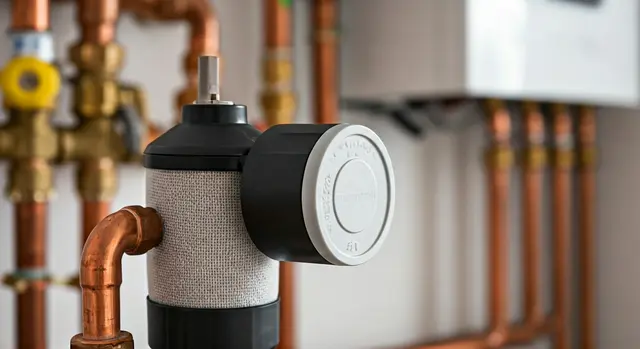
Your central heating system is one of the most vital components of your home, especially during the colder months. But lurking within its pipes and radiators is a silent enemy: magnetite sludge. This iron oxide contaminant can wreak havoc on your boiler's efficiency and lifespan. This is where a magnetic boiler filter steps in – a relatively simple device designed to protect your entire system. But are they truly worth the investment for a UK homeowner in 2026?
What Exactly is a Magnetic Boiler Filter?
A magnetic boiler filter, often referred to by popular brand names like Magnaclean or Adey, is a device installed on the return pipework of your central heating system, just before the boiler. Its primary function is to capture and remove ferrous (iron-based) debris – primarily magnetite sludge – that circulates within the heating water.
Over time, the metal components of your heating system, particularly radiators, corrode internally. This corrosion creates tiny particles of iron oxide, which form a black, sludgy substance known as magnetite. This sludge circulates with the water, settling in radiators, pipework, and critically, within the boiler's heat exchanger and pump.
How They Work
The filter unit contains a powerful magnet, typically housed within a non-magnetic canister. As heating water flows through the filter, the magnet attracts and traps any ferrous particles. The cleaned water then continues its journey back into the boiler. The sludge remains in the filter, preventing it from causing blockages, wear, and tear within the boiler.
The Benefits of Installing a Magnetic Boiler Filter
Installing a magnetic filter offers several compelling advantages for your central heating system and your wallet:
- Protects Your Boiler: The boiler's heat exchanger and pump are particularly vulnerable to magnetite sludge. These components are expensive to repair or replace. A filter acts as a shield, significantly reducing the risk of blockages and premature wear.
- Improves System Efficiency: Sludge build-up in radiators reduces their heat output, meaning your boiler has to work harder and longer to heat your home. By keeping the system clean, a magnetic filter ensures heat transfer is optimal, potentially leading to lower energy bills.
- Extends Boiler Lifespan: A boiler free from circulating debris will experience less stress and wear on its internal components, leading to a longer operational life. Many boiler manufacturers now recommend or even require a filter for warranty validation.
- Reduces Breakdowns: Blockages and component failures caused by sludge are common reasons for boiler breakdowns. A magnetic filter proactively addresses this issue, leading to a more reliable heating system.
- Contributes to a Cleaner System: While not a replacement for a full power flush, a magnetic filter continually cleans the system water, preventing new sludge from accumulating and maintaining the cleanliness achieved by any previous flushing.
Cost Considerations for 2026
The cost of a magnetic boiler filter involves both the unit itself and its professional installation. Prices can vary based on brand, model, and the complexity of the installation.
- Filter Unit Cost: Typically, a good quality magnetic filter unit will cost between £100 and £200.
- Installation Cost: Installation must be carried out by a qualified plumber, and for work directly on the boiler's pipework, it's best handled by a Gas Safe registered plumber. If installed as part of a new boiler installation or a boiler service, the labour cost might be lower, typically adding £100-£250 to the overall job. As a standalone installation, which might involve draining and refilling the system, expect to pay between £250 and £400, including the unit and labour.
- Annual Maintenance: Cleaning the filter is usually a quick task that can be done during your annual boiler service. Some plumbers might include this in the service fee, while others may charge an additional £50-£100 if it requires extra time or a more thorough clean.
Maintenance of Magnetic Filters
Magnetic filters require regular cleaning to remain effective. The frequency depends on the amount of sludge in your system, but typically, it should be cleaned annually as part of your boiler service.
What a Homeowner Can Do (with caution):
Some magnetic filters allow for a simple external clean-down where you can slide the magnetic core out of the canister without opening the system. This allows you to wipe away the collected sludge. Always follow the manufacturer's instructions carefully.
When to Call a Professional:
For a thorough clean that involves opening the filter unit, draining some system water, and re-pressurising the system, you must call a professional. This is especially true if the filter is integral to the boiler's pipework. A Gas Safe registered plumber is essential for any work that could impact your boiler's sealed system. They will ensure the system is correctly drained, cleaned, and refilled, and that all connections are secure and leak-free.
Are Magnetic Boiler Filters Worth It?
In short: yes, for most UK households, a magnetic boiler filter is a highly worthwhile investment. Given the cost of boiler repairs and replacements, and the potential for increased energy bills due to an inefficient system, the upfront cost of a magnetic filter is typically recouped many times over during its lifespan.
Consider these points:
- New Boiler Installations: If you're having a new boiler fitted, a magnetic filter is almost a non-negotiable addition. Many manufacturers will invalidate your warranty if the system isn't properly protected against sludge.
- Older Systems: If you have an older central heating system, especially one with original steel radiators, it's highly likely to have significant sludge build-up. A magnetic filter will immediately start cleaning the system, prolonging the life of your existing boiler.
- Energy Efficiency: With rising energy costs, any measure that improves your heating system's efficiency is a smart move. A clean system heats your home more effectively and uses less fuel.
For any central heating concerns or to get a professional opinion on your system, you can always find a local plumber quickly. They can assess your specific setup and advise on the best solution.
When to Call a Professional
While the benefits of a magnetic filter are clear, its installation and maintenance are not typically DIY jobs. Always call a professional for:
- New Installation: Ensuring the filter is correctly positioned and plumbed into your system.
- Annual Servicing: For a thorough clean and to check the overall health of your heating system.
- Any Boiler-Related Issues: If you suspect sludge is causing a problem, or if you notice your heating system isn't performing as it should. Should you experience a sudden boiler breakdown or significant heating issue, remember that emergency plumbers near you are available.
A qualified, Gas Safe registered engineer will ensure your filter is correctly installed and maintained, safeguarding your boiler and your home's heating for years to come. To connect with a qualified expert and get your boiler system protected, you can get a plumber now through FixDelivered. Our platform allows you to find local, vetted professionals with upfront agreed call-out fees, and our booking fee is refundable if no plumber is found.
Frequently asked questions
What is magnetite sludge?
Magnetite sludge is a black, iron oxide residue that forms inside central heating systems due to the corrosion of metal components, particularly radiators. It circulates in the heating water and can cause blockages and damage to boilers.
How often should a magnetic boiler filter be cleaned?
A magnetic boiler filter should typically be cleaned annually as part of your boiler's routine service. However, in older or particularly sludgy systems, it might benefit from more frequent cleaning initially.
Can I install a magnetic boiler filter myself?
No, installation of a magnetic boiler filter should always be carried out by a qualified plumber, and ideally a Gas Safe registered engineer, especially if it involves working on the boiler's sealed system. Incorrect installation can lead to leaks or damage to your central heating system.
Will a magnetic filter extend my boiler's warranty?
While a magnetic filter itself doesn't extend a warranty, many boiler manufacturers now require one to be installed for the warranty to remain valid. It's considered essential protection against system debris that can damage the boiler.
Is a magnetic filter a replacement for a power flush?
No, a magnetic filter is not a replacement for a power flush. A power flush is a more intensive cleaning process designed to remove existing, heavy sludge build-up throughout the entire system. A magnetic filter works continuously to prevent new sludge from forming and circulating, maintaining the system's cleanliness after a flush.
Need a plumber now? Tell us your emergency and FixDelivered will find and confirm an available local plumber near you, usually within the hour.
Written by the FixDelivered Team. Reviewed by Rupert Lowe, Editor. Last updated 2026-09-27.