Advice & guides › Prevention & Maintenance
How to Prevent Blocked Drains: Your 2026 UK Guide
By The FixDelivered Team · Updated 2026-09-16 · 5 min read
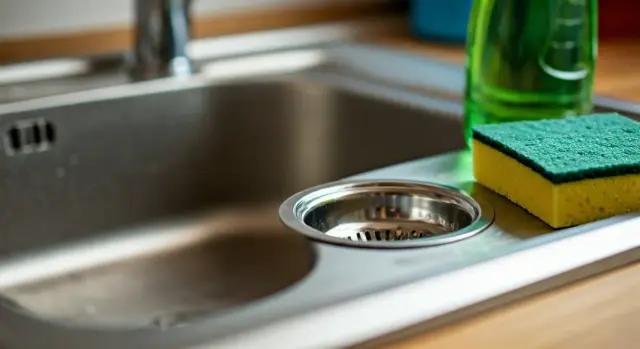
Blocked drains are a common, frustrating, and often costly plumbing issue for UK homeowners. While some blockages are unavoidable, many can be prevented with simple, consistent habits and regular maintenance. This 2026 guide offers practical advice to keep your drains flowing freely, covering everything from kitchen grease to outdoor debris.
Kitchen Sinks: The Grease & Food Trap
Your kitchen sink is a prime candidate for blockages, primarily due to the accumulation of fat, oil, and grease (FOG), combined with food scraps. When FOG cools, it solidifies, clinging to pipe walls and catching other debris.
- Scrape Plates Thoroughly: Before washing, scrape all food remnants into the bin or compost. Even small crumbs can contribute to build-up over time.
- Dispose of FOG Properly: Never pour cooking oil, grease, or fat down the drain. Collect it in an old container and dispose of it with your general waste once cooled.
- Use a Sink Strainer: A simple, inexpensive sink strainer can catch larger food particles before they enter your pipes. Clean it after every use.
- Hot Water Flush: After washing up, run the hot tap for a minute or two. This can help to move any residual grease or soap through the pipes before it has a chance to solidify.
Bathroom Drains: Hair, Soap Scum & More
Bathroom drains, particularly in showers and baths, are notorious for collecting hair, soap scum, and other non-dissolving items. Over time, these form stubborn clogs.
- Hair Catchers: Install a hair catcher over your shower or bath drain. These inexpensive devices are highly effective at trapping hair before it enters the plumbing. Clean them regularly.
- Avoid Flushing Non-Biodegradables: Cotton buds, dental floss, wet wipes (even those marketed as 'flushable'), and sanitary products should always go in the bin, not the toilet.
- Regular Cleaning: Periodically pour a mixture of hot (but not boiling) water down the drain to help dissolve soap scum. For a natural clean, follow with half a cup of baking soda, let it sit for 15-20 minutes, then pour in a cup of white vinegar. Wait another 20 minutes before flushing with hot water. This creates a fizzing action that can dislodge minor build-ups.
Toilets: The 'Flushable' Fallacy
Toilets are designed to handle only three things: human waste (pee and poo) and toilet paper. Anything else, even if labelled 'flushable', can cause significant issues for your home's plumbing and the wider sewage system.
- The 3 Ps Rule: Stick strictly to flushing only pee, poo, and toilet paper.
- No Wet Wipes: This is a major culprit for blockages. Unlike toilet paper, wet wipes do not break down in water.
- Other Items to Avoid: Sanitary products, cotton wool, dental floss, nappies, medicines, cat litter, and cooking fat should never be flushed.
Outdoor Drains: Protecting Against the Elements
Outdoor drains, including gullies and downpipes, are vital for managing rainwater and can become blocked by leaves, silt, and other debris, potentially leading to flooding or damp issues.
- Clear Gutters & Downpipes: Regularly inspect and clear your gutters and downpipes, especially in autumn. Blocked gutters can cause water to overflow and overwhelm ground drains.
- Use Drain Covers: Install grates or covers over outdoor gullies to prevent leaves, dirt, and other large debris from entering.
- Hose Down Gullies: Occasionally hose down outdoor drains to clear any smaller debris or silt that might have accumulated.
- Avoid Pouring FOG Outdoors: Just as with kitchen sinks, never pour fat, oil, or grease down outdoor drains or into your garden, as it can still cause blockages and attract pests.
General Prevention & Maintenance Tips
- Regular Hot Water Flush: For all drains, a weekly flush with hot water can help prevent grease and soap scum from building up.
- Consider Professional Drain Cleaning: Every few years, especially if you live in an older property or have experienced recurring issues, consider having a professional perform a preventative drain clean. This can remove stubborn build-ups before they become full blockages.
- Avoid Chemical Drain Cleaners: While they offer a quick fix, chemical drain cleaners are highly corrosive and can damage pipes, especially older ones. They are also harmful to the environment and pose a safety risk. For persistent issues, professional help is always safer and more effective.
Recognising a Slow Drain: Early Warning Signs
Don't wait for a complete blockage. A slow-draining sink, bath, or toilet, or a gurgling sound from your pipes, are early warning signs that a blockage is forming. Addressing these issues promptly can prevent a bigger, more disruptive problem.
When to Call a Professional Plumber
While preventative measures and minor DIY fixes can help, some blockages require professional intervention. You should call a professional if:
- Your DIY attempts (plunger, baking soda/vinegar) haven't worked.
- The blockage is recurring frequently.
- Multiple drains in your home are affected, which could indicate a main sewer line issue.
- There's an unpleasant smell emanating from drains, suggesting a significant build-up or sewage issue.
- You suspect a collapsed pipe or more serious structural damage.
Professional plumbers have specialised equipment like drain snakes, CCTV cameras, and high-pressure water jetting systems that can clear even the most stubborn blockages without damaging your pipes. For reliable and qualified help, you can easily get a plumber now through FixDelivered. Our service connects you with local experts quickly.
Typically, a professional drain unblocking service in the UK can cost anywhere from £90 to £250 for a standard blockage, but more complex issues requiring specialist equipment or excavation could be higher. Always agree on a price upfront.
Why Professional Help Matters
Ignoring a persistent blockage can lead to more severe problems, including burst pipes, water damage, and even structural issues. A qualified plumber will not only clear the blockage but can also identify the root cause, offering long-term solutions. FixDelivered helps you connect with emergency plumbers near you, ensuring you get expert help when you need it most. Learn more about how FixDelivered works to find a reliable professional.
By adopting these preventative habits, you can significantly reduce the likelihood of experiencing a blocked drain. Regular maintenance saves you stress, inconvenience, and potentially costly emergency repairs. However, if a blockage does occur, don't hesitate to reach out for professional help – it's often the safest and most effective solution. For immediate assistance, tell us your emergency and we'll connect you with a qualified local plumber.
Frequently asked questions
What causes most blocked drains?
Most blocked drains are caused by a build-up of fat, oil, and grease (FOG) and food scraps in kitchen sinks, and hair, soap scum, and non-flushable items (like wet wipes) in bathroom drains and toilets.
Are chemical drain cleaners safe to use?
While they can offer a temporary fix, chemical drain cleaners are highly corrosive and can damage your pipes, especially older ones. They are also hazardous to handle and harmful to the environment. It's generally safer and more effective to use natural remedies for minor clogs or call a professional for stubborn blockages.
How often should I clean my drains?
You should practice daily preventative habits like using strainers and scraping plates. For a deeper clean, a baking soda and vinegar flush can be done monthly or quarterly. Consider a professional drain clean every few years, or if you notice recurring slow drainage.
What's the typical cost to unblock a drain professionally in the UK (2026)?
As a rough guide for 2026, the cost for a professional plumber to unblock a standard drain in the UK typically ranges from £90 to £250. This can vary based on location, severity of the blockage, and the equipment required. Always confirm the price with the plumber upfront.
Need a plumber now? Tell us your emergency and FixDelivered will find and confirm an available local plumber near you, usually within the hour.
Written by the FixDelivered Team. Reviewed by Rupert Lowe, Editor. Last updated 2026-09-16.