Washing Machine Not Draining? DIY Fixes & Filter Cleaning
By The FixDelivered Team · Updated 2026-10-01 · 6 min read
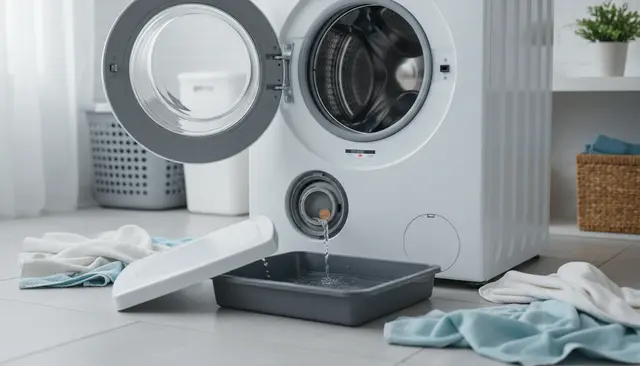
A washing machine that won't drain is a common and frustrating household problem. Often, the cause is a simple blockage that you can fix yourself with a bit of know-how and a few basic tools. Before you call a professional, try these practical steps to get your appliance working again.
Why Isn't My Washing Machine Draining?
Most drainage issues stem from one of two common culprits:
- A blocked filter: The pump filter is designed to catch lint, coins, buttons, and other small items before they reach the pump. Over time, this filter can become clogged, preventing water from draining.
- A blocked or kinked waste hose: The hose that carries wastewater from your machine to the standpipe or under-sink trap can become kinked, squashed, or blocked with debris.
Safety First: Before You Start
Working with electrical appliances and water requires caution. Always follow these essential safety steps:
- Disconnect power: Turn off the washing machine at the mains socket and unplug it completely. This is crucial to prevent electric shock.
- Turn off water supply: Locate the cold water tap (usually at the back of the machine) and turn it off.
- Prepare for water spillage: Even if the drum appears empty, there will likely be residual water in the filter and hose. Have old towels, a shallow tray, or a baking sheet ready to catch any spills.
- Allow cooling: If you've just run a hot wash, let the machine cool down before attempting any work.
DIY Guide: Cleaning Your Washing Machine Filter
Cleaning the pump filter is the most common and often successful DIY fix for drainage problems. This is typically located at the bottom front of your washing machine, behind a small access panel.
Tools You'll Need:
- Old towels or rags
- Shallow tray or baking sheet
- Small container (e.g., a jug or bowl)
- Gloves (optional, but recommended)
- Pliers (for stubborn filters, if applicable)
- Old toothbrush or small brush (for cleaning)
Step-by-Step Instructions:
- Locate the filter: Open the small access panel at the bottom front of your machine. You might need a flat-head screwdriver or a coin to prise it open.
- Prepare for water: Place your shallow tray and towels directly underneath the filter housing.
- Drain residual water: Many machines have a small drainage hose next to the filter. Pull this out, place its end into your small container, and remove the bung or cap to let the water drain. Once drained, replace the bung/cap and push the hose back into its holder. If your machine doesn't have this, water will come directly from the filter opening.
- Unscrew the filter: Slowly turn the filter cap anti-clockwise. As you do, more water will likely escape into your tray. Be prepared to quickly screw it back in if the water flow becomes unmanageable, then drain more gradually.
- Remove and clean the filter: Once fully unscrewed, pull out the filter. You'll likely find lint, coins, buttons, and other debris. Clean the filter thoroughly under a running tap using an old toothbrush or small brush to remove all gunk.
- Clean the filter housing: Look inside the filter housing in the machine. Use your fingers (wearing gloves) to check for any larger obstructions or debris that might be lodged in the pump impeller (the small fan-like blades). Be careful not to damage the impeller.
- Reinsert and secure the filter: Once clean, screw the filter back in clockwise until it's hand-tight. Do not overtighten, but ensure it's secure to prevent leaks.
- Close the access panel: Snap the access panel back into place.
- Test the machine: Restore the water supply and plug the machine back in. Run a short rinse and spin cycle (or a quick wash programme) to check for leaks and ensure proper drainage.
DIY Guide: Checking the Waste Hose and U-Bend
If cleaning the filter didn't solve the problem, the next step is to check the waste hose.
Tools You'll Need:
- Old towels or rags
- Bucket or large bowl
- Pliers or adjustable wrench (if connections are tight)
- Torch
Step-by-Step Instructions:
- Safety first: Ensure the machine is unplugged and the water supply is off.
- Inspect the hose for kinks: Pull the washing machine out slightly to inspect the entire length of the waste hose at the back. Look for any obvious kinks, bends, or objects pressing against it. Straighten any kinks.
- Disconnect from the standpipe/sink trap: The waste hose typically connects to a standpipe (a vertical pipe specifically for the washing machine) or a spigot on your under-sink trap. Place a bucket or large bowl underneath the connection point. Carefully loosen the jubilee clip or hose clamp (you might need pliers or a screwdriver) and pull the hose free. Be ready for residual water.
- Check for blockages in the hose: With the hose disconnected, hold one end over a sink or bucket and pour some water down it to see if it flows freely. If not, the blockage is within the hose itself. You can try to dislodge it with a straightened wire coat hanger or by flushing it with water from the other end.
- Check the standpipe/sink trap: Shine a torch into the standpipe or the spigot on the sink trap. Look for any visible blockages. If it's a sink trap, you might need to carefully disassemble the trap to clear a blockage, but this can be more complex. For most DIYers, checking the visible opening is sufficient.
- Reconnect the hose: Once clear, reattach the waste hose to the standpipe or sink trap, ensuring the jubilee clip is securely tightened. Make sure there are no kinks in the hose as you push the machine back into place.
- Test the machine: Restore power and water, then run a test cycle.
When to Call a Professional
While many drainage issues are DIY-friendly, there are times when professional help is essential. You should call a plumber if:
- You've followed all the steps above, but the machine still isn't draining.
- There's an error code on your machine's display indicating a pump or drainage fault.
- Water is still in the drum and you cannot drain it manually.
- You suspect an internal pump failure or a blockage deep within the machine's plumbing.
- You're uncomfortable performing any of the DIY steps, or you lack the necessary tools.
A qualified plumber can quickly diagnose and fix more complex issues, such as a faulty drain pump or a blockage further down your household's wastewater system. Typically, a plumber's call-out fee in the UK ranges from £70 to £120, with unblocking services potentially adding £50-£150 depending on complexity and time taken. For urgent situations, finding a reliable expert is straightforward; you can tell us your emergency on FixDelivered to get a qualified local plumber fast.
Preventative Maintenance Tips
- Clean the filter regularly: Aim to clean your washing machine filter every 3-6 months, or more often if you wash a lot of pet hair or heavily soiled items.
- Check pockets: Always check pockets before washing to remove coins, tissues, and other small items.
- Use appropriate detergent: Using too much detergent can lead to excessive suds, which can leave residues that contribute to blockages.
- Run maintenance washes: Periodically run a hot wash (60°C or 90°C) with no clothes and a cup of white vinegar or a washing machine cleaner to help clear detergent build-up and kill bacteria.
By following these steps, you can often resolve common washing machine drainage issues yourself. However, for persistent problems or if you prefer professional assistance, FixDelivered can connect you with emergency plumbers near you quickly and reliably, ensuring your laundry routine gets back on track. For more information on how we connect you with local tradespeople, visit how FixDelivered works.
Frequently asked questions
Why is my washing machine not draining?
The most common reasons are a blocked pump filter, a kinked or blocked waste hose, or a fault with the drain pump itself. Start by checking and cleaning the filter.
How often should I clean my washing machine filter?
It's generally recommended to clean your washing machine filter every 3 to 6 months, or more frequently if you wash items with a lot of lint or pet hair.
Can I use chemical drain cleaner in my washing machine?
It's generally not recommended to use harsh chemical drain cleaners directly in your washing machine. These can damage plastic and rubber components within the appliance. Instead, try the DIY steps outlined or consult a professional.
What should I do if water is still in the drum after trying to unblock it?
If you cannot drain the water manually after cleaning the filter and checking the hose, it's best to call a qualified plumber. There might be a more serious blockage or a faulty drain pump that requires professional attention.
Need a plumber now? Tell us your emergency and FixDelivered will find and confirm an available local plumber near you, usually within the hour.
Written by the FixDelivered Team. Reviewed by Rupert Lowe, Editor. Last updated 2026-10-01.