Unblock a Toilet: DIY Guide & Pro Tips UK 2026
By The FixDelivered Team · Updated 2026-09-11 · 7 min read
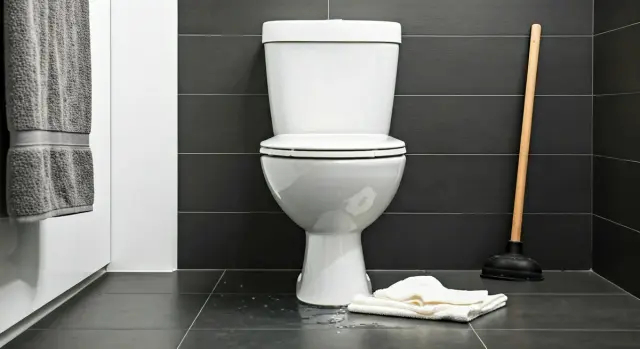
A blocked toilet is a common and unpleasant plumbing emergency that most homeowners will face at some point. While often frustrating, many simple blockages can be resolved with a bit of DIY effort. This guide will walk you through effective methods to clear a blocked toilet, both with and without a plunger, and crucially, advise you on when it's time to call in a professional plumber.
When to Call a Professional Immediately
Before attempting any DIY solutions, consider if the situation warrants immediate professional attention:
- If the toilet is overflowing with sewage or dirty water, especially if it's backing up from other drains. This indicates a deeper, more severe blockage in your main waste pipe.
- If you've tried basic DIY methods and the toilet remains stubbornly blocked.
- If you suspect the blockage is due to a foreign object that could damage your pipes (e.g., a child's toy, a large item).
- If you have a septic tank and suspect issues with it.
- If all the drains in your home (sinks, showers, other toilets) are draining slowly or backing up. This strongly suggests a main sewer line blockage, which requires professional equipment and expertise.
Safety First: Before You Start
Your safety and hygiene are paramount when dealing with a blocked toilet:
- Wear Rubber Gloves: Always wear robust rubber gloves to protect yourself from unsanitary water and potential bacteria.
- Ensure Good Ventilation: Open windows or turn on an extractor fan to ensure good airflow in the bathroom.
- Turn Off the Water Supply: Locate the isolation valve on the pipe leading to the toilet's cistern (usually a small knob or lever) and turn it off. This prevents further water from entering the bowl if you accidentally flush or the blockage shifts, preventing an overflow.
- Protect Your Floor: Lay down old towels or newspapers around the base of the toilet to catch any spills or splashes.
Tools You'll Need
- Rubber gloves
- Old towels or newspapers
- Toilet plunger (flange-style is best for toilets)
- Bucket
- Liquid dish soap
- Hot (but not boiling) water
- Wire coat hanger (unbent) or a dedicated toilet auger (plumber's snake)
- Baking soda and white vinegar (optional)
How to Unblock a Toilet with a Plunger (The First Attempt)
A plunger is often the quickest and most effective solution for minor toilet blockages. Make sure you have a flange-style plunger, which has an extended rubber lip designed to create a better seal in the toilet's drain opening.
- Create a Seal: Position the plunger over the toilet's drain hole, ensuring the rubber flange creates a complete, airtight seal. You want to submerge the plunger entirely in water for maximum effectiveness. If there isn't enough water in the bowl, carefully add some from a bucket.
- Plunge Vigorously: Push the plunger down firmly and then pull it up sharply, maintaining the seal. Repeat this rapid plunging motion 15-20 times. The aim is to create suction and pressure changes that dislodge the blockage.
- Check Progress: After several plunges, quickly remove the plunger and observe if the water level drops or if the blockage clears. If not, reposition the plunger and repeat the process.
- Flush (Carefully): If the water drains, try a careful, short flush to see if the blockage has cleared completely. If the water level rises ominously, stop immediately and do not flush again.
How to Unblock a Toilet Without a Plunger (DIY Methods)
If a plunger isn't available or hasn't worked, don't despair. Several other household items can help.
Hot Water and Dish Soap Method
This method works by helping to break down organic matter and lubricating the blockage.
- Add Dish Soap: Squeeze a generous amount (about half a cup) of liquid dish soap into the toilet bowl.
- Pour Hot Water: Carefully pour a bucket of hot (not boiling) water into the toilet bowl from waist height. The heat helps dissolve the blockage, and the height adds some force. Never use boiling water, as it can crack the porcelain of your toilet bowl due to thermal shock.
- Wait: Leave the mixture to sit for 20-30 minutes, or even longer if possible. The soap needs time to work its way around the blockage, and the hot water needs to do its job.
- Check and Flush: After waiting, check if the water level has dropped. If it has, try a careful, short flush. Repeat the process if necessary.
Wire Coat Hanger / Toilet Auger (Plumber's Snake) Method
For blockages further down the pipe, a wire coat hanger or, ideally, a toilet auger can physically break up or retrieve the obstruction.
- Prepare the Hanger: Unbend a wire coat hanger and wrap a cloth around the end you'll insert into the toilet. This prevents scratching the porcelain.
- Insert and Prod: Gently feed the cloth-covered end of the hanger into the drain hole. Twist and prod the blockage. Be careful not to force it, as you could push the blockage further down or damage the pipes.
- Toilet Auger (Recommended): A dedicated toilet auger (or plumber's snake) is much more effective and safer for your toilet. It has a flexible cable with a crank handle and a protective sleeve to prevent scratching. Feed the auger head into the drain, crank the handle to extend the cable, and gently push it through the blockage. When you feel resistance, crank and push to break up or retrieve the obstruction.
- Clear and Flush: Once you feel the blockage give way, slowly retract the hanger or auger. Flush the toilet carefully to check if the water drains properly.
Baking Soda and Vinegar Method
This creates a fizzing reaction that can help dislodge minor blockages.
- Remove Water: If the bowl is full, remove about half of the water using a bucket or small cup to make space.
- Add Baking Soda: Pour one cup of baking soda into the toilet bowl.
- Add Vinegar: Slowly pour two cups of white vinegar into the bowl. The mixture will fizz.
- Wait: Let the mixture sit for at least 30 minutes, or preferably overnight.
- Flush: Flush the toilet carefully. If it drains, follow up with hot (not boiling) water.
When DIY Isn't Enough: Calling a Professional
If you've tried these methods and your toilet remains blocked, or if you're dealing with sewage overflow, it's definitely time to call in a professional. Persistent blockages often indicate a problem deeper within your plumbing system, such as a main drain blockage, tree root intrusion, or a collapsed pipe.
A qualified plumber has specialised tools like powerful drain augers, hydro-jetting equipment, and CCTV cameras to diagnose and clear even the most stubborn blockages without causing damage. Typically, a plumber's call-out fee for an emergency unblock in the UK might range from £70 to £120 in 2026, with the job itself costing an additional £80 to £150, depending on the complexity and time involved. Emergency out-of-hours services will usually incur a higher charge.
To find a reliable, local plumber quickly, you can tell us your emergency at FixDelivered. We connect you with qualified local professionals who can resolve your plumbing issues promptly. You can also browse plumbers in your area directly.
Preventing Future Toilet Blockages
Prevention is always better than a cure. Follow these tips to minimise the risk of future toilet blockages:
- Only Flush the 3 Ps: Pee, Poo, and (toilet) Paper. Nothing else should go down the toilet.
- Avoid "Flushable" Wipes: Despite their label, these wipes do not break down like toilet paper and are a major cause of blockages in UK sewers and drains.
- Dispose of Sanitary Products Properly: Tampons, sanitary pads, cotton wool, and dental floss should always go in the bin, never the toilet.
- Don't Pour Grease: Never pour cooking grease or fat down the toilet (or any drain), as it solidifies and causes severe blockages.
- Educate Your Household: Ensure everyone in your home understands what can and cannot be flushed.
- Regular Maintenance: Occasionally flush a bucket of hot (not boiling) water and dish soap down the toilet as a preventative measure to help keep pipes clear.
Conclusion
Dealing with a blocked toilet is never pleasant, but with the right approach, many blockages can be cleared yourself. Remember to prioritise safety, work systematically through the DIY methods, and know when to call for expert help. For urgent situations where you need an emergency plumber near you, FixDelivered can help you find a trusted professional quickly. Our service ensures you get connected with qualified plumbers, and you can learn more about how FixDelivered works on our site.
Frequently asked questions
What are the most common causes of a blocked toilet?
The most common causes are flushing non-biodegradable items like "flushable" wipes, sanitary products, excessive toilet paper, or foreign objects (e.g., small toys). Grease, hair, and even certain types of cat litter can also contribute to blockages.
Is it safe to use chemical drain cleaners to unblock a toilet?
We generally advise against using chemical drain cleaners for toilets. They can be highly corrosive, damage your pipes (especially older ones), harm your septic system, and pose significant safety risks if the blockage isn't cleared, as the chemicals can sit in the bowl. DIY methods or a professional plumber are safer alternatives.
How much does it cost to hire a plumber to unblock a toilet in the UK?
In 2026, you can typically expect a plumber's call-out fee for a blocked toilet in the UK to be between £70-£120. The unblocking service itself might range from £80-£150, depending on the complexity of the blockage and the time involved. Emergency or out-of-hours services will usually incur a higher charge.
Need a plumber now? Tell us your emergency and FixDelivered will find and confirm an available local plumber near you, usually within the hour.
Written by the FixDelivered Team. Reviewed by Rupert Lowe, Editor. Last updated 2026-09-11.