Stop Noisy Pipes: Fix Water Hammer & Knocking UK
By The FixDelivered Team · Updated 2026-09-14 · 7 min read
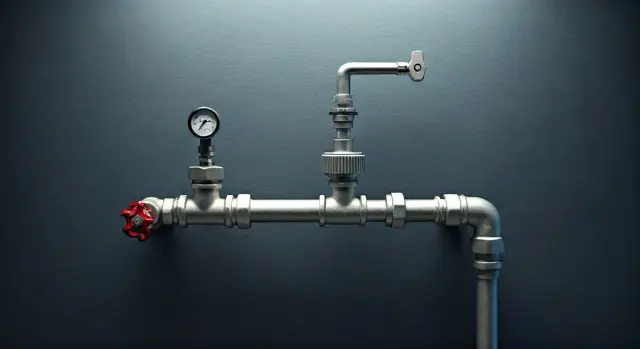
Few household noises are as jarring or persistent as banging, humming, or knocking pipes. These sounds, collectively often referred to as 'water hammer', are not just an annoyance; they can indicate underlying plumbing issues that, if ignored, could lead to costly damage over time. Understanding the cause is the first step to silencing your plumbing system for good.
What Causes Noisy Pipes?
Noisy pipes can stem from several different issues. Identifying the specific type of noise and when it occurs is crucial for an effective fix.
Water Hammer
This is perhaps the most common and distinctive pipe noise. Water hammer sounds like a loud bang or thud, often occurring when a tap is suddenly turned off, a washing machine valve closes, or a toilet cistern refills. It happens when the flow of water is abruptly stopped or changed, causing a shockwave to travel through the pipework and make the pipes vibrate violently against their supports or each other.
Loose Pipes
Pipes that aren't properly secured can vibrate against joists, walls, or other pipes as water flows through them, creating knocking or rattling sounds. This is particularly common in older homes where pipework may have settled or supports have deteriorated.
High Water Pressure
Excessive water pressure in your home's system can exacerbate other issues, leading to increased noise from water flow, stress on pipe joints, and more pronounced water hammer effects.
Air in the System
Air trapped in your plumbing or heating system can cause gurgling, spitting, or bubbling noises, especially when taps are opened or radiators are in use.
Boiler & Heating System Issues
Noises originating from your boiler or central heating system can range from a humming or whistling sound to a loud banging, often referred to as 'kettling'. These can indicate issues like limescale build-up, pump problems, or incorrect pressure.
Worn Components
A worn washer in a tap or a faulty valve can cause a persistent humming or whistling sound as water struggles to pass through the obstruction.
DIY Solutions for Noisy Pipes
Before calling in a professional, there are several steps you can take to diagnose and potentially fix noisy pipes yourself.
1. Identify the Source of the Noise
This is the most critical first step. Try to pinpoint exactly where and when the noise occurs. Is it only when a specific tap is used? Is it constant? Does it happen when the heating is on? Listen carefully and even feel pipes to locate vibrations.
2. Secure Loose Pipes
If you suspect loose pipes are the culprit, especially in accessible areas like lofts, basements, or under sinks:
- Locate the Loose Section: Listen for the noise and gently feel the pipes.
- Turn Off Water: If working near joints or connections, it's wise to turn off the main stopcock to prevent accidental leaks.
- Add Pipe Clips: Use appropriate pipe clips or clamps to secure the pipe firmly to a joist or wall. Ensure they are the correct size for your pipework.
- Insulate Pipes: For pipes running through cavities or against other surfaces, wrap them with foam pipe insulation. This not only reduces noise but also helps with heat retention.
Tools Needed: Pipe clips/clamps, screwdriver, pipe insulation, utility knife. Safety Caution: Be careful not to overtighten clips, which could damage pipes. Ensure the area is safe to access. When to Call a Professional: If pipes are inaccessible (e.g., behind plasterboard), or if you suspect damage to the pipework itself.
3. Bleed Radiators (for heating system noises)
If your central heating pipes are gurgling or radiators aren't heating evenly, trapped air is a likely cause:
- Turn Off Heating: Ensure your central heating system is off and the radiators are cool.
- Locate Bleed Valve: At the top corner of each radiator, you'll find a small square or slotted bleed valve.
- Open Valve: Using a radiator key, slowly turn the valve anti-clockwise. You'll hear a hissing sound as air escapes.
- Close Valve: Once water starts to come out (have a cloth ready!), turn the valve clockwise to close it.
- Check Pressure: After bleeding all radiators, check your boiler's pressure gauge and top it up if necessary according to your boiler's manual.
Tools Needed: Radiator key, cloth. Safety Caution: Water can be hot, even if the radiator is cool. When to Call a Professional: If radiators remain cold, you continually need to bleed them, or if you suspect a boiler issue. For any boiler-related problems, always contact a Gas Safe registered plumber.
4. Check Your Main Stopcock
Sometimes, a partially open stopcock can restrict water flow and cause a humming noise. Ensure your main stopcock (usually under the sink or near the front door) is fully open.
Tools Needed: None. Safety Caution: None. When to Call a Professional: If your stopcock is stiff, seized, or leaking, it may need professional attention.
Addressing Water Hammer Specifically
If the banging is definitively water hammer, these solutions are more targeted:
1. Install Water Hammer Arrestors
These devices are designed to absorb the shockwave created by sudden water stops. They can be installed at specific points of use (e.g., behind a washing machine or dishwasher) or as a whole-house solution.
- How they work: Arrestors contain an air chamber or diaphragm that compresses when a pressure surge occurs, cushioning the impact.
- DIY vs. Professional: Point-of-use arrestors can often be fitted by a competent DIYer, but for whole-house systems or difficult-to-access pipes, professional installation is recommended for optimal placement and effectiveness.
- Typical UK Cost (2026): Arrestors themselves cost £20-£50 each. Professional installation for one or two units might be £150-£300, depending on complexity.
When to Call a Professional: For whole-house solutions, if you're unsure about the best placement, or if pipes are inaccessible.
2. Install a Pressure Reducing Valve (PRV)
If your home's overall water pressure is too high (typically above 3 bar), a PRV can be installed on your main water line to reduce it to a safer and more manageable level. This can significantly reduce the likelihood of water hammer and pipe strain.
- Professional Job ONLY: Installing a PRV is a complex plumbing task that requires professional expertise to ensure correct sizing, placement, and compliance with water regulations.
- Typical UK Cost (2026): Installation of a PRV can range from £250-£450, including the valve itself, depending on your existing pipework and access.
When to Call a Professional: Always for PRV installation. This is not a DIY job.
3. Clear Air from Pipes
While bleeding radiators addresses air in the heating system, air can also get trapped in your main cold or hot water supply pipes. This often requires a plumber to drain and refill the system carefully to purge the air. This is typically only done if other solutions have failed and air is suspected as the primary cause of noise in the main water lines.
When to Call a Professional Plumber
While DIY attempts can resolve many noisy pipe issues, some problems require the expertise of a qualified plumber. You should call a professional if:
- Your DIY efforts haven't resolved the noise.
- The pipes causing the noise are inaccessible (e.g., behind walls or under floors).
- You suspect high water pressure is the root cause.
- The noise is related to your boiler or central heating system (always ensure they are Gas Safe registered plumbers for gas appliances).
- You're uncomfortable performing any of the DIY steps, or if the problem seems complex.
- You're dealing with a sudden, severe issue like a burst pipe or significant leak, in which case you might need emergency plumbers near you.
Ignoring persistent pipe noises can lead to pipe fatigue, joint leaks, or even burst pipes over time, causing significant water damage. Acting promptly can save you money and stress in the long run.
How FixDelivered Can Help
When you need a reliable, qualified plumber to diagnose and fix noisy pipes, FixDelivered connects you with local professionals quickly. We understand the urgency of plumbing issues and streamline the process of finding trusted experts.
You can browse plumbers in your area or simply tell us your emergency, and we'll help you find a vetted plumber with upfront pricing. Learn more about how FixDelivered works to ensure peace of mind with your plumbing repairs.
Don't let banging pipes disrupt your home. Take action, and if in doubt, call in the professionals to ensure your plumbing system runs quietly and efficiently.
Frequently asked questions
What exactly is water hammer?
Water hammer is a loud banging or thudding noise in your pipes, typically occurring when water flow is abruptly stopped or changed (e.g., when a tap is turned off quickly). It's caused by a shockwave travelling through the water, making pipes vibrate.
Can noisy pipes cause damage to my home?
Yes, they can. Persistent noisy pipes, especially water hammer, can put significant stress on pipe joints, fittings, and even the pipes themselves over time. This can lead to leaks, burst pipes, and potentially costly water damage to your property if left unaddressed.
How much does it cost to fix water hammer in the UK?
The cost varies depending on the solution. Installing a single water hammer arrestor might cost £150-£300 for parts and labour. If a Pressure Reducing Valve (PRV) is needed, professional installation typically ranges from £250-£450. Simple fixes like securing loose pipes could be less, around £100-£250, depending on access and the extent of the work. These are rough 2026 UK guides.
Can I fix noisy pipes myself?
Many common noisy pipe issues, such as loose pipes or air in radiators, can be fixed by a competent DIYer. However, more complex problems like persistent water hammer, high water pressure, or boiler-related noises often require the expertise of a professional plumber to diagnose and repair safely and effectively.
When should I call a professional for noisy pipes?
You should call a professional if your DIY attempts haven't worked, if the pipes are inaccessible, if you suspect high water pressure, if the noise is coming from your boiler (ensure they are Gas Safe registered), or if you're uncomfortable performing the repairs yourself. Prompt professional attention can prevent more serious damage.
Need a plumber now? Tell us your emergency and FixDelivered will find and confirm an available local plumber near you, usually within the hour.
Written by the FixDelivered Team. Reviewed by Rupert Lowe, Editor. Last updated 2026-09-14.