How to Stop an Overflowing Toilet & Clean Up Safely
By The FixDelivered Team · Updated 2026-09-05 · 6 min read
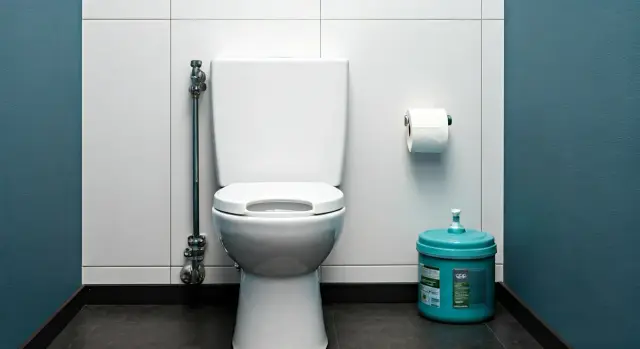
An overflowing toilet is a homeowner's worst nightmare, potentially causing significant water damage and a major headache. Acting quickly is crucial to minimise the mess and prevent costly repairs. This guide will walk you through the immediate steps to stop the overflow, clean up safely, and understand when it's time to call in a professional plumber.
Immediate Action: Stop the Flow
When your toilet starts to overflow, every second counts. Follow these steps immediately:
- Lift the Cistern Lid: Quickly remove the lid from the toilet cistern (the tank at the back).
- Manually Stop the Fill Valve: Inside the cistern, you'll see a float mechanism. This is usually a ballcock or a float cup. Lift the float arm or push down on the float cup with your hand. This should immediately stop water from entering the cistern and, consequently, the toilet bowl. Hold it until the water in the bowl has subsided.
- Locate and Turn Off the Toilet's Isolation Valve: Look for a small valve on the pipe leading to the bottom of your toilet cistern. This is usually a chrome or plastic knob or a slotted screw. Turn it clockwise until it's tight. This will cut off the water supply to just the toilet.
- If the Isolation Valve Fails or is Inaccessible, Turn Off the Main Stopcock: If you can't find or turn off the toilet's isolation valve, you'll need to turn off the main stopcock for your property. This is typically located under the kitchen sink, in a utility room, or near the water meter outside. Turning this off will stop all water supply to your home, but it's essential to prevent further damage.
- Clear Any Obvious Blockages (Carefully): If the overflow is due to a visible blockage in the bowl, and the water level has dropped, you can try to clear it with a plunger. Be careful not to force more water out of the bowl.
- Assess the Situation: Once the water flow has stopped, take a moment to understand why it happened. Is the float mechanism faulty? Is there a blockage in the waste pipe? This will help determine your next steps.
Why Toilets Overflow
Understanding the common causes can help you prevent future incidents:
- Blocked Drain: The most common reason. Too much toilet paper, sanitary products, or other non-flushable items can create a blockage in the U-bend, waste pipe, or further down the soil stack.
- Faulty Fill Valve/Ballcock: The fill valve (or ballcock assembly) controls the water filling the cistern. If it's faulty, it might not shut off properly, causing the cistern to continuously fill and overflow into the overflow tube, eventually backing up into the bowl if the waste pipe is also slow.
- Float Arm Set Too High: If the float arm or cup is set too high, the cistern will overfill, sending water down the overflow tube into the toilet bowl.
- Damaged Flapper/Flush Valve: The flapper or flush valve seals the opening between the cistern and the toilet bowl. If it's old, warped, or not seating correctly, water can constantly leak into the bowl, potentially leading to an overflow if the drain is slow.
Cleaning Up Safely After an Overflow
Toilet water can contain bacteria and pathogens, so safety is paramount during cleanup.
Tools You'll Need:
- Rubber gloves
- Old towels or absorbent cloths
- Buckets
- Wet/dry vacuum cleaner (optional, but highly recommended)
- Disinfectant spray (bleach-based or strong antibacterial cleaner)
- Stiff brush or scrub pad
- Mop
- Fan or dehumidifier
Step-by-Step Cleanup:
- Safety First: Put on rubber gloves. If the water has reached electrical outlets or appliances, turn off the electricity to that area at your fuse box before touching anything. Ensure good ventilation by opening windows.
- Contain and Remove Water: Use old towels or a wet/dry vacuum to soak up as much standing water as possible. Wring towels into buckets.
- Clean and Disinfect Surfaces: Once the bulk of the water is removed, thoroughly clean all affected hard surfaces (tiles, linoleum, porcelain) with a strong disinfectant spray. Pay close attention to grout lines and corners.
- Address Porous Materials: For carpets, rugs, or wooden flooring, the situation is more complex. If they are heavily soiled or have been wet for a long time, they may need professional cleaning or replacement to prevent mould growth and structural damage.
- Dry Thoroughly: Use fans and open windows to air out the area. A dehumidifier can significantly speed up the drying process and prevent mould. Ensure everything is completely dry before restoring furniture or using the area normally.
- Dispose of Contaminated Items: Bag and dispose of any heavily contaminated towels, sponges, or cleaning cloths.
Preventing Future Toilet Overflows
- Mind What You Flush: Only flush human waste and toilet paper. Never flush wet wipes (even if labelled 'flushable'), sanitary products, cotton wool, dental floss, or excessive amounts of toilet paper.
- Regular Checks: Periodically lift your cistern lid and check the water level. It should be just below the top of the overflow pipe. If it's too high, adjust the float mechanism. Check the flapper for any signs of wear or damage.
- Address Slow Drains Promptly: If your toilet flushes slowly or gurgles, it's a sign of a partial blockage. Address it with a plunger or a drain snake before it becomes a full overflow.
When to Call a Professional
While some overflowing toilet issues can be tackled DIY, there are times when professional help is essential:
- Persistent Blockage: If you can't clear the blockage with a plunger, or it keeps recurring, the problem might be deeper in your drainage system or even in the main soil pipe. A plumber has specialist tools like drain snakes or CCTV cameras to diagnose and clear these issues.
- Faulty Internal Components: If you've identified a faulty fill valve, flapper, or float mechanism and aren't comfortable replacing it yourself, a plumber can quickly carry out the repair.
- Water Damage: If the overflow has caused significant water damage to flooring, walls, or ceilings, you may need a plumber to ensure the source is completely fixed, and then potentially other trades for repair.
- Can't Locate or Turn Off Water: If you're unable to find your toilet's isolation valve or the main stopcock, or if they are seized, don't force them. Call a plumber immediately. You can find emergency plumbers near you quickly through FixDelivered.
- Lack of Confidence: If you're unsure at any stage or simply uncomfortable dealing with the issue, it's always best to call a professional. Peace of mind is worth the call-out fee.
FixDelivered connects you with qualified local plumbers who can quickly attend to your plumbing emergency. Our network of experienced professionals can diagnose and fix overflowing toilets efficiently, helping you avoid further damage and stress. You can learn more about how FixDelivered works and book a plumber with an agreed upfront call-out fee.
Rough Cost for a Plumber in 2026 UK:
- Emergency Call-out: Typically £80-£150 for the call-out itself, often covering the first hour of work.
- Clearing a simple blockage: £80-£150.
- Replacing a fill valve/ballcock: £120-£200 (parts and labour).
- Replacing a flapper/flush valve: £70-£120 (parts and labour).
These are rough guides, and actual costs will vary based on your location, the time of day (emergency hours are more expensive), and the complexity of the job. Always get a quote upfront.
For any plumbing emergency, don't hesitate to tell us your emergency and get connected with a reliable local plumber through FixDelivered.
Frequently asked questions
What causes an overflowing toilet?
The most common causes are a blocked drain (e.g., too much toilet paper, non-flushable items), a faulty fill valve that doesn't stop the cistern from filling, or a float arm set too high, causing water to continuously enter the bowl.
Is an overflowing toilet an emergency?
Yes, an overflowing toilet is definitely an emergency. It can quickly cause significant water damage to your property, lead to mould growth, and potentially pose hygiene risks. Immediate action to stop the water flow and clean up is crucial.
How much does it cost to fix an overflowing toilet in the UK?
In 2026, a plumber's emergency call-out fee typically ranges from £80-£150. Fixing a simple blockage might cost £80-£150, while replacing a faulty fill valve or flapper could be £70-£200, including parts and labour. Prices vary by region and time of day.
Can I fix an overflowing toilet myself?
You can often stop the immediate overflow by lifting the cistern lid and manually stopping the fill valve, then turning off the toilet's isolation valve or main stopcock. Simple blockages can sometimes be cleared with a plunger. However, if the issue is persistent, internal components are faulty, or you're unsure, it's best to call a professional plumber.
Need a plumber now? Tell us your emergency and FixDelivered will find and confirm an available local plumber near you, usually within the hour.
Written by the FixDelivered Team. Reviewed by Rupert Lowe, Editor. Last updated 2026-09-05.