Leaking Hot Water Cylinder: Emergency Steps & Fixes
By The FixDelivered Team · Updated 2026-09-30 · 7 min read
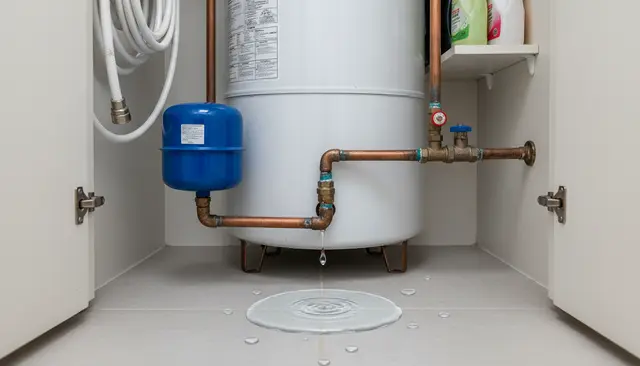
A leaking hot water cylinder or tank is more than just an inconvenience; it's a plumbing emergency that can lead to extensive water damage, electrical hazards, and a lack of hot water. Acting quickly and correctly is crucial to mitigate damage and ensure safety. This guide will walk you through the immediate steps to take, help you identify the source and severity of the leak, and advise on when to call a professional.
Immediate Emergency Steps for a Leaking Hot Water Cylinder
If you discover your hot water cylinder is leaking, follow these steps immediately to ensure safety and minimise damage:
- Turn Off the Main Water Supply: Locate your home's main stopcock (usually under the kitchen sink, in a utility cupboard, or near the water meter outside). Turn it clockwise until the water flow stops. This will prevent more water from entering the cylinder and leaking out.
- Turn Off the Heating System: If your hot water cylinder is heated by a boiler, switch off your central heating system at the control panel. If it's an electric immersion heater, turn off the dedicated fuse switch for the hot water cylinder at your consumer unit (fuse box). This prevents the system from trying to heat an empty or leaking tank, which could cause damage or pose an electrical risk.
- Contain the Leak: Place buckets, towels, or old sheets around and under the cylinder to catch the leaking water. If the leak is substantial, you might need to create a barrier with towels to direct the water towards a drain or an area where it can be easily collected or absorbed.
- Ventilate the Area: Open windows and doors to help dry out the area and prevent mould growth, especially if the leak has been ongoing for some time.
- Assess the Situation (Safely): Once the water and power are off, you can more safely try to determine the extent and source of the leak. However, do not attempt any repairs yourself if you are unsure or uncomfortable.
Identifying the Source of the Leak
Understanding where the water is coming from can help your plumber diagnose the issue faster, but remember, a leak from the tank itself is almost always a sign of terminal failure.
- From the Top of the Cylinder: This could indicate issues with the immersion heater element, the thermostat, pipe connections, or the pressure relief valve.
- From the Bottom of the Cylinder: Often the most serious, a leak from the base typically means the inner tank has corroded and failed. This usually requires a full cylinder replacement.
- From Pipe Connections: Leaks around the inlet, outlet, or expansion pipe connections might be due to loose fittings, corroded joints, or failed seals.
- From Valves: The pressure relief valve, temperature and pressure relief valve (T&P valve), or drain valve can sometimes leak if they are faulty, stuck open, or under excessive pressure.
Common Causes of Hot Water Cylinder Leaks
Hot water cylinders are built to last, but over time, several factors can lead to leaks:
- Corrosion: This is the most common cause, especially for older copper or steel cylinders. The constant presence of hot water can eventually corrode the tank walls, leading to pinholes or cracks. Once corrosion sets in, the tank is usually beyond repair.
- Excessive Pressure: If the water pressure in your system is too high, it can stress the cylinder and its connections, leading to leaks, particularly from pressure relief valves.
- Faulty Immersion Heater: The seal around an electric immersion heater element can degrade over time, causing water to leak from the top of the cylinder. The element itself can also fail, leading to leaks.
- Loose Pipe Connections: Vibrations or changes in temperature can cause pipe fittings to loosen over time, resulting in drips or leaks.
- Failed Seals or Gaskets: Seals on inspection hatches, thermostats, or other access points can perish, leading to water egress.
- Damage: Physical impact, freezing (though rare for indoor cylinders), or improper installation can compromise the integrity of the tank.
When to Call a Professional Plumber
While you can take immediate steps to contain a leak, a leaking hot water cylinder is almost always a job for a qualified professional plumber. You should call a plumber immediately if:
- The leak is coming from the main body of the cylinder itself (top, bottom, or sides). This signifies internal corrosion and requires replacement.
- You cannot identify the source of the leak or are unsure how to safely turn off the water or power.
- The leak is significant and you're worried about extensive water damage.
- The leak is from a pressure relief valve and doesn't stop after the system cools down.
- You have no hot water, even after attempting to reset the system.
For urgent issues like a leaking hot water cylinder, you'll need emergency plumbers near you who can respond quickly. FixDelivered helps you find qualified local plumbers fast. You can tell us your emergency and we'll connect you with available professionals.
Repairing vs. Replacing a Leaking Hot Water Cylinder
The decision to repair or replace often depends on the source and severity of the leak, as well as the age of the cylinder.
- Repair: Minor leaks from pipe connections, faulty valves, or the immersion heater seal can often be repaired by a plumber. These repairs typically involve tightening connections, replacing seals, or fitting new valves/elements.
- Replacement: If the leak is from the main body of the cylinder itself, especially from the bottom due to corrosion, replacement is almost always the only safe and effective solution. Patching a corroded tank is not a long-term fix and can be dangerous. Modern cylinders are more energy-efficient, so a replacement can also offer long-term savings on your energy bills.
Costs Involved: Repairs and Replacements (2026 UK Guide)
The cost to address a leaking hot water cylinder varies significantly based on the issue, your location, and the type of cylinder. As a rough guide for 2026 UK prices:
- Plumber's Call-out Fee: Typically £60 - £120 for an emergency visit, which may include the first hour of labour.
- Minor Repairs (e.g., valve replacement, tightening connections): Expect to pay £150 - £350, including parts and labour.
- Immersion Heater Replacement: Costs usually range from £180 - £400, depending on the heater type and complexity.
- Hot Water Cylinder Replacement (Tank Only):
- Direct Cylinder (electric): £400 - £800 for the cylinder itself.
- Indirect Cylinder (boiler-fed): £350 - £700 for the cylinder itself.
- Unvented Cylinder (high pressure): £600 - £1,200 for the cylinder itself (these require specialist installation).
- Labour for Cylinder Replacement: Installation can take 4-8 hours, costing an additional £300 - £700, plus disposal of the old cylinder.
Always get a few quotes and ensure the plumber is qualified and insured. When using FixDelivered, the plumber's callout fee is agreed upfront and paid directly to them, ensuring transparency. To understand how FixDelivered works, you can visit our detailed guide.
Preventing Future Hot Water Cylinder Leaks
While some leaks are unavoidable due to age, regular maintenance can help prolong the life of your hot water cylinder:
- Annual Servicing: Have your hot water system checked by a qualified plumber annually. They can inspect for signs of corrosion, check pressure, and ensure all components are functioning correctly.
- Check Pressure: If you have an unvented cylinder, ensure your system's pressure is within the manufacturer's recommended limits. A plumber can install a pressure reducing valve if needed.
- Insulation: Proper insulation can protect your cylinder and pipes from extreme temperature changes, which can contribute to stress and wear.
A leaking hot water cylinder is a serious issue that demands immediate action from a professional. Don't delay in turning off the water and power, and then promptly find a local plumber to assess and fix the problem. For more helpful information on various plumbing emergencies, explore our plumbing emergency guides. FixDelivered is here to connect you with qualified, local plumbers quickly and efficiently when you need them most.
Frequently asked questions
How serious is a leaking hot water cylinder?
A leaking hot water cylinder is a serious emergency. It can cause significant water damage to your property, create electrical hazards if water reaches wiring, and leave you without hot water. Immediate action is crucial to minimise damage and ensure safety.
Can I fix a leaking hot water cylinder myself?
While you can take immediate steps like turning off water and power and containing the leak, actual repairs to a hot water cylinder should almost always be left to a qualified plumber. Leaks from the tank itself, especially from the bottom due to corrosion, typically mean the cylinder needs replacement, not a DIY patch.
How much does it cost to fix a leaking hot water tank in the UK?
Costs vary, but as a 2026 guide, a plumber's call-out fee is typically £60-£120. Minor repairs (e.g., valve replacement) might cost £150-£350. A full cylinder replacement, including the new tank (£350-£1,200 depending on type) and labour (£300-£700), can range from £650 to over £2,000. Always get a detailed quote.
Why is my hot water cylinder leaking from the top vs. the bottom?
A leak from the top often indicates an issue with the immersion heater seal, thermostat, or pipe connections. A leak from the bottom is typically more serious, usually signifying that the inner tank has corroded and failed, requiring a full cylinder replacement.
Need a plumber now? Tell us your emergency and FixDelivered will find and confirm an available local plumber near you, usually within the hour.
Written by the FixDelivered Team. Reviewed by Rupert Lowe, Editor. Last updated 2026-09-30.