Stop That Drain Smell: Causes & Fixes for UK Homes
By The FixDelivered Team · Updated 2026-10-01 · 7 min read
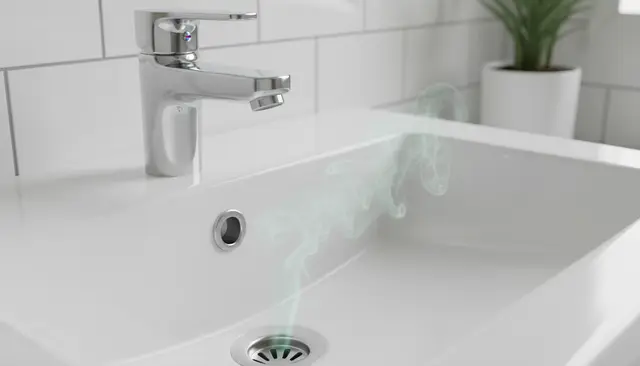
There's nothing quite as off-putting as a persistent sewage or drain smell wafting through your home. Not only is it unpleasant, but it can also be a sign of an underlying plumbing problem that needs attention. Identifying the source of the odour is the first step to getting rid of it for good. This guide will walk you through the most common causes of drain smells in UK homes and offer practical advice on how to tackle them.
Why Does My House Smell Like Drains or Sewage?
A foul smell can originate from various parts of your plumbing system. Here are the most typical culprits:
Dry P-Trap (U-Bend)
Every sink, bath, shower, and toilet has a U-shaped pipe called a P-trap (or U-bend in the UK). This trap holds a small amount of water, creating a seal that prevents sewer gases from entering your home. If a drain isn't used for a while, the water in the trap can evaporate, allowing odours to escape. This is common in guest bathrooms or utility sinks.
Blocked or Partially Blocked Drains
Accumulations of hair, soap scum, grease, and food waste can create blockages in your pipes. As this organic matter decomposes, it produces foul-smelling gases that can back up into your home. Partial blockages are particularly tricky as water may still drain, but slowly, allowing smells to fester.
Faulty Vent Pipe
Your home's plumbing system includes a vent pipe, typically running from the drain lines through your roof. Its job is to regulate air pressure in the pipes, allowing waste to flow smoothly and preventing sewer gases from being drawn back into your house. If this vent pipe becomes blocked (e.g., by leaves, bird nests) or is damaged, it can lead to negative pressure, causing water in P-traps to be siphoned out, or allowing sewer gases to escape directly.
Leaking or Damaged Waste Pipes
A crack or loose joint in a waste pipe, whether visible under a sink or hidden behind a wall or under floorboards, can allow wastewater to seep out. This stagnant, decomposing water will produce a strong sewage smell, often becoming more noticeable over time. These leaks can also lead to damp issues and structural damage.
Compromised Toilet Seal (Wax Ring)
The base of your toilet is sealed to the waste pipe with a wax ring or rubber gasket. If this seal deteriorates, becomes loose, or is installed incorrectly, it can allow sewer gases from the toilet's waste pipe to escape into your bathroom. You might notice the smell most strongly around the base of the toilet, especially after flushing.
Infrequently Used Drains or Appliances
Similar to a dry P-trap, any drain that isn't regularly used can dry out. This includes floor drains in basements or utility rooms, or the drains for washing machines and dishwashers if they sit idle for extended periods. Appliance drains can also accumulate food particles and detergent residue, leading to bacterial growth and odours.
External Sewerage System Problems
Occasionally, the problem isn't with your internal plumbing but with the main sewer line serving your property or street. Issues like blockages, damage, or even collapsed sections in the public sewer can cause gases to back up into connected homes. In such cases, the smell might be more widespread or noticeable outside your property.
Septic Tank Problems (for Rural Homes)
If your home uses a septic tank system, a sewage smell could indicate a problem with the tank itself, such as it being full, a blocked drain field, or a faulty vent. These issues require specialist attention.
Gas Leaks: A Critical Safety Warning
It's important to differentiate a drain smell from a gas leak. While some drain smells can be 'rotten egg' like, a strong, persistent rotten egg smell could indicate a gas leak (due to added mercaptan). If you suspect a gas leak, *immediately* open windows, turn off the gas supply if safe to do so, and call your gas provider's emergency line. For any work on gas appliances or boilers, you *must* only use a Gas Safe registered plumber.
Initial DIY Steps to Tackle Drain Smells
Before calling a professional, there are a few simple things you can try:
- Fill Dry P-Traps: Run water down every drain in your house for a minute or two, including those in rarely used sinks, baths, and showers. For floor drains, pour a bucket of water down them.
- Clean Visible Drain Parts: Remove plughole stoppers and clean away any hair, soap scum, or debris you can reach. For kitchen sinks, check the overflow for gunk.
- Hot Water Flush: Pour a kettle of boiling water down the affected drain. This can help dislodge grease and minor blockages. Follow with a cold water flush.
- Baking Soda and Vinegar: Pour half a cup of baking soda down the drain, followed by half a cup of white vinegar. Let it sit for 30 minutes to an hour (or even overnight for stubborn smells), then flush with hot water. The fizzing action can help break down build-ups. Avoid using harsh chemical drain cleaners, as these can damage pipes and are often ineffective.
- Clean Appliance Drains: For washing machines, run a hot wash cycle with a cup of white vinegar instead of detergent. For dishwashers, clean the filter and run an empty hot cycle with a dishwasher cleaner or a cup of vinegar.
When to Call a Professional Plumber
If you've tried the DIY tips and the smell persists, or if you suspect a more serious issue like a vent pipe problem, a hidden leak, or a compromised toilet seal, it's time to call in the experts. A qualified plumber can quickly diagnose and resolve the problem. For prompt and reliable service, you can tell us your emergency.
What to Expect from a Plumber – And Typical Costs (2026)
When you call a plumber for a drain smell, they will conduct a thorough investigation to pinpoint the source. This might involve using drain cameras, smoke tests, or simply their keen sense of smell and experience.
- Plumber Call-Out Fees: As a rough guide for 2026, expect to pay between £70-£120 for a standard call-out during working hours, which typically covers the first hour of diagnosis. For emergency or out-of-hours service, this could rise to £120-£250. With FixDelivered, the plumber’s callout fee is agreed upfront, so there are no surprises.
- Minor Blockage Clearing: If the issue is a straightforward blockage, expect costs of £90-£180, depending on accessibility and severity.
- P-Trap Replacement: If a P-trap needs replacing due to damage or incorrect installation, costs typically range from £120-£250, including parts and labour.
- Toilet Seal Replacement: Replacing a faulty toilet seal usually costs between £150-£300, depending on the complexity of removing and re-seating the toilet.
- Vent Pipe Issues: Repairing or clearing a blocked vent pipe can vary significantly. An accessible blockage might be £150-£300, but if roof access or more extensive work is needed, it could be £300-£600+.
- Leak Detection and Repair: Identifying and fixing a hidden leak is more complex. Costs typically start from £150 and can go much higher (£500+) depending on where the leak is and how much access is required (e.g., cutting into walls or floors).
With FixDelivered, finding a qualified professional is straightforward. You can also learn more about how FixDelivered works.
Preventing Future Drain and Sewage Smells
Once the smell is gone, take these preventative steps to keep it from returning:
- Regular Flushing: Routinely run water down all your drains, especially those in rarely used areas, to keep P-traps full.
- Proper Waste Disposal: Avoid pouring grease, coffee grounds, or excessive food scraps down your kitchen sink. Use drain catchers to prevent hair and soap scum from entering bathroom drains.
- Routine Cleaning: Clean your plugholes and overflows regularly.
- Annual Drain Maintenance: Consider an annual flush with baking soda and vinegar for all drains as a preventative measure.
- Check External Drains: Ensure outdoor drains and gulleys are clear of leaves and debris.
Don't let unpleasant odours linger. A sewage or drain smell can be more than just an annoyance; it can indicate a problem that needs attention. By understanding the causes and knowing when to act, you can maintain a fresh and healthy home. If you need a professional, find a local plumber through FixDelivered today.
Frequently asked questions
What causes a sewage smell in a house?
Common causes include dry P-traps (U-bends) due to infrequent use, blocked or partially blocked drains, faulty vent pipes, leaking waste pipes, a compromised toilet seal, or issues with external sewer systems or septic tanks. It's crucial to rule out a gas leak if the smell is strong and rotten-egg like.
Is a sewage smell dangerous?
While typically not immediately dangerous, prolonged exposure to sewer gases can cause symptoms like headaches, nausea, or fatigue. More importantly, it indicates a plumbing issue that could lead to leaks, damp, or structural damage if left unaddressed. A strong rotten-egg smell could also indicate a dangerous gas leak, which requires immediate attention from your gas provider.
How much does a plumber cost to fix a drain smell in the UK?
As a rough guide for 2026, a plumber's call-out fee for diagnosis during working hours is typically £70-£120. Repair costs vary: clearing a minor blockage might be £90-£180, replacing a P-trap £120-£250, and fixing more complex issues like vent pipe problems or hidden leaks could range from £150 to £600+ depending on the work involved. These costs do not include the FixDelivered booking fee.
Can I fix a drain smell myself?
For simple causes like a dry P-trap, you can often fix it by running water down the drain. Minor blockages can sometimes be cleared with hot water, baking soda, and vinegar. However, if the smell persists, if you suspect a hidden leak, a faulty vent pipe, or a compromised toilet seal, it's best to call a professional plumber to properly diagnose and resolve the issue.
Need a plumber now? Tell us your emergency and FixDelivered will find and confirm an available local plumber near you, usually within the hour.
Written by the FixDelivered Team. Reviewed by Rupert Lowe, Editor. Last updated 2026-10-01.