Advice & guides › Hiring a Plumber
Plumbing Emergency? Know When to Call a Pro
By The FixDelivered Team · Updated 2026-08-28 · 6 min read
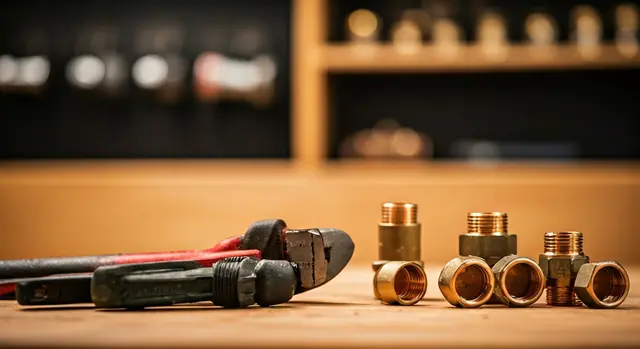
When a plumbing problem strikes, the first question is often: is this an emergency, or can it wait? Misjudging the situation can lead to escalating damage, higher repair costs, or unnecessary emergency call-out fees. Knowing the difference is crucial for your home and your wallet.
What Constitutes a True Plumbing Emergency?
A plumbing emergency is any issue that poses an immediate threat to your property, health, or safety, or renders essential services unusable. These require swift professional attention to mitigate damage and restore safety.
Burst Pipes or Major Leaks
A burst pipe can quickly flood your home, causing extensive damage to floors, walls, and furnishings, and potentially compromising electrical systems. Even a significant, uncontrollable leak can lead to structural damage and mould growth if not addressed immediately. If you have water gushing or pooling rapidly, it's an emergency.
No Water Supply
If your entire property suddenly loses its water supply, and your neighbours still have theirs, it could indicate a serious internal issue like a main stopcock problem or a major leak on your property's supply line. This impacts hygiene, sanitation, and daily living.
Significant Blockages Causing Overflow or Backflow
A blocked toilet or drain that's overflowing, or causing sewage to back up into sinks or showers, is a health hazard. Raw sewage contains harmful bacteria and pathogens, requiring immediate containment and professional clearing.
Gas Leaks
Safety Critical: If you smell gas – often described as rotten eggs or sulphur – turn off your gas supply at the meter immediately, open windows and doors, and evacuate your property. Do NOT switch lights or electrical appliances on or off. Call the National Gas Emergency Service on 0800 111999 and a Gas Safe registered plumber immediately. Gas leaks are extremely dangerous and can lead to explosions or carbon monoxide poisoning. Only a Gas Safe engineer is qualified to deal with gas appliances and pipework.
Boiler Breakdown in Winter (No Heating or Hot Water)
While not strictly a 'plumbing' issue in the traditional sense, a boiler breakdown during cold weather, especially if you have vulnerable residents (elderly, very young, or those with health conditions), can be a health emergency. Lack of heating and hot water can lead to hypothermia and other health risks. For any boiler issues, always ensure you contact a Gas Safe registered plumber.
Blocked Drains Affecting Multiple Appliances/Toilets
If multiple drains or toilets in your home are blocked or slow, it suggests a blockage further down your main waste pipe, possibly outside your property. This can quickly escalate to widespread backflow and overflow, indicating a systemic problem that needs professional diagnosis and repair.
When Can It Wait? Non-Emergency Plumbing Issues
Not every plumbing problem requires an immediate, costly emergency call-out. Many common issues, while inconvenient, can safely wait for a regular appointment during standard working hours.
Dripping Taps
An annoying drip can waste water and keep you awake, but it rarely poses an immediate threat. This can typically wait for a scheduled repair. You might even consider a DIY fix if you're confident with basic tools.
Slow Drains (Isolated)
If only one sink or shower drain is slow, it's likely a localised blockage from hair or soap scum. While inconvenient, it's not usually an emergency and can often be cleared with household products or a simple plumbing snake. If it persists or affects multiple drains, then it might be a more serious issue.
Minor Toilet Issues
A toilet that runs constantly, has a weak flush, or a wobbly seat is a nuisance and can waste water, but it's not an emergency unless it's overflowing or completely unusable and you only have one toilet.
Reduced Water Pressure
Low water pressure can be frustrating, making showers less enjoyable and filling baths slowly. However, unless it's a sudden, drastic drop across all taps, it's usually not an emergency. It could be due to a number of factors, from a partially closed stopcock to issues with your water provider's supply.
Minor Leaks (Contained and Manageable)
A small, slow leak under a sink that you can easily catch with a bucket and monitor, or a damp patch that isn't growing rapidly, might not require an emergency plumber. You can often manage it for a day or two until a plumber can attend during regular hours. However, always keep a close eye on it.
Immediate Steps to Take in a Plumbing Emergency
If you suspect you have a plumbing emergency, acting quickly can minimise damage and cost:
- Turn off your main water supply: Locate your internal stopcock (usually under the kitchen sink, in a cupboard, or near the front door) and turn it clockwise to shut off the water to your entire property.
- Isolate the problem area (if possible): If the leak is from a specific appliance (e.g., toilet, washing machine), you might be able to turn off the isolation valve directly connected to it, allowing you to restore water to the rest of your home.
- Turn off electricity to affected areas: If water is near electrical outlets or appliances, switch off the power at your consumer unit (fuse box) to prevent electrical hazards.
- Contain the water: Use buckets, towels, and mops to prevent further water spread and soak up any standing water.
- Contact a professional: Once the immediate danger is contained, it's time to call a qualified plumber. You can tell us your emergency and we'll connect you with local professionals.
Understanding Emergency Plumber Costs in 2026 (UK)
Emergency plumbing services typically come with a higher price tag due to the urgency and unsocial hours involved. As a rough guide for 2026 in the UK:
- Emergency Call-Out Fees: Expect a call-out fee ranging from £90 to £150, which may or may not include the first hour of labour. This fee is for the plumber to attend your property.
- Hourly Rates: Beyond the call-out, hourly rates for emergency work can range from £70 to £120 per hour.
- Out-of-Hours Surcharges: Weekends, bank holidays, and late-night calls will usually incur a significant premium, sometimes 50-100% higher than standard daytime rates.
- Parts: The cost of any replacement parts will be added on top of labour charges.
These figures are estimates and can vary significantly based on your location (London typically being more expensive), the complexity of the job, and the specific plumber's rates. Always ask for an upfront quote or an estimate of potential costs before any work begins.
How FixDelivered Helps You Find a Qualified Plumber Fast
When you're facing a plumbing emergency, the last thing you want is the added stress of finding a reliable plumber and worrying about hidden costs. FixDelivered takes the guesswork out of the process.
We connect you with qualified, local emergency plumbers in your area quickly. You can learn more about how FixDelivered works, but essentially, you tell us your problem, and we find available professionals. The plumber's call-out fee is agreed upfront, so there are no surprises, and you pay them directly. Our booking fee is even refundable if we can't find you a plumber.
Conclusion
Distinguishing between a plumbing emergency and a non-urgent issue is key to protecting your home and managing your expenses. For critical problems like burst pipes, gas leaks, or widespread sewage issues, prompt action and professional help are non-negotiable. For less severe issues, a scheduled appointment can save you money.
When an emergency strikes, don't panic. Take the immediate steps to mitigate damage and then reach out to reliable professionals. If you need an emergency plumber, FixDelivered can help you find emergency plumbers near you quickly and efficiently, ensuring peace of mind.
Frequently asked questions
What is considered a plumbing emergency?
A plumbing emergency is any issue that poses an immediate threat to your property, health, or safety, or renders essential services unusable. Examples include burst pipes, major uncontrollable leaks, gas leaks, sewage backflow, or a complete loss of water supply.
What should I do first if I have a plumbing emergency?
Immediately turn off your main water supply at the internal stopcock to prevent further damage. If there's a gas smell, turn off the gas supply and evacuate. Turn off electricity to affected areas if water is present. Then, contact a qualified plumber.
How much does an emergency plumber cost in the UK (2026)?
For 2026, emergency plumbers typically charge a call-out fee of £90-£150, which may include the first hour of labour. Hourly rates can be £70-£120, with significant surcharges for out-of-hours, weekends, and bank holidays (potentially 50-100% higher).
Can a dripping tap be considered an emergency?
No, a dripping tap is generally not considered a plumbing emergency. While annoying and a waste of water, it does not pose an immediate threat to your property or safety and can usually wait for a standard, non-emergency repair.
When should I call a Gas Safe registered plumber?
You must always call a Gas Safe registered plumber for any issues involving gas appliances, gas pipework, or your boiler's internal components. This includes suspected gas leaks, boiler breakdowns, or any work on gas fires or cookers, as it's a legal and safety requirement.
Need a plumber now? Tell us your emergency and FixDelivered will find and confirm an available local plumber near you, usually within the hour.
Written by the FixDelivered Team. Reviewed by Rupert Lowe, Editor. Last updated 2026-08-28.