Advice & guides › Hiring a Plumber
What to Tell an Emergency Plumber on the Phone
By The FixDelivered Team · Updated 2026-09-06 · 5 min read
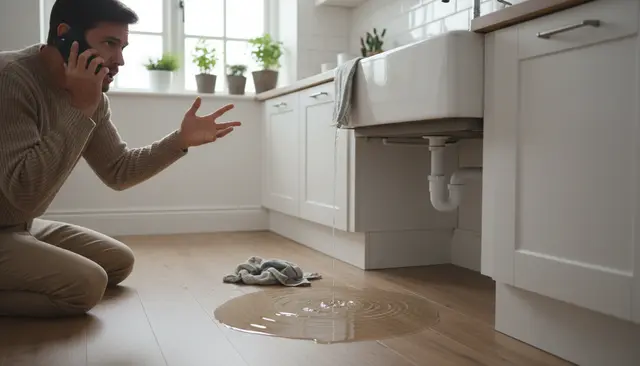
A plumbing emergency can be stressful, whether it's a burst pipe, a leaking boiler, or a completely blocked drain. When you're in a panic, it's easy to forget crucial details that could help a plumber diagnose the problem even before they arrive. Knowing exactly what to tell an emergency plumber on the phone can significantly speed up their response and resolution time, potentially saving you money and further damage.
Why Clear Communication is Critical in a Plumbing Emergency
When you're calling an emergency plumber, time is often of the essence. The more accurate and detailed information you can provide upfront, the better prepared the plumber will be. This means they might bring specific tools or parts, allowing them to fix the issue on the first visit rather than needing to assess, leave for parts, and return. It also helps them prioritise urgent jobs and give you a more accurate estimate of arrival time and potential costs.
Key Information to Prepare Before You Call
Before you dial, take a moment to gather these essential pieces of information. Having them ready will make your call much more efficient and effective.
1. Your Contact Details and Location
- Full Address: Include house number/name, street, town, and postcode. This is vital for the plumber to find you quickly.
- Best Contact Number: Ensure it's a number you'll answer immediately, even if it's not your usual mobile.
- Name: Your full name for their records.
2. The Nature of the Emergency
Describe what's happening as clearly and concisely as possible. Use simple, direct language.
- What is the problem? E.g., "burst pipe", "boiler not heating water", "toilet overflowing", "drain blocked and backing up".
- When did it start? "Just now", "an hour ago", "this morning".
- Is it getting worse? "Water is spreading fast", "the leak is increasing", "the noise is louder".
3. Location of the Problem
Be specific about where the issue is occurring within your property.
- Specific Room: "Under the kitchen sink", "in the bathroom ceiling", "outside the back door", "in the airing cupboard".
- Fixture Involved: "The cold water pipe to the washing machine", "the toilet cistern", "the boiler's pressure relief valve".
4. Severity and Urgency
Help the plumber understand how critical the situation is.
- Is water actively leaking? If so, how fast? (e.g., "a drip", "a steady stream", "a gush").
- Is there significant water damage occurring? "Water is dripping through the ceiling", "the floorboards are soaked".
- Is there a risk of electrical damage? If water is near electrical outlets or appliances, this is a serious hazard.
- Is it a complete loss of essential services? "No hot water or heating", "no water pressure at all".
- Is there a smell of gas? If you suspect a gas leak, evacuate immediately, turn off your gas supply at the meter if safe to do so, and call the National Gas Emergency Service on 0800 111 999. Do NOT call a plumber first, and do NOT use any electrical switches. Gas and boiler internals must ONLY be worked on by a Gas Safe registered plumber.
5. What You've Already Done
Tell the plumber any steps you've taken to mitigate the problem.
- Have you turned off the main stopcock? If so, where is it located (e.g., "under the kitchen sink", "in the garage"). This is crucial for water leaks.
- Have you tried plunging a blocked drain?
- Have you reset your boiler?
- Have you turned off the electricity to affected areas?
6. Boiler/Heating System Type (if relevant)
If the issue involves your heating or hot water, provide details about your system.
- Type of Boiler: "Combi boiler", "system boiler", "conventional boiler with a hot water cylinder".
- Any Error Codes: Note down any codes displayed on your boiler.
- Age of System: A rough idea can be helpful.
7. Access Details
Consider how the plumber will get to your property and the problem area.
- Are you home? If not, can someone else provide access?
- Parking: Is there easy parking available?
- Any access restrictions? (e.g., "gated community", "need a key for the communal door").
What to Expect When Calling an Emergency Plumber
When you call, the plumber or dispatcher will likely ask you some or all of the questions above. They will also typically provide you with:
- An estimated arrival time: Emergency plumbers usually aim for a rapid response, often within 1-3 hours, but this can vary based on demand and location.
- Information on their call-out fee: For an emergency call-out in 2026, you can expect a fee ranging from roughly £80-£150, which may or may not include the first hour of labour. Always confirm this upfront.
- Confirmation of the next steps: They will tell you what to do while you wait.
Being prepared with this information will allow the plumber to quickly understand your situation and dispatch the right professional with the right tools. If you're looking for an emergency plumber near you, FixDelivered can help connect you with qualified local tradespeople quickly.
Finding a Reliable Emergency Plumber
In an emergency, finding a trustworthy and available plumber can be challenging. Platforms like FixDelivered make it easier. You can tell us your emergency, and we'll connect you with local, vetted plumbers who can respond quickly. Our transparent system means you'll know the plumber's call-out fee upfront, which is paid directly to them. We also offer a refundable booking fee if no plumber is found, giving you peace of mind.
By following these guidelines and having your information ready, you'll be well-prepared when calling an emergency plumber, helping to resolve your plumbing crisis as efficiently as possible.
Frequently asked questions
What's the most important information to give an emergency plumber?
The most important information is your full address and postcode, a clear description of the plumbing problem (e.g., 'burst pipe under kitchen sink'), and whether you've taken any steps like turning off the main stopcock. This helps them locate you, understand the severity, and prepare for the job.
Should I turn off my water supply before calling a plumber?
Yes, if you have a significant water leak or burst pipe, you should immediately turn off your main stopcock to prevent further water damage. Inform the plumber you've done this when you call.
What if I smell gas?
If you suspect a gas leak, do NOT call a plumber first. Evacuate your property immediately, turn off your gas supply at the meter if it's safe to do so, and then call the National Gas Emergency Service on 0800 111 999. Do not use any electrical switches or open flames. Gas and boiler internals must ONLY be worked on by a Gas Safe registered engineer.
Need a plumber now? Tell us your emergency and FixDelivered will find and confirm an available local plumber near you, usually within the hour.
Written by the FixDelivered Team. Reviewed by Rupert Lowe, Editor. Last updated 2026-09-06.