Leaking Radiator Fix: Stop the Drip & Prevent Damage
By The FixDelivered Team · Updated 2026-09-07 · 7 min read
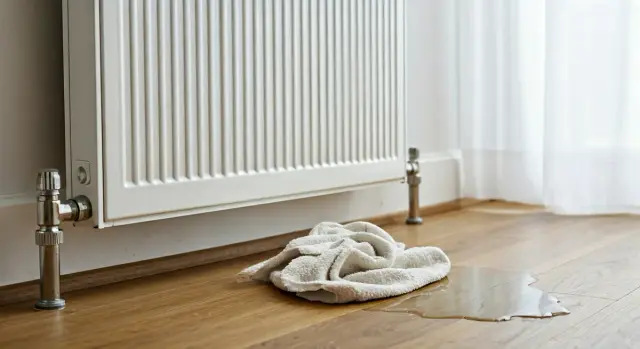
A leaking radiator can be more than just an annoyance; it can lead to significant water damage, damp, and higher energy bills if not addressed promptly. While some minor leaks can be tackled by a competent DIYer, others require immediate professional attention. This guide will walk you through the steps to safely stop a leak, identify its source, and determine the best course of action for a lasting repair.
Immediate Action: Stop the Leak Safely
Your first priority is to minimise water damage. Act quickly but safely.
- Turn Off Your Central Heating: Switch off your boiler or central heating system immediately. This stops hot water circulating through the radiators, reducing pressure and preventing further expansion which can worsen a leak.
- Contain the Water: Place old towels, a bucket, or a basin directly beneath the leak. If the leak is significant, use multiple towels and change them regularly.
- Isolate the Radiator: Most radiators have two valves, one at each end, which control the flow of water in and out. Turn both valves clockwise as far as they will go to shut off the water supply to that specific radiator. You might need a spanner for the lockshield valve (often covered by a cap and requires an adjustable spanner or specific radiator valve key to turn).
- Consider Draining (if necessary): For some repairs, you may need to drain the radiator. If so, ensure the heating is off and cold, then open the bleed valve at the top of the radiator to let air in. Place your bucket under the drain valve (usually at the bottom, opposite the TRV) and open it. Be prepared for a lot of water, which will likely be dirty.
Pinpointing the Leak: Common Sources
Once the leak is contained and the radiator isolated, you need to find the exact source. This will dictate whether it's a DIY job or needs a professional.
- Valve Spindle: The spindle is the rod that goes into the valve body. Leaks here are often minor drips.
- Gland Nut: This nut is located at the base of the valve spindle. Over time, the packing inside can wear down, causing leaks.
- Bleed Valve: Located at the top of the radiator, this valve is used to release air. If it's loose or faulty, it can drip.
- Pipe Connections: The nuts connecting the pipes to the radiator valves can loosen over time, leading to drips.
- Radiator Body/Panel: Leaks from the main body of the radiator, particularly pinholes or cracks, often indicate corrosion and are usually more serious.
- Seams/Welds: Leaks can sometimes appear along the welded seams of the radiator panels.
DIY Fixes for Minor Leaks
For small, isolated leaks from valves or connections, a DIY fix might be possible. Always ensure the radiator is cold and isolated before attempting any repairs.
Tightening Loose Connections
This is the simplest fix for leaks from valve connections or the gland nut.
- Tools Needed: Adjustable spanner, old towels.
- Safety Cautions: Ensure the heating is off and the radiator is cool. Do not overtighten, as this can damage threads or crack components.
- Steps:
- With the radiator isolated and cool, gently tighten the nuts connecting the pipes to the radiator valves using an adjustable spanner.
- For a leak from the gland nut (at the base of the valve spindle), gently tighten it.
- Wipe the area dry and keep a close eye on it for a few hours after restarting the heating to ensure the leak has stopped.
- When to Call a Professional: If tightening doesn't stop the leak, or if you feel resistance and fear overtightening, it's best to call a plumber.
Replacing a Faulty Bleed Valve
If the leak is clearly coming from the bleed valve itself, it might need replacing.
- Tools Needed: Radiator bleed key, adjustable spanner, PTFE tape, old towels, bucket.
- Safety Cautions: Ensure the heating is off and the radiator is cool. You will need to drain the radiator partially or fully.
- Steps:
- Isolate the radiator as described above.
- Place a bucket under the bleed valve. Use your bleed key to slowly open the valve and drain some water until the pressure drops and the water stops flowing. You may need to drain the entire radiator if the valve is at the bottom or if it's a persistent leak.
- Once drained, unscrew the old bleed valve (it may be tight).
- Wrap the threads of the new bleed valve with 3-5 layers of PTFE tape in a clockwise direction.
- Screw the new bleed valve into place, tightening it firmly with an adjustable spanner, but do not overtighten.
- Close the bleed valve, reopen the radiator isolation valves, and then bleed the radiator of any air once the heating system is back on.
- When to Call a Professional: If you're unsure about draining the radiator, can't remove the old valve, or if the leak persists after replacement.
Note on Sealants: While temporary radiator leak sealants are available, they are generally a short-term fix and can sometimes cause problems by clogging your system. They are not a substitute for a proper repair.
When to Call a Professional Plumber
Some radiator leaks are beyond a DIY fix and require the expertise of a qualified plumber. You should always call a professional if:
- The Leak is from the Radiator Body: Pinholes, cracks, or leaks from the main panels or seams usually indicate internal corrosion. These are very difficult to repair effectively and often mean the radiator needs replacing.
- The Leak is Persistent or Significant: If a minor leak recurs or if the leak is a steady stream rather than a drip, it's best to get professional help to prevent further damage.
- You're Unsure of the Cause: If you can't identify the exact source of the leak, a plumber has the tools and experience to diagnose it quickly.
- It Involves Your Boiler or Gas System: If the leak seems to be related to your boiler or any gas pipework, you must contact a Gas Safe registered plumber immediately. Never attempt to work on gas appliances yourself.
- You Lack Confidence: If you're uncomfortable with any of the DIY steps, it's always safer to call a professional.
A plumber can quickly diagnose the issue, provide a lasting repair, or advise on replacement. For minor repairs, you might expect to pay an average call-out fee of £80-£120 during working hours. For more complex issues like valve replacement, expect parts and labour to bring the total to £100-£200. A full radiator replacement could range from £200-£400, depending on the radiator type and complexity. For urgent leaks, you can find emergency plumbers near you quickly through FixDelivered.
Why Do Radiators Leak? Understanding the Causes
Understanding why your radiator is leaking can help prevent future issues:
- Corrosion: Over time, the inside of your central heating system can corrode, leading to rust. This rust can create weak spots, causing pinhole leaks or cracks in the radiator body.
- Loose Connections: Vibrations from the heating system or general wear and tear can cause the nuts connecting pipes to valves to loosen, leading to drips.
- Faulty Valves: Radiator valves contain seals and washers that can degrade over time, causing leaks from the spindle, gland nut, or bleed valve.
- System Pressure: Incorrect system pressure can sometimes put undue stress on components, exacerbating existing weaknesses.
Preventing Future Radiator Leaks
A little preventative maintenance can go a long way:
- Add Central Heating Inhibitor: This chemical helps prevent corrosion and sludge buildup within your system, significantly extending the life of your radiators and boiler.
- Bleed Radiators Regularly: Bleeding radiators removes trapped air, which can contribute to corrosion and reduce heating efficiency. You can find more our plumbing emergency guides for maintaining your system.
- Regular Boiler Servicing: A professional service technician can check your entire heating system, including radiators and pipework, for potential issues before they become major problems.
- Check Radiator Valves: Periodically inspect your radiator valves for any signs of wear or minor drips and tighten connections if necessary.
A leaking radiator needs prompt attention. While some minor issues can be a straightforward DIY fix, knowing when to call in the experts is crucial for safety and to prevent costly damage. If you need a qualified local plumber fast, you can tell us your emergency and we'll connect you with professionals in your area. To understand how FixDelivered works, visit our dedicated page.
Frequently asked questions
Can I use sealant to fix a radiator leak?
Radiator leak sealants are generally a temporary solution and not recommended for a permanent fix. They can sometimes cause blockages in your central heating system. It's always best to properly repair or replace the faulty component.
How much does it cost to fix a leaking radiator in the UK?
Costs vary, but as a rough guide for 2026, a plumber's call-out fee is typically £80-£120. A minor repair like tightening a connection might just incur the call-out fee. Replacing a valve could cost £100-£200 including parts and labour. A full radiator replacement might range from £200-£400.
Why do radiators leak from the bottom?
Leaks from the bottom of a radiator often indicate internal corrosion leading to pinholes or cracks in the radiator panel or a faulty connection where the pipe enters the radiator valve. Leaks from the main body usually require professional replacement.
Is a leaking radiator dangerous?
While a small drip might not be immediately dangerous, it can cause significant water damage, damp, mould growth, and potentially damage electrical wiring if left unchecked. Hot water can also cause burns. Leaks near a boiler or gas connection are especially dangerous and require immediate professional attention from a Gas Safe registered engineer.
How often should I bleed my radiators?
You should bleed your radiators whenever you notice cold spots at the top of the radiator, which indicates trapped air. Generally, bleeding them once a year before the heating season starts is a good preventative measure.
Need a plumber now? Tell us your emergency and FixDelivered will find and confirm an available local plumber near you, usually within the hour.
Written by the FixDelivered Team. Reviewed by Rupert Lowe, Editor. Last updated 2026-09-07.