Appliance Flood: First Steps & Emergency Fixes UK
By The FixDelivered Team · Updated 2026-09-07 · 7 min read
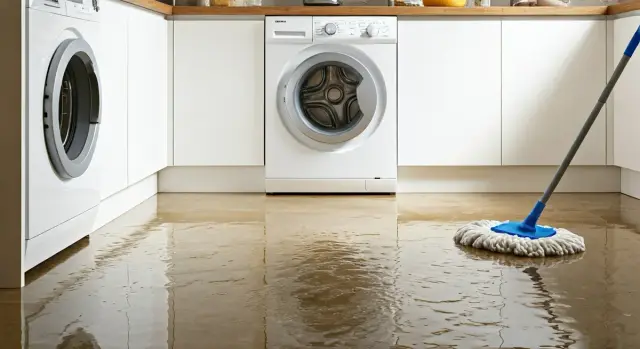
A sudden flood from your washing machine or dishwasher can be a homeowner's nightmare. Water can quickly cause extensive damage to flooring, cupboards, and even structural elements of your home. Knowing precisely what to do in the first few minutes can significantly reduce the impact and cost of repairs. This guide provides clear, actionable steps for a UK audience to handle an appliance flood safely and effectively.
Safety First: Electrical Hazards
Before you do anything else, your absolute priority is electrical safety. Water and electricity are a dangerous combination, and wading into a flooded area with live appliances is extremely risky.
- Turn off the power: Locate your home's consumer unit (fuse box) and switch off the main power supply immediately. If you cannot reach the consumer unit safely due to water, or if you are unsure, do not proceed. If the appliance is plugged into a wall socket that is dry and easily accessible, you can try unplugging it, but only if it's safe to do so without touching water.
- Do not touch the appliance: Until the power is confirmed off, avoid touching the washing machine or dishwasher, or any electrical cables near the water.
Step 1: Stop the Water Flow
Once the power is off, your next critical step is to stop the source of the water.
- Identify the appliance: Confirm whether it's your washing machine or dishwasher causing the flood.
- Turn off the appliance's isolation valve: Both washing machines and dishwashers have individual isolation valves (small taps) on their water supply pipes. These are typically located under the sink, behind the appliance, or in a nearby cupboard. Turn the handle clockwise until it's tight to shut off the water supply to that specific appliance.
- If you can't find or turn the isolation valve: If the isolation valve is inaccessible, broken, or you simply can't locate it, you'll need to turn off your home's main stopcock. This usually stops all water supply to your property. The main stopcock is commonly found under the kitchen sink, in a downstairs toilet, or near the water meter outside your property. Turn it clockwise until the water stops.
Step 2: Contain and Remove the Water
With the water flow stopped, focus on limiting damage by removing the standing water as quickly as possible.
- Grab towels and buckets: Start soaking up water immediately. Focus on preventing water from spreading to other rooms or seeping under floorboards.
- Use a wet/dry vacuum cleaner: If you have one, a wet/dry vacuum is incredibly effective at removing large volumes of water quickly. Ensure it's safe to use, especially if the floor is still damp.
- Mop and sponge: For smaller puddles, mops and sponges can help dry the area.
- Move items to safety: Lift any furniture, rugs, or other items out of the flooded area to prevent water damage.
Step 3: Document the Damage
This step is crucial for any potential insurance claims.
- Take photos and videos: Use your phone to document the extent of the flood, the water source, and all affected areas. Take pictures from different angles.
- Note the time and date: Keep a record of when the incident occurred and the steps you took.
- Identify affected items: Make a list of everything that has been damaged, including flooring, skirting boards, cupboards, and personal belongings.
Step 4: Dry and Ventilate the Area
After removing as much water as possible, thorough drying is essential to prevent mould growth and further damage.
- Open windows and doors: Create a draught to help air circulate and dry out the area.
- Use fans and dehumidifiers: If available, these can significantly speed up the drying process. Place fans to blow air across the damp surfaces.
- Check hidden areas: Inspect under cupboards, behind kickboards, and any other concealed spaces where water might have collected.
Tools You'll Need
Having these items ready can make a flood emergency much easier to manage:
- Bucket(s)
- Old towels or rags
- Mop and sponge
- Wet/dry vacuum cleaner (optional, but highly recommended)
- Torch (for inspecting dark areas)
- Camera/smartphone (for documentation)
Common Causes of Appliance Floods
Understanding why these floods happen can help with prevention:
- Hose leaks: The most common cause. Supply hoses can crack or become loose over time, and drain hoses can become blocked or detached.
- Door seal issues: Worn or damaged door seals on both washing machines and dishwashers can lead to leaks.
- Internal component failure: Issues with pumps, valves, or internal pipes can cause water to escape.
- Blockages: A blocked drain pump or filter can cause water to back up and overflow.
- Overfilling: Faulty pressure sensors can cause the appliance to overfill with water.
When to Call a Professional Plumber
While these DIY steps can help mitigate immediate damage, a professional plumber is often required to resolve the underlying issue and assess any hidden damage.
- You cannot stop the water: If you've tried turning off the isolation valve and the main stopcock, but water is still flowing, call for help immediately.
- Significant flooding: If the flood is extensive, covering a large area, or has seeped into walls or under floorboards, professional help is crucial for thorough drying and damage assessment.
- Electrical concerns: If you suspect water has come into contact with electrical outlets or wiring, or if you are unsure about turning off the power safely, do not take risks.
- Hidden leaks: If the source of the leak isn't obvious, a plumber can diagnose the problem.
- Damage to gas appliances: While a washing machine or dishwasher flood typically doesn't involve gas, if the water has affected a nearby boiler or gas hob, it is imperative that any inspection or work on gas appliances is carried out by a Gas Safe registered engineer.
When you need a qualified professional fast, FixDelivered can connect you with emergency plumbers near you.
Preventing Future Appliance Floods
A little preventative maintenance can save you a lot of hassle and money.
- Regular hose inspection: Check supply and drain hoses annually for cracks, bulges, or loose connections. Replace them every 3-5 years, especially rubber hoses.
- Don't overload: Overloading can put strain on the appliance and its seals.
- Proper installation: Ensure appliances are installed correctly, with hoses securely fitted and no kinks.
- Clean filters: Regularly clean the appliance's filter to prevent blockages.
- Consider water leak detectors: Affordable devices can alert you to the presence of water, giving you an early warning.
Cost of Repairing an Appliance Flood in 2026 (UK)
Costs can vary significantly depending on the extent of the damage and location within the UK. As a rough guide:
- Emergency Plumber Call-Out: Typically ranges from £80-£150 during normal working hours. For evenings, weekends, or bank holidays, this can increase to £150-£300 or more.
- Hourly Rates: Once on-site, plumbers usually charge £60-£90 per hour.
- Simple Repair (e.g., hose replacement): Expect to pay £100-£250, covering parts and labour.
- More Complex Repairs: If internal components need replacing, costs could range from £200-£500+.
- Water Damage Restoration: If the flood has caused significant damage to flooring, cupboards, or walls, the cost of restoration can run into hundreds or even thousands of pounds. This is where home insurance becomes vital.
Most home insurance policies cover sudden and accidental water damage, but it's essential to check your specific policy details. When you book a plumber through FixDelivered, the booking fee is refundable if no plumber is found, and the plumber's callout fee is agreed upfront and paid directly to them. Learn more about how FixDelivered works.
Finding a Reliable Plumber
In an emergency, finding a trustworthy and skilled plumber quickly is paramount. FixDelivered helps you connect with qualified local plumbers who can respond to your crisis efficiently. Don't let an appliance flood overwhelm you; take the correct immediate steps and then let a professional handle the rest. If you're facing an emergency right now, you can get a plumber now.
Frequently asked questions
What's the very first thing I should do if my washing machine or dishwasher floods?
The absolute first step is to turn off the power supply to your home at the consumer unit (fuse box) to prevent electrical hazards. Then, turn off the water supply to the appliance using its isolation valve or your home's main stopcock.
Where is the isolation valve for my washing machine or dishwasher?
The isolation valve is usually a small tap located on the water supply pipe for the appliance. It can often be found under the kitchen sink, behind the appliance itself (if accessible), or in a nearby cupboard. Turn it clockwise to shut off the water.
Will my home insurance cover water damage from an appliance flood?
Typically, most standard home insurance policies cover 'sudden and accidental' water damage caused by appliance leaks. However, policies vary, so it's crucial to check your specific terms and conditions. Always document the damage with photos and videos for your claim.
How can I prevent my washing machine or dishwasher from flooding in the future?
Regular maintenance is key. Inspect supply and drain hoses annually for wear and tear, and replace them every 3-5 years. Avoid overloading appliances, clean filters regularly, and ensure proper installation. Consider installing water leak detectors for early warnings.
Need a plumber now? Tell us your emergency and FixDelivered will find and confirm an available local plumber near you, usually within the hour.
Written by the FixDelivered Team. Reviewed by Rupert Lowe, Editor. Last updated 2026-09-07.