Unblock a Sink: Kitchen & Bathroom DIY Guide
By The FixDelivered Team · Updated 2026-09-11 · 7 min read
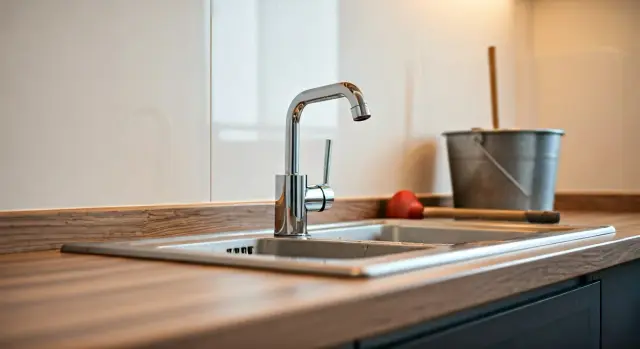
A blocked sink is one of the most common household plumbing nuisances, whether it's in your kitchen or bathroom. The good news is that many blockages can be resolved with a bit of DIY effort and some household items. This guide will walk you through the most effective methods to clear a blocked sink, safely and efficiently, for 2026.
Common Causes of Blocked Sinks
Understanding what causes a blockage can help you prevent future issues and tackle the current one more effectively. In kitchens, the main culprits are typically:
- Grease and Fat: Poured down the drain, they cool and solidify, clinging to pipe walls.
- Food Scraps: Even with a sink strainer, small particles can accumulate.
- Coffee Grounds: These don't dissolve and can clump together.
In bathrooms, the common causes are:
- Hair: A major contributor, especially when mixed with soap scum.
- Soap Scum: Builds up on pipe walls, trapping hair and other debris.
- Dental Floss and Small Objects: These should never go down the drain.
Before You Start: Safety First
Always prioritise safety when tackling DIY plumbing. Make sure you have:
- Rubber Gloves: To protect your hands from dirty water and cleaning agents.
- Eye Protection: Safety glasses are crucial, especially if using chemical cleaners or working under the sink.
- Ventilation: Open windows if using any strong cleaning solutions.
- Bucket and Towels: Keep these handy to catch any spills, especially when working on the P-trap.
Tools You'll Need
Depending on the method you choose, you might need some or all of these:
- Kettle or hot water from the tap
- Washing-up liquid
- Baking soda (bicarbonate of soda)
- White vinegar
- Plunger (cup-style for sinks)
- Drain snake or auger (manual or small hand-crank)
- Adjustable spanner or pipe wrench
- Bucket
- Old toothbrush or small brush (for cleaning P-trap)
DIY Methods to Unblock a Sink
1. The Boiling Water & Washing-Up Liquid Flush
This is often the simplest and first method to try for minor grease blockages.
- Remove Standing Water: If your sink is full, carefully scoop out as much standing water as possible.
- Pour Washing-Up Liquid: Squeeze about half a cup of washing-up liquid directly into the drain.
- Add Boiling Water: Carefully pour a kettle full of boiling water (or very hot tap water for ceramic sinks to avoid cracking) down the drain.
- Wait and Flush: Let it sit for 20-30 minutes, allowing the washing-up liquid to break down grease and the hot water to melt it. Then, flush with hot tap water. Repeat if necessary.
2. The Baking Soda & Vinegar Method
An eco-friendly alternative that creates a fizzing reaction to dislodge blockages.
- Clear Water: Remove any standing water from the sink.
- Pour Baking Soda: Pour one cup of baking soda (bicarbonate of soda) down the drain.
- Add Vinegar: Follow with one cup of white vinegar.
- Cover and Wait: Immediately cover the drain with a stopper or a cloth to contain the chemical reaction. Let it sit for 30 minutes to an hour.
- Flush: Finish by flushing the drain with a kettle of boiling water.
3. The Plunger Technique
A classic for a reason, a plunger uses suction to dislodge clogs.
- Fill with Water: If there's no standing water, fill the sink with enough water to cover the bell of the plunger.
- Create a Seal: Place the plunger firmly over the drain, ensuring a good seal. If you have a double sink, block the second drain with a wet cloth or stopper. For sinks with an overflow, block this with a wet cloth too.
- Plunge Vigorously: Pump the plunger up and down rapidly for about 20-30 seconds, maintaining the seal.
- Check and Repeat: Quickly pull the plunger up to break the seal and see if the water drains. If not, repeat the process several times.
4. Cleaning the P-Trap
Often, the blockage is located in the U-shaped pipe directly beneath your sink, known as the P-trap. This method is for kitchen and bathroom sinks.
- Prepare: Place a bucket directly underneath the P-trap to catch water and debris.
- Loosen Nuts: Using an adjustable spanner or by hand, carefully loosen the slip nuts on both ends of the P-trap.
- Remove P-Trap: Gently slide the P-trap off the pipes. Be prepared for water to drain into your bucket.
- Clean the Trap: Use an old toothbrush, a small brush, or even your finger to remove any gunk, hair, or food particles from inside the P-trap. Clean it thoroughly.
- Reassemble: Reattach the P-trap, ensuring the slip nuts are tightened securely (hand-tight then a quarter turn with a spanner is usually sufficient to prevent leaks, but don't overtighten).
- Test for Leaks: Run the tap slowly at first, checking for any drips around the connections. If you see leaks, tighten the nuts slightly more.
5. Using a Drain Snake or Auger
For deeper clogs beyond the P-trap, a drain snake can be highly effective.
- Insert Snake: Feed the end of the snake into the drain opening. If you've removed the P-trap, you can feed it directly into the wall pipe.
- Advance and Crank: Push the snake forward until you feel resistance. Once you hit the blockage, crank the handle (if it's a hand-crank model) to allow the auger head to bore into or hook the clog.
- Pull Out Clog: Gently pull the snake back, hopefully bringing the blockage with it.
- Flush: Run hot water down the drain to clear any remaining debris.
6. Chemical Drain Cleaners (Use with Caution)
While effective, chemical drain cleaners should be a last resort due to their corrosive nature, potential damage to pipes, and environmental concerns. Always follow the manufacturer's instructions precisely, wear gloves and eye protection, and ensure good ventilation. Never mix different chemical cleaners, as this can create dangerous fumes.
Preventing Future Blockages
Prevention is always better than cure:
- Use Strainers: Place a sink strainer in both kitchen and bathroom sinks to catch food particles and hair.
- Avoid Pouring Grease: Never pour cooking oil or fat down the kitchen sink. Let it cool and solidify, then scrape it into the bin.
- Scrape Plates: Scrape food scraps into the bin before washing dishes.
- Regular Flushing: Once a week, flush your drains with very hot water to help prevent build-up.
- Baking Soda & Vinegar Maintenance: A monthly treatment with baking soda and vinegar can help keep drains clear.
When to Call a Professional
While DIY methods are often successful, there are times when calling in the experts is the best course of action. You should consider contacting a plumber if:
- The blockage persists after trying several DIY methods.
- Multiple drains are blocked in your home, which could indicate a deeper issue in your main waste pipe.
- Foul odours are emanating from your drains, suggesting a significant build-up or sewage issue.
- You're uncomfortable working with plumbing or lack the right tools.
- You suspect there might be a more serious underlying problem with your pipes.
A professional plumber has specialist equipment, such as powerful drain snakes, hydro-jetters, and CCTV cameras, to accurately diagnose and clear even the most stubborn or distant blockages. For a typical blocked sink, a professional unblocking service in the UK might cost between £80 and £150, depending on the complexity and your location in 2026.
How FixDelivered Can Help
If you've tried everything and your sink remains stubbornly blocked, FixDelivered can connect you with qualified local plumbers quickly. Simply tell us your emergency, and we'll help you find a local plumber who can resolve the issue efficiently. Our service helps you get an expert to your door when you need them most, and you can learn more about how FixDelivered works.
Conclusion
A blocked sink doesn't have to be a major crisis. By following these practical steps, you can tackle most common blockages yourself. Remember to always prioritise safety and know when it's time to call in a professional. With a little maintenance, you can keep your drains free-flowing and avoid future headaches.
Frequently asked questions
How long does it take for baking soda and vinegar to unblock a sink?
Allow the baking soda and vinegar mixture to sit in the drain for at least 30 minutes, or even up to an hour, for the best results. Follow by flushing with boiling water.
Can I use chemical drain cleaner in a toilet?
No, chemical drain cleaners are generally not recommended for toilets as they can damage porcelain and plastic components. A toilet plunger or a toilet auger is a safer and more effective solution for toilet blockages.
What should I do if my sink is blocked and the water won't drain?
First, remove as much standing water as possible. Then, try the boiling water and washing-up liquid method, followed by baking soda and vinegar, or a plunger. If these don't work, cleaning the P-trap or using a drain snake are the next steps. If the problem persists, it's time to contact a professional plumber.
How much does a plumber charge to unblock a sink in the UK?
As a rough guide for 2026, the cost for a plumber to unblock a sink in the UK typically ranges from £80 to £150 for a standard call-out, depending on the severity of the blockage and your location.
Need a plumber now? Tell us your emergency and FixDelivered will find and confirm an available local plumber near you, usually within the hour.
Written by the FixDelivered Team. Reviewed by Rupert Lowe, Editor. Last updated 2026-09-11.