How to Safely Reset Your Boiler & Understand Fault Codes
By The FixDelivered Team · Updated 2026-09-12 · 6 min read
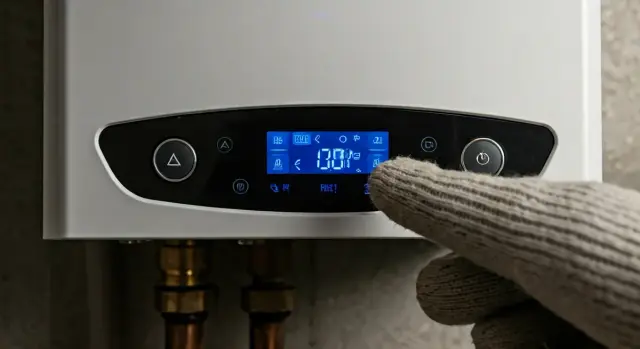
A boiler that stops working can be a real headache, especially during colder months. Often, a quick reset can resolve minor glitches and get your heating and hot water back on track. However, it's crucial to understand when a reset is appropriate and, more importantly, when it's a sign of a more serious problem requiring a qualified engineer. This guide will walk you through safely resetting your boiler and understanding common fault codes.
Why Your Boiler Might Need a Reset
Modern boilers are complex appliances with built-in safety features. When they detect a problem, they'll often shut down to prevent damage or unsafe operation. This shutdown is typically indicated by a fault code displayed on the boiler's screen and sometimes a flashing light. Common reasons a boiler might lock out and require a reset include:
- Temporary power cut: A brief interruption to the electricity supply can sometimes cause the boiler's internal computer to lose its settings.
- Low water pressure: If the system pressure drops below the recommended level (usually between 1 and 1.5 bar), the boiler will often lock out as a safety measure.
- Minor ignition failure: Sometimes, the boiler might fail to ignite on the first attempt due to a temporary airlock or sensor issue.
- Overheating: If the boiler's temperature sensors detect an unsafe rise in temperature, it will shut down.
- Blocked condensate pipe: In condensing boilers, the condensate pipe can freeze in cold weather, causing a blockage and subsequent lockout.
When to Reset Your Boiler – And When Not To (Safety First!)
When a Reset Might Help
A reset is generally safe to attempt if:
- Your boiler has locked out after a power cut.
- You've recently repressurised your boiler system yourself and now need to clear the lockout.
- The fault code indicates a temporary or minor issue, and your boiler manual suggests a reset as the first troubleshooting step.
- There are no other concerning symptoms like strange noises, smells, or leaks.
Crucial Safety Warnings – When to Call a Professional Immediately
Never attempt to reset your boiler if you notice any of the following:
- Smell of gas: This is an emergency. Turn off your gas supply at the meter, open windows and doors, and call the National Gas Emergency Service (0800 111 999) and a Gas Safe registered plumber immediately. Do not use electrical switches or mobile phones.
- Water leaks: Any water leaking from the boiler or pipework could indicate a serious internal fault or a compromised seal.
- Repeated lockouts: If your boiler locks out frequently or immediately after a reset, it signals an underlying problem that needs professional diagnosis.
- Strange noises: Banging, gurgling, or grinding noises could indicate pump issues, air in the system, or other mechanical failures.
- No hot water or heating after a reset: If the reset doesn't resolve the issue, further investigation is needed.
Remember: For anything involving gas, always consult a Gas Safe registered plumber. Attempting to repair gas appliances yourself is extremely dangerous and illegal.
How to Safely Reset Your Boiler (DIY Guide)
Before you begin, always refer to your boiler's instruction manual. The exact procedure varies by model and manufacturer.
Tools You'll Need:
- Your boiler's instruction manual (essential!)
Steps to Reset Your Boiler:
- Locate the Reset Button: This is usually a clearly marked button on the boiler's control panel, often labelled 'Reset', 'R', or with a flame symbol with a cross through it.
- Consult Your Manual: Double-check the manual for your specific boiler model. It will confirm the exact location and the required reset procedure (e.g., press and hold for 3 seconds, press once, etc.).
- Press and Hold (or Press): Follow the manual's instructions. You might hear a click or the boiler might attempt to restart.
- Wait: Give the boiler a few minutes to go through its ignition sequence. It should then either start working normally or display a new (or the same) fault code.
- Check Pressure (if applicable): If low pressure was the issue, ensure you've repressurised the system correctly before resetting.
Safety Cautions:
- Ensure your hands are dry when touching electrical components.
- Be aware that boiler surfaces can be hot.
- If you smell gas at any point, stop immediately and follow the safety warnings above.
When to Call a Professional
If the boiler doesn't reset, resets but immediately locks out again, or if you're unsure at any stage, it's time to call a qualified professional. You can quickly find a local plumber through FixDelivered.
Understanding Common Boiler Fault Codes
Boiler fault codes are diagnostic messages that help identify what's wrong. While specific codes vary by manufacturer (e.g., Vaillant F.XX, Worcester Bosch E.XX, Baxi E.XX), they generally point to categories of issues:
- Ignition/Flame Failure: The boiler tried to ignite but failed (e.g., no gas supply, faulty electrode).
- Low Pressure: The system pressure is too low for safe operation.
- Overheating: The boiler has detected an abnormally high temperature.
- Fan Fault: Problems with the fan that expels combustion gases.
- Sensor Fault: A temperature or pressure sensor is malfunctioning.
- Condensate Pipe Blockage: Common in condensing boilers, especially in winter.
Always check your boiler manual for the precise meaning of any fault code. It will often suggest initial troubleshooting steps before advising a professional call-out.
What Happens If Your Boiler Won't Reset?
If your boiler fails to reset or the fault code reappears immediately, do not keep attempting to reset it. This could potentially worsen the problem or mask a serious underlying issue. At this point, it's critical to call a Gas Safe registered engineer. They have the expertise and specialist tools to diagnose and safely repair the fault.
Professional Boiler Repair Costs (2026 UK Guide)
The cost of professional boiler repair in the UK typically varies based on the issue, parts needed, your location, and the urgency of the call-out. As a rough guide for 2026:
- Call-out fee: Expect to pay between £80 and £150 for an engineer to diagnose the fault. Some engineers may waive this if you proceed with the repair.
- Minor repairs (e.g., repressurising, clearing condensate pipe): £100 - £250, including call-out.
- Medium repairs (e.g., replacing a sensor, minor pump issue): £200 - £450, depending on parts.
- Major repairs (e.g., replacing a diverter valve, heat exchanger): £400 - £800+, depending on the complexity and cost of parts.
These are estimates, and it's always best to get a clear quote upfront. For urgent issues, you'll need emergency plumbers near you.
FixDelivered connects you with qualified, local emergency plumbers who can quickly diagnose and fix your boiler issues. Our transparent process means you agree to the plumber's call-out fee upfront, and we offer a refund of our booking fee if we can't find a plumber for your specific emergency. Learn more about how FixDelivered works and get your boiler back in action safely.
Frequently asked questions
What does a boiler reset button do?
The reset button clears any minor faults or temporary lockouts in your boiler's system, allowing it to attempt to restart its normal operation. It's like restarting a computer when it's acting up.
How long should I hold the boiler reset button?
The duration varies by boiler model. Typically, you'll need to press and hold it for 1-5 seconds, or sometimes just a quick press. Always refer to your boiler's instruction manual for the exact procedure.
What does it mean if my boiler keeps locking out after a reset?
If your boiler repeatedly locks out after a reset, it indicates a persistent underlying fault that requires professional attention. Do not keep resetting it; call a Gas Safe registered engineer to diagnose and repair the issue safely.
Can I fix a boiler fault code myself?
For some very minor issues, like low pressure (which you can often repressurise yourself) or a frozen condensate pipe (which you can thaw), a reset might resolve the problem. However, for most fault codes, especially those related to gas, ignition, or internal components, you should always consult a Gas Safe registered engineer for safety.
Need a plumber now? Tell us your emergency and FixDelivered will find and confirm an available local plumber near you, usually within the hour.
Written by the FixDelivered Team. Reviewed by Rupert Lowe, Editor. Last updated 2026-09-12.