Repressurise Your Combi Boiler: UK DIY Guide
By The FixDelivered Team · Updated 2026-09-13 · 6 min read
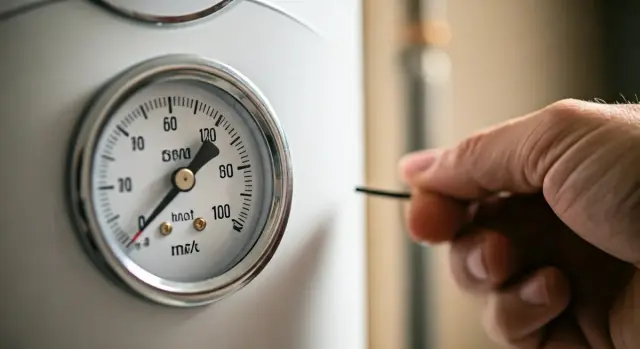
If your combi boiler isn't providing heating or hot water, or is displaying an error code, low pressure is often the culprit. Most combi boilers need to maintain a specific pressure to function correctly, typically between 1.0 and 1.5 bar when the system is cold. This guide will walk you through the process of safely repressurising your boiler, helping you get your heating and hot water back on.
What is Combi Boiler Pressure and Why Does it Matter?
Your combi boiler and central heating system is a sealed unit, meaning the water inside circulates without external air. Pressure in this system is essential for moving water efficiently through your radiators and heat exchanger. If the pressure drops too low, the boiler's safety mechanism will prevent it from firing up, protecting it from damage.
Why Does Combi Boiler Pressure Drop?
It's normal for boiler pressure to drop slightly over time, but significant or frequent drops usually indicate an issue. Common reasons include:
- Bleeding radiators: Releasing air from radiators also releases a small amount of water, which can lower system pressure.
- Minor leaks: Small, unnoticed leaks in pipes, radiators, or the boiler itself can cause a gradual pressure drop.
- Expansion vessel issues: The expansion vessel helps absorb pressure fluctuations. If it's faulty, pressure can become unstable.
- Boiler service/maintenance: Sometimes, after servicing, the system may need to be repressurised.
Safety First: Before You Start
Before attempting any DIY, always prioritise safety. This guide is for repressurising the system only. Never attempt to open your boiler's casing or tamper with its internal components. If you suspect a fault beyond low pressure, or if your boiler is gas-related, you must contact a Gas Safe registered plumber.
- Read your boiler manual: Every boiler model is slightly different. Your manual will have specific instructions for your unit's filling loop and pressure requirements.
- Turn off your boiler: Switch off your boiler at the mains and allow it to cool down completely. This prevents airlocks and ensures accurate pressure readings.
- Locate the filling loop: This is a key component for repressurising. It's usually a flexible metal or reinforced plastic hose with two valves, connecting your main water supply to your central heating system.
Types of Filling Loops
There are generally two types of filling loops:
- External filling loop: A visible, often braided hose connecting two pipework points underneath your boiler. You'll need to manually connect and disconnect this type on some older systems.
- Internal filling loop: Integrated within the boiler's casing, controlled by a single lever or two separate valves. This is common in newer models.
Tools You'll Need
- A small flathead screwdriver (some filling loop valves require this).
- A cloth or towel (to catch any drips).
Step-by-Step Guide to Repressurising Your Combi Boiler
Follow these steps carefully to safely restore your boiler's pressure:
- Turn off and cool down your boiler: As mentioned, ensure your boiler is switched off at the mains and has cooled down.
- Locate the pressure gauge: This is typically on the front of your boiler, often a circular dial with a needle or a digital display. Note the current reading.
- Locate the filling loop: Find the external or internal filling loop. If it's external, ensure it's securely attached between the two designated pipe connections.
- Open the filling loop valves: This is the crucial step. You need to open *both* valves associated with the filling loop.
- External filling loop: Slowly turn both valves (one on the main water pipe, one on the heating pipe) anti-clockwise until they are fully open. You should hear water entering the system.
- Internal filling loop: If it's a single lever, turn it to the 'open' position. If it's two valves, open both slowly.
- Watch the pressure gauge: Keep a close eye on the pressure gauge as it rises. Aim for a reading between 1.0 and 1.5 bar (when cold). Do not over-pressurise.
- Close the filling loop valves: As soon as the pressure reaches the desired level, immediately close *both* valves. Turn them clockwise until they are fully shut. This is critical to prevent over-pressurising and potential damage.
- Disconnect (if external): If you have an external filling loop, carefully disconnect it. There might be a small amount of water spillage, so have your towel ready. Store the filling loop in a safe place, as you'll need it again.
- Turn your boiler back on: Switch your boiler back on at the mains. It should now fire up and operate normally. If it displays an error code, consult your manual or the 'When to call a professional' section below.
What to do After Repressurising
- Check for leaks: Briefly inspect the area around the filling loop and under the boiler for any drips.
- Bleed radiators (if needed): If your radiators still feel cold at the top after the boiler has been running for a while, you may need to bleed them to release trapped air. Remember that bleeding radiators can slightly reduce pressure again, so monitor your gauge.
When to Call a Professional
While repressurising is a common DIY task, some situations require expert help. You should contact a qualified plumber if:
- The pressure drops again quickly: If you find yourself repressurising your boiler frequently (e.g., weekly or monthly), it indicates a persistent leak or a fault within the system that needs professional diagnosis.
- You cannot locate or operate the filling loop: If you're unsure or unable to find or use your boiler's filling loop, it's safer to call an expert.
- There's no water coming through: If you open the valves but the pressure doesn't rise, there might be a blockage or issue with your mains water supply.
- The boiler is still not working: If the boiler fails to fire up, displays an error code, or makes unusual noises after repressurising, there's likely an underlying fault.
- You see visible leaks: Any signs of water leaking from the boiler, pipes, or radiators require immediate attention from a professional.
- You're uncomfortable or unsure: If at any point you feel out of your depth, it's always best to stop and call for help.
For persistent issues or if you need an expert, FixDelivered can help you find emergency plumbers near you quickly. You can learn more about how FixDelivered works and book a vetted professional with an upfront agreed callout fee.
Preventing Future Pressure Drops
Regular maintenance can help prevent frequent pressure drops:
- Annual boiler service: A qualified engineer will check for potential issues, including the integrity of your system.
- Check for visible leaks: Periodically inspect radiators and pipework for any damp spots or drips.
- Don't over-bleed radiators: Only bleed radiators when necessary, and be mindful that it will affect pressure.
Knowing how to repressurise your combi boiler is a valuable skill for any homeowner. By following these steps, you can often resolve common low-pressure issues yourself. However, remember that persistent problems usually indicate a deeper issue requiring a qualified professional. If you need to get a plumber now, FixDelivered connects you with reliable, local experts.
Frequently asked questions
What should my combi boiler pressure be?
Typically, your combi boiler's pressure gauge should read between 1.0 and 1.5 bar when the system is cold. When the system is hot and running, it's normal for the pressure to rise slightly, often up to 2.0 bar.
How often should I repressurise my boiler?
You shouldn't need to repressurise your boiler very often. If you find yourself doing it more than once every few months, it likely indicates a persistent leak or another underlying issue that requires a professional plumber's investigation.
What happens if I over-pressurise my combi boiler?
If you over-pressurise your boiler (e.g., above 2.5-3.0 bar), the pressure relief valve will typically activate to release excess water and prevent damage. This usually means water will start dripping outside from a small pipe. If this happens, turn off the boiler, reduce the pressure by bleeding a radiator, and then repressurise carefully. If it keeps happening, call a professional.
Can low boiler pressure cause no hot water?
Yes, absolutely. Low boiler pressure is a common reason for your combi boiler to stop providing central heating and hot water. Most boilers have a safety mechanism that prevents them from firing up if the pressure drops below a safe operating level.
Need a plumber now? Tell us your emergency and FixDelivered will find and confirm an available local plumber near you, usually within the hour.
Written by the FixDelivered Team. Reviewed by Rupert Lowe, Editor. Last updated 2026-09-13.