Bleed Radiators: Fix Cold Spots & Improve Heating
By The FixDelivered Team · Updated 2026-09-11 · 6 min read
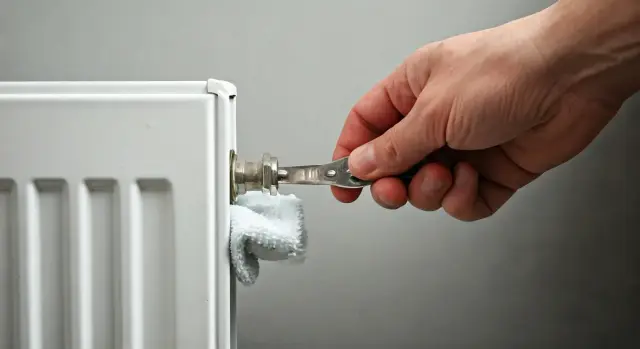
A cold spot at the top of your radiator is a common sign of trapped air within your central heating system. This air prevents hot water from circulating properly, making your heating less efficient and leaving parts of your home feeling chilly. Fortunately, bleeding a radiator is a straightforward DIY task that most competent adults can manage. This guide will walk you through the process, helping you restore warmth and efficiency to your home in 2026.
Why Do Radiators Need Bleeding?
Over time, air can accumulate inside your radiators. This usually happens as water circulates through the system, or if you've recently refilled your boiler. Because air rises, it often collects at the top of the radiator, displacing the hot water that should be heating the entire panel. This results in the top of the radiator feeling cold while the bottom remains warm or hot.
Trapped air not only creates cold spots but can also lead to:
- Reduced Heating Efficiency: Your boiler has to work harder and longer to heat your home, consuming more energy and increasing your bills.
- Noisy System: You might hear gurgling, banging, or hissing sounds from your radiators or pipes as water struggles to move past air pockets.
- Uneven Heating: Some rooms may feel colder than others, even if the thermostat is set correctly.
When to Bleed Your Radiators
It's a good idea to check your radiators annually, typically before the colder months set in, even if you don't notice obvious problems. Here are the key indicators that your radiators need bleeding:
- Cold at the Top: This is the most common and clearest sign. If the bottom is warm but the top is cold, it's almost certainly trapped air.
- Gurgling Noises: Water sloshing or gurgling sounds coming from inside the radiator or pipes.
- Slow to Heat Up: A radiator that takes an unusually long time to get warm.
- After System Maintenance: If your heating system has recently been drained or refilled (e.g., after boiler maintenance or a new radiator installation), it's highly likely air has been introduced.
Tools You'll Need
Before you start, gather these essential items:
- Radiator Bleed Key: This is a small, square-ended tool specifically designed for radiator valves. Most DIY stores and hardware shops sell them for a few pounds. Some older radiators might require a flat-head screwdriver.
- Cloth or Old Towel: To catch any drips or splashes of water.
- Small Container or Bowl: To collect a small amount of water that may come out once the air has escaped.
- Protective Gloves (Optional): The water can be dirty.
How to Bleed a Radiator: Step-by-Step Guide
Follow these steps carefully to bleed your radiators safely and effectively:
Turn Off Your Central Heating System
Switch off your boiler and allow the system to cool down completely. Attempting to bleed a hot radiator can be dangerous as hot water and steam can escape, causing scalding. It also ensures the pump isn't circulating air around the system.
Identify the Bleed Valve
Locate the small valve, usually at the top corner of the radiator, opposite the main temperature control valve. It typically has a square hole for the bleed key.
Prepare for Water Escaping
Place your cloth or towel directly under the bleed valve. Hold your small container or bowl underneath the valve as well, ready to catch any water.
Insert the Radiator Key
Insert the bleed key firmly into the square opening of the valve. If using a screwdriver, ensure it fits snugly.
Turn the Key Slowly
With the key in place, turn it gently anti-clockwise (usually a quarter to half a turn). You should hear a hissing sound as the trapped air begins to escape. This is normal. Do not unscrew the valve completely.
Close the Valve When Water Appears
Keep the valve open until the hissing sound stops and a steady stream of water starts to trickle out. This indicates that all the trapped air has been released. Immediately turn the key clockwise to close the valve tightly, but do not overtighten.
Repeat this process for every radiator in your home that has cold spots. It's generally recommended to start with the radiators on the ground floor and work your way up to the top floor, as air tends to rise.
What to Do After Bleeding
Once you've bled all the affected radiators, there's one crucial step remaining:
- Check Your Boiler Pressure: Bleeding radiators releases air and some water, which will likely cause a drop in your boiler's system pressure. Check the pressure gauge on your boiler (it's usually a dial on the front panel). Most boilers operate optimally between 1 and 1.5 bar when cold. If the pressure has dropped below 1 bar, you'll need to re-pressurise your system.
How to Re-pressurise Your Boiler (Typically)
Most modern boilers have a 'filling loop' – a flexible hose with two valves, often located underneath the boiler. To re-pressurise:
- Ensure both ends of the filling loop are securely connected.
- Slowly open one of the valves, then the other, allowing water to flow into the system.
- Watch the pressure gauge. When it reaches between 1 and 1.5 bar, close both valves firmly, ensuring they are fully off.
- Disconnect the filling loop if it's external (some are internal).
If your boiler pressure consistently drops after bleeding, or if you're unsure how to safely re-pressurise your system, it's always best to consult a professional. Never attempt to open or work on the internal components of your boiler; this must only be done by a Gas Safe registered plumber.
Common Issues and Troubleshooting
- Radiator still cold after bleeding: You might not have released all the air, or the problem could be more complex. Ensure you've re-pressurised the boiler. If it's still cold, you might have a blocked pipe or a faulty thermostatic radiator valve (TRV).
- No air or water comes out: The bleed valve might be blocked, or there might not be any air in that particular radiator. Double-check your boiler pressure.
- Water keeps coming out, no air: This indicates the radiator is full of water and doesn't have trapped air. Close the valve.
- Boiler pressure drops too quickly or severely: This could indicate a leak in your system. Turn off your heating and consult a professional immediately.
When to Call a Professional
While bleeding radiators is a simple task, some situations warrant professional help:
- Persistent Cold Spots: If radiators remain cold at the top even after bleeding and re-pressurising.
- Frequent Bleeding Required: If you find yourself needing to bleed radiators very often, it could signal a larger issue like air continuously entering the system.
- Boiler Pressure Issues: If your boiler pressure drops dramatically, won't increase after re-pressurising, or you're unsure how to safely adjust it.
- Leaks: Any water leaks from radiators, pipes, or the boiler.
- Lack of Confidence: If you're uncomfortable performing the task yourself.
For these more complex issues, or if you prefer professional help, you can find a local plumber through FixDelivered. Our service makes it easy to connect with qualified professionals quickly.
Need a Plumber?
FixDelivered connects you with qualified local emergency plumbers across the UK, 24/7. Our transparent service ensures you know the callout fee upfront, and our booking fee is refundable if no plumber is found. For more detailed advice on common plumbing issues, browse our plumbing emergency guides.
By following these steps, you can effectively bleed your radiators, eliminate cold spots, and enjoy a more efficient and warmer home. If you need professional help, remember you can get a plumber now through FixDelivered for reliable, local assistance.
Frequently asked questions
How often should I bleed my radiators?
It's a good idea to check your radiators annually, typically before the colder months, and whenever you notice cold spots at the top or hear gurgling noises. If your heating system has recently been drained or refilled, bleeding is also recommended.
What happens if I don't bleed my radiators?
If you don't bleed your radiators, trapped air will prevent hot water from circulating effectively. This leads to cold spots on radiators, reduced heating efficiency, higher energy bills, and potentially noisy pipes or radiators.
Why is only water coming out when I try to bleed my radiator?
If only water comes out immediately without any hissing sound, it means there's no trapped air in that particular radiator. You can simply close the valve. Ensure you've checked the radiator for cold spots first to confirm it needed bleeding.
Do I need to turn off my boiler before bleeding radiators?
Yes, it is crucial to turn off your central heating system and allow the radiators to cool down completely before bleeding them. This prevents hot water and steam from escaping, which can cause burns, and ensures that air isn't being circulated by the pump while you're trying to release it.
Need a plumber now? Tell us your emergency and FixDelivered will find and confirm an available local plumber near you, usually within the hour.
Written by the FixDelivered Team. Reviewed by Rupert Lowe, Editor. Last updated 2026-09-11.