Hidden Pipe Leak: Signs, Detection & What to Do UK 2026
By The FixDelivered Team · Updated 2026-09-09 · 6 min read
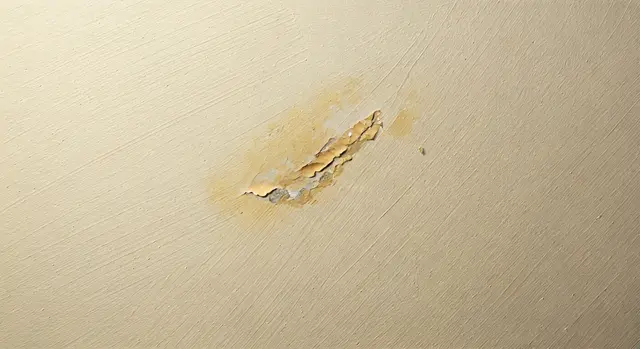
A hidden pipe leak behind a wall or under a floor can be a homeowner's nightmare. Unlike a visible drip, these leaks often go unnoticed for weeks or even months, silently causing significant damage to your property's structure, fostering mould growth, and leading to unexpectedly high water bills. Early detection is key to minimising disruption and cost. This guide will help you identify the subtle signs of a hidden leak and outline the essential steps to take.
The Silent Threat: Why Hidden Leaks Are Dangerous
Pipes concealed within your home's structure are out of sight, making leaks incredibly difficult to spot. Over time, even a small, persistent drip can saturate plasterboard, timber, and insulation, leading to structural weakening, unpleasant odours, and the growth of black mould, which can pose health risks. The longer a leak persists, the more extensive and expensive the repairs typically become, often involving significant disruption to your home.
Key Signs of a Hidden Pipe Leak
Being vigilant about these indicators can save you a lot of hassle and money:
- Unexpected Increase in Water Bill: This is often the most common and earliest sign. If your water usage habits haven't changed but your bill has significantly increased, it's a strong indicator of a continuous leak somewhere in your property.
- Damp Patches, Stains, or Discolouration: Look for unexplained wet spots, dark stains, or discoloured areas on walls, ceilings, or floors. These might appear gradually and could indicate water seeping through from a hidden source.
- Musty or Damp Smells: A persistent, earthy, or musty odour, especially in specific areas, suggests the presence of dampness and potential mould growth caused by a hidden leak.
- Sound of Running Water: Listen carefully when no taps are running, toilets are flushing, or appliances are in use. A faint trickling, dripping, or gurgling sound could pinpoint a hidden leak.
- Low Water Pressure: While not always leak-related, a sudden or gradual drop in water pressure throughout your home can sometimes be due to a significant leak diverting water away.
- Warped Flooring or Skirting Boards: Water seeping from under the floor can cause wooden floorboards to warp, lift, or discolour. Skirting boards may also show signs of swelling or dampness.
- Peeling Paint or Wallpaper: Moisture from a leak can cause paint to bubble, crack, or peel, and wallpaper to lift away from the wall.
- Unexpected Warm Spots: If you have hot water pipes behind a wall or under a floor, a leak in these pipes might cause a noticeable warm spot on the surface.
- Cracks in Foundations: In severe, long-term cases, water ingress from a hidden leak can undermine your home's foundations, leading to visible cracks in external walls or internal plaster.
How to Confirm a Hidden Leak (DIY Steps)
If you suspect a leak, here are some steps you can take to help confirm its presence:
- Check Your Water Meter: This is the most reliable initial test. First, ensure all water-consuming appliances (washing machine, dishwasher), taps, and toilets are completely off and not in use. Locate your main water meter (usually outside your property, near the boundary). Note down the reading. Wait for at least 30 minutes (or even a couple of hours for greater certainty) without using any water, then check the meter again. If the reading has changed, you almost certainly have a leak somewhere on your property.
- Inspect Visible Areas: While the leak is hidden, check all easily accessible pipes – under sinks, behind toilets, around water heaters, and near appliances like washing machines – just in case the source is more obvious than you think.
- Listen with a Glass: Place an empty drinking glass against the wall or floor in the suspected area and listen through the bottom of the glass. This can amplify faint dripping or running water sounds.
- The Tissue Test: If you have any small, accessible gaps or cracks near a suspected area (e.g., around pipework entering a wall), carefully place a piece of dry tissue paper. If it becomes damp, it's a strong indicator of moisture.
What to Do When You Suspect a Hidden Leak
Once you've identified the signs, prompt action is crucial:
- Turn Off Your Main Water Supply: Locate your main stopcock (usually under the kitchen sink, in the downstairs toilet, or where the water pipe enters your property) and turn it off clockwise. This will stop the flow of water and prevent further damage.
- Turn Off Electricity: If the suspected leak is near electrical outlets, wiring, or appliances, turn off the electricity to that area, or your whole home, at the consumer unit (fuse box) to prevent electrical hazards.
- Document the Damage: Take clear photos or videos of any damp patches, stains, or other visible damage. This will be invaluable for your plumber and potentially for insurance claims.
- Ventilate the Area: Open windows and use fans to help dry out the affected area, reducing the risk of mould growth.
- Contact a Professional Plumber: Hidden leaks require specialist expertise and equipment for accurate detection and repair. Do not attempt to open up walls or floors yourself unless you are confident in your abilities and have located the exact source. If you suspect a leak and need urgent help, you can find emergency plumbers near you through FixDelivered.
When to Call a Professional for Hidden Leaks
While the DIY steps above can help confirm a leak, locating and repairing a hidden pipe leak effectively almost always requires a professional plumber. They have specialist tools such as acoustic leak detectors, thermal imaging cameras, and moisture meters that can pinpoint the exact location of a leak without unnecessary damage to your home. Repairing the pipe itself, often involving cutting into walls or floors, is also a job best left to experienced tradespeople.
Hidden Pipe Leak Repair Costs in 2026 (UK Guide)
The cost of fixing a hidden pipe leak in the UK can vary significantly based on several factors, including the plumber's rates, the complexity of detection, the extent of the leak, and the subsequent 'making good' of any damaged areas.
- Leak Detection: Specialist leak detection services, using advanced equipment, typically cost between £150 and £400. This fee is for locating the leak, not fixing it.
- Plumber Call-out & Hourly Rates: Plumbers usually charge a call-out fee (around £75-£150) which may include the first hour's work, followed by hourly rates of £50-£90.
- Repair Costs: The actual repair of the pipe could range from £100 for a straightforward patch to £500+ for more complex re-piping.
- 'Making Good' Costs: This is often the most variable part. Repairing plasterboard, re-plastering, painting, or replacing flooring can add hundreds, if not thousands, to the total cost, depending on the extent of the damage.
As a rough guide, expect total costs for detection and a relatively straightforward repair (excluding extensive 'making good') to be in the range of £300 to £1000. For significant leaks requiring extensive access and repair, costs can easily exceed this. It's always advisable to get a clear quote upfront.
Preventing Future Hidden Leaks
While not all leaks are preventable, regular maintenance can reduce the risk. Ensure your plumbing system is serviced periodically, especially if your property is older. Be mindful of freezing temperatures in winter, taking steps to insulate exposed pipes and drain outdoor taps. Promptly address any minor visible drips to prevent them from escalating into larger, hidden problems.
Identifying and addressing a hidden pipe leak swiftly is crucial for protecting your home. If you suspect a problem, don't delay. Turn off your water supply and call in a professional. To get started, you can simply tell us your emergency and we'll connect you with local professionals. For more detailed advice on handling various plumbing issues, explore our plumbing emergency guides.
Frequently asked questions
How can I tell if I have a hidden water leak?
Look for unexplained spikes in your water bill, damp or discoloured patches on walls/ceilings/floors, musty smells, the sound of running water when no taps are on, or peeling paint/wallpaper. A water meter test (checking it before and after a period of no water use) is a reliable way to confirm a leak.
What should I do immediately if I suspect a hidden leak?
Immediately turn off your main water supply at the stopcock to prevent further damage. If the leak is near electrical outlets, turn off the electricity to that area. Document the damage with photos, and then contact a professional plumber for expert detection and repair.
Can I fix a hidden pipe leak myself?
While you can take steps to confirm a leak, locating and repairing a hidden pipe leak typically requires specialist tools (like thermal cameras or acoustic detectors) and expertise. It's best to call a professional plumber to ensure the leak is accurately located and properly repaired without causing additional damage to your property.
How much does it cost to fix a hidden pipe leak in the UK?
In 2026, the cost can range from £300 to over £1000, depending on the complexity. This typically includes specialist leak detection (£150-£400) and the plumber's call-out and hourly rates (£75-£150 call-out, £50-£90/hour) for the repair itself. Significant additional costs may arise from 'making good' structural or aesthetic damage.
Need a plumber now? Tell us your emergency and FixDelivered will find and confirm an available local plumber near you, usually within the hour.
Written by the FixDelivered Team. Reviewed by Rupert Lowe, Editor. Last updated 2026-09-09.