Frozen Pipes: How to Thaw & Prevent Bursts Safely
By The FixDelivered Team · Updated 2026-09-05 · 7 min read
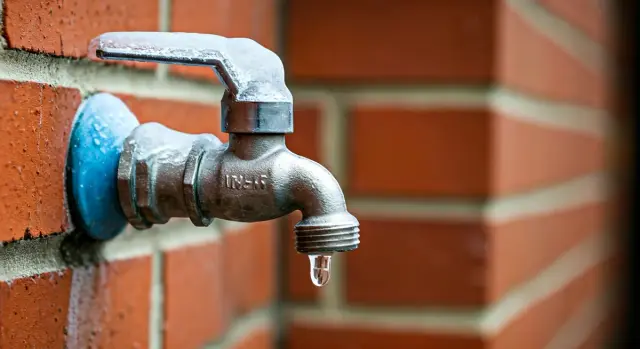
Winter in the UK brings with it the risk of frozen pipes, a common and potentially devastating plumbing emergency. When water inside your pipes freezes, it expands, creating immense pressure that can cause pipes to crack or burst. The resulting water damage can be extensive and costly. Understanding how to safely thaw frozen pipes and, more importantly, how to prevent them in the first place, is crucial for any homeowner.
Immediate Action: Suspect Frozen Pipes?
If you notice a sudden drop in water pressure, no water coming from a tap, or visible frost on pipes in unheated areas, you likely have a frozen pipe. Act quickly to minimise damage:
- Turn Off Your Main Stopcock: This is the most critical first step. Locate your internal stopcock (usually under the kitchen sink, in a utility room, or under the stairs) and turn it off clockwise. This will stop the flow of water into your property, preventing a flood if the pipe has already burst or bursts during thawing.
- Turn Off Your Heating System (if necessary): If the frozen pipe is part of your central heating system, turn off your boiler. For standard cold/hot water pipes, this isn't usually necessary unless you're unsure which pipe is affected.
- Open Taps: Open the affected tap (and any others downstream) slightly. This allows any melting ice to drain and relieves pressure in the pipe.
Identifying Frozen Pipes
Frozen pipes are often found in unheated areas of your home, especially those exposed to cold external walls. Check:
- Pipes in the loft, cellar, garage, or shed.
- Pipes running along external walls or through uninsulated cavities.
- Outdoor taps and their connecting pipes.
- Any pipes that are visibly frosted or have a bulge.
Step-by-Step: Safely Thawing Frozen Pipes (DIY Guide)
Tools You'll Need:
- Hairdryer (on a low to medium setting)
- Hot water bottles or warm towels
- Buckets or towels to catch drips
- Gloves (optional, for handling warm items)
- Torch (for dark spaces)
The Thawing Process:
- Locate the Frozen Section: Start at the tap and work your way back along the pipe. Look for visible frost, bulges, or a section that feels colder than the rest.
- Apply Gentle Heat:
- Hairdryer: Point the hairdryer at the frozen section, moving it continuously to distribute heat evenly. Never hold it in one spot for too long.
- Warm Towels/Hot Water Bottles: Wrap warm, damp towels or place hot water bottles around the frozen section. Replace them as they cool.
- Be Patient: Thawing can take time, especially for larger sections of pipe. Continue applying heat gently.
- Check for Water Flow: Periodically check the open tap. As the ice melts, water should start to trickle out, gradually increasing to a steady flow.
- Inspect for Leaks: Once the water is flowing freely, keep the tap open for a few minutes and carefully inspect the thawed pipe for any cracks or leaks. The expansion of ice can sometimes cause damage that only becomes apparent once the pipe thaws.
- Turn Water Back On (Carefully): If no leaks are visible, slowly turn your main stopcock back on. Continue to check the pipe for any signs of leakage. If you find a leak, turn off the stopcock immediately.
Important Safety Warnings:
- NEVER use a naked flame (e.g., blowtorch, gas lamp) to thaw pipes. This is extremely dangerous and can cause a fire or damage the pipe, leading to a burst.
- Avoid boiling water directly on pipes, as sudden extreme temperature changes can cause pipes to crack or burst.
- Ensure electrical appliances (like hairdryers) are kept away from water to prevent electric shock. Use a residual current device (RCD) if possible.
- Do not apply excessive force or try to hammer the pipe, as this will likely cause further damage.
When to Call a Professional:
While thawing a visible, accessible pipe can be a DIY task, there are times when professional help is essential:
- If you cannot locate the frozen section.
- If the pipe is behind a wall, under floorboards, or in an inaccessible area.
- If you suspect the pipe has already burst or you discover a leak after thawing.
- If you are unsure or uncomfortable performing the thawing process yourself.
If you need an expert fast, you can tell us your emergency and we'll connect you with a qualified local plumber.
What If a Pipe Bursts?
A burst pipe is a full-blown emergency. Here's what to do:
- Turn Off Your Main Stopcock IMMEDIATELY: This is the most crucial step to minimise water damage.
- Turn Off Your Heating System: If the burst pipe is part of your central heating, turn off your boiler.
- Contain the Water: Use buckets, towels, and mops to limit water spread. Move valuable items away from the affected area.
- Call a Plumber: A burst pipe requires urgent professional attention. For urgent assistance, finding emergency plumbers near you is crucial.
- Document the Damage: Take photos or videos for insurance purposes.
- Contact Your Insurer: Inform your home insurance provider as soon as possible.
Preventing Frozen Pipes: Essential Winter Prep
Prevention is always better than cure. Take these steps before cold weather sets in:
- Insulate Exposed Pipes: Use foam pipe lagging on all pipes in unheated areas like lofts, garages, cellars, and under floorboards. This is a cheap and effective measure.
- Keep Heating On: During severe cold snaps, keep your heating on a low setting (e.g., 12-14°C) even if you're out or away. This helps prevent pipes from freezing.
- Drain Outdoor Taps: Disconnect garden hoses and drain outdoor taps before winter. If your outdoor tap has an internal shut-off valve, close it and open the outdoor tap to drain residual water.
- Know Your Stopcock: Ensure everyone in your household knows where the main stopcock is and how to turn it off. Check it works freely.
- Open Loft Hatch: Opening your loft hatch slightly during very cold weather can allow warmer air to circulate around pipes in the loft space.
- Consider a Professional Check: If you have an older property or concerns, a plumber can inspect your pipework for vulnerabilities. You can find a local plumber through FixDelivered.
- If Going Away: If you're leaving your property vacant for an extended period in winter, consider turning off your water at the main stopcock and draining the system. Alternatively, ask a trusted neighbour to check on your property regularly and keep the heating on low.
Understanding the Costs: Frozen & Burst Pipes (2026 UK)
The cost of dealing with frozen or burst pipes can vary significantly based on the severity of the issue, the location of the pipe, and the extent of any water damage. As a rough guide for 2026 in the UK:
- Emergency Call-Out Fee: Expect to pay between £90 and £150 for an emergency plumber to attend, often with higher rates for out-of-hours or bank holiday services.
- Thawing a Frozen Pipe: If a plumber needs to thaw a pipe, costs typically range from £100 to £250, depending on accessibility and how long it takes.
- Repairing a Burst Pipe: This is usually more complex. A simple repair on an accessible pipe might cost £200-£400. If the pipe is in a wall, under a floor, or requires significant access work and subsequent making good, costs could easily exceed £500, potentially running into thousands if extensive water damage restoration is needed.
- Water Damage Restoration: This is separate from plumbing repairs and can be substantial, often covered by home insurance.
Always check your home insurance policy for coverage related to frozen and burst pipes. Many policies require you to take reasonable preventative measures.
Conclusion
Frozen and burst pipes are a serious winter hazard, but with timely action and proper prevention, you can protect your home from significant damage. Knowing how to react calmly and safely to a frozen pipe can save you stress, time, and money. Remember, for any plumbing emergency, FixDelivered is here to help you get a plumber now.
Frequently asked questions
How do I know if my pipes are frozen?
Look for a sudden drop in water pressure, no water from a specific tap, or visible frost on pipes, particularly in unheated areas like lofts or garages.
What's the safest way to thaw a frozen pipe?
Use a hairdryer on a low setting, moving it continuously, or wrap the pipe with warm towels or hot water bottles. Always start thawing from the tap end and work backwards. Never use a naked flame or boiling water directly.
What should I do immediately if I suspect a frozen pipe?
First, turn off your main stopcock to prevent flooding if the pipe bursts. Then, open the affected tap slightly to relieve pressure and allow melting ice to escape.
How can I prevent my pipes from freezing in the future?
Insulate exposed pipes with foam lagging, keep your heating on a low setting during cold weather, drain outdoor taps, and know where your main stopcock is.
Need a plumber now? Tell us your emergency and FixDelivered will find and confirm an available local plumber near you, usually within the hour.
Written by the FixDelivered Team. Reviewed by Rupert Lowe, Editor. Last updated 2026-09-05.