Low Water Pressure: Diagnose & Fix It (UK 2026)
By The FixDelivered Team · Updated 2026-09-13 · 7 min read
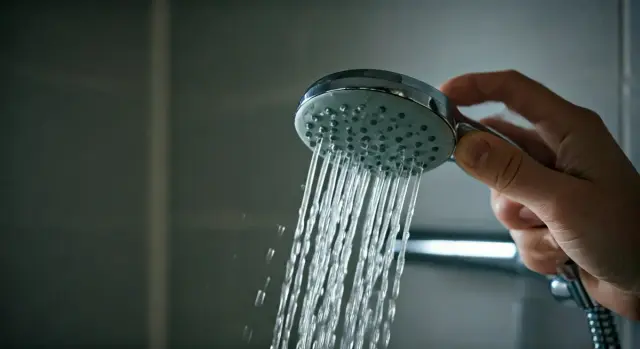
Low water pressure can turn everyday tasks like showering or washing dishes into frustrating experiences. It's a surprisingly common issue in UK homes, but often, the cause can be identified and even fixed with a bit of DIY know-how. This guide will walk you through diagnosing the problem and provide practical steps to restore your water flow.
Understanding Low Water Pressure
Before you dive into fixes, it's important to determine if the low pressure is a widespread issue affecting all taps and appliances in your home, or if it's isolated to a single fixture. Try testing the pressure at several points: your kitchen tap, bathroom basin, shower, and outside tap. If the problem is everywhere, it suggests a main supply or whole-house plumbing issue. If it's just one spot, the problem is likely localised.
Common Causes of Low Water Pressure
External Factors
- Mains Supply Issues: Local utility companies sometimes carry out maintenance or repairs on the water mains, which can temporarily reduce pressure. Check with your neighbours to see if they're experiencing similar problems, or look for local service updates from your water provider.
- Shared Supply: In some older properties, your water supply might be shared with neighbours. High water usage by them (e.g., filling a bath or watering a garden) can temporarily reduce your pressure.
- External Stopcock: Your property's main stopcock, often located near your boundary in the pavement, might not be fully open.
Internal Plumbing Issues
- Internal Stopcock: The main stopcock inside your home (usually under the kitchen sink or near the incoming water pipe) might be partially closed.
- Limescale or Sediment Buildup: Over time, especially in hard water areas, limescale and sediment can accumulate inside pipes, narrowing the channels and restricting water flow. This is more common in older properties with galvanised steel pipes.
- Leaks: Even a small, hidden leak can significantly reduce water pressure as water escapes before reaching your taps. Look for damp patches, discoloured walls, or unusually high water meter readings.
- Faulty Pressure Reducing Valve (PRV): If your home has a PRV (often found where the main water supply enters your property), it might be faulty or set too low.
- Corroded Pipes: Very old galvanised steel pipes are prone to internal corrosion, which reduces their diameter and restricts flow. This usually requires professional pipe replacement.
Appliance-Specific Problems
- Blocked Aerators or Shower Heads: The small mesh screens on taps (aerators) and shower heads can easily become clogged with limescale, dirt, or debris, leading to reduced flow at that specific fixture.
- Combi Boiler Issues: If you have a combi boiler, low hot water pressure can be due to a faulty diverter valve, a blocked heat exchanger, or an issue with the boiler's internal pressure.
- Water Softener Problems: A malfunctioning water softener can sometimes impede water flow, though this is less common.
DIY Steps to Diagnose and Fix Low Water Pressure
Tools You'll Need
- Adjustable spanner or pipe wrench
- Screwdriver set
- Pliers
- Bucket or bowl
- Old toothbrush or small brush
- Limescale remover or white vinegar
- Torch (for inspecting dark areas)
Step 1: Check Your Main Stopcock
Start by locating both your internal and external stopcocks. The internal one is usually under the kitchen sink or where the main water pipe enters your home. The external stopcock is often in a small, covered chamber near your property boundary. Ensure both are fully open. Turn them anti-clockwise until they stop, but don't force them. If you can't locate or safely operate your external stopcock, contact your water utility company.
Step 2: Inspect Taps and Shower Heads
This is a common and easy fix for localised low pressure.
- For Taps: Unscrew the aerator (the small mesh screen at the end of the tap spout). You might need pliers or a spanner, but often they unscrew by hand. Inspect the screen for debris or limescale buildup. Clean it thoroughly with an old toothbrush and limescale remover or vinegar. Rinse and reattach.
- For Shower Heads: Unscrew the shower head from its hose. Soak the shower head in a descaling solution or a bowl of white vinegar for a few hours (or overnight for heavy buildup). Use a small brush to dislodge any remaining debris from the nozzles. Rinse thoroughly before reattaching.
Step 3: Look for Leaks
Conduct a visual inspection around your home. Check under sinks, behind toilets, around pipework, and anywhere you suspect dampness. Look for drips, puddles, or discolouration on walls or ceilings. If you have a water meter, take a reading, then avoid using any water for an hour or two (or overnight). Take another reading. If the reading has changed, you likely have a leak, even if it's not visible.
Step 4: Test Your Boiler (If Applicable)
If you have a combi boiler and only your hot water pressure is low, check the pressure gauge on the front of your boiler. It should typically be between 1 and 1.5 bar. If it's too low, you might need to re-pressurise your boiler (consult your boiler's manual for instructions). However, if the issue persists or if you suspect an internal boiler fault, you must call a Gas Safe registered plumber. Never attempt to open or repair a gas appliance yourself.
Step 5: Check Your Pressure Reducing Valve (PRV)
If your home has a PRV, it's usually located on the main water line where it enters your property. These valves are designed to reduce high incoming mains pressure to a safer level for your internal plumbing. A faulty PRV or one set too low can cause low pressure. Adjusting a PRV can be complex and if done incorrectly, can lead to excessively high pressure, potentially damaging your plumbing. If you suspect your PRV is the issue and are not confident in adjusting it, it's best to call a professional.
When to Call a Professional Plumber
If you've tried the DIY steps above and your low water pressure problem persists, or if you suspect a more serious underlying issue, it's time to call in a professional. Plumbers have specialist tools and expertise to diagnose and fix complex problems that are beyond the scope of DIY, such as:
- Hidden leaks requiring leak detection equipment.
- Faulty or incorrectly set PRVs.
- Extensive limescale buildup within the main pipework.
- Corroded or damaged pipes requiring replacement.
- Mains supply issues that your water company cannot resolve.
- Any issues related to your boiler (always use a Gas Safe engineer for gas appliances).
Why Choose a Professional?
A qualified plumber can accurately diagnose the root cause of your low water pressure, ensuring a lasting solution. They can also advise on potential upgrades, such as installing a water booster pump if your mains pressure is consistently inadequate. For urgent issues, finding emergency plumbers near you can make a significant difference.
Typical Costs for a Plumber (2026 UK)
Plumbing costs vary by region, urgency, and the complexity of the job. As a rough guide for 2026:
- Call-out Fee: Typically £80 - £120 for an initial visit and diagnosis.
- Hourly Rate: £60 - £90 per hour, though some plumbers charge a flat rate for specific jobs.
- Simple Fixes (e.g., cleaning aerators, minor adjustments): Often covered by the call-out fee or an hour's labour.
- More Complex Jobs (e.g., leak detection, PRV replacement, pipe repair): Could range from £250 - £400+, depending on parts and labour time.
Always get a clear quote upfront before any work begins.
Get Expert Help Fast with FixDelivered
If your low water pressure problem persists or requires professional intervention, finding a reliable plumber quickly is crucial. FixDelivered connects you with qualified local experts who can diagnose and resolve complex issues, from hidden leaks to boiler faults. You can learn more about how FixDelivered works to get a trusted professional to your door.
Don't let low water pressure dampen your day. By following these steps, you can often identify and fix the issue yourself. If the problem is beyond a DIY fix, remember that professional help is readily available. For urgent issues, you can always get a plumber now through FixDelivered, or explore our plumbing emergency guides for more helpful advice.
Frequently asked questions
Why is my water pressure suddenly low?
Sudden low water pressure can be caused by various factors, including local mains supply issues (utility works), a partially closed stopcock (internal or external), a burst pipe or significant leak, or a problem with your combi boiler if it's only affecting hot water. Check with neighbours first to see if it's a localised issue.
Can I boost my water pressure myself?
You can often improve localised low pressure by cleaning clogged aerators on taps or descaling shower heads. Ensuring your main stopcocks are fully open can also help. For whole-house low pressure due to inadequate mains supply, a professional might suggest a water booster pump, which isn't a DIY installation.
How much does it cost to fix low water pressure in the UK?
Costs vary, but as a rough guide for 2026, a plumber's call-out fee is typically £80-£120. Simple fixes might be covered by this, while more complex issues like leak detection, PRV replacement, or pipe repairs could range from £250-£400+ depending on parts and labour. Always get a quote upfront.
Will a water softener affect water pressure?
A properly installed and maintained water softener should not significantly affect your water pressure. However, a malfunctioning or undersized softener, or one with significant sediment buildup, can potentially restrict water flow and lead to reduced pressure.
Should I call a Gas Safe engineer for low water pressure?
You should call a <a href="/gas-safe-plumbers">Gas Safe registered plumber</a> if you suspect your combi boiler is the cause of your low hot water pressure. Any work on gas appliances, including diagnostics and repairs, must only be carried out by a Gas Safe registered professional for safety reasons.
Need a plumber now? Tell us your emergency and FixDelivered will find and confirm an available local plumber near you, usually within the hour.
Written by the FixDelivered Team. Reviewed by Rupert Lowe, Editor. Last updated 2026-09-13.