Toilet Not Flushing? DIY Fixes & When to Call a Pro UK
By The FixDelivered Team · Updated 2026-09-14 · 8 min read
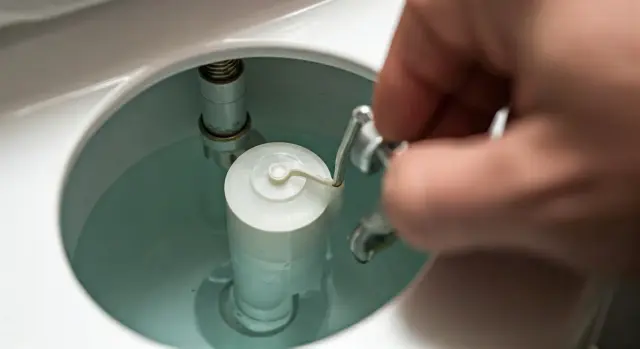
A toilet that refuses to flush properly can quickly become a major household nuisance. Whether it's a weak flush, no flush at all, or a constant running sound, understanding the common culprits can save you time and money. This comprehensive UK guide will walk you through the most frequent reasons your toilet isn't flushing and provide clear, step-by-step DIY fixes you can attempt before needing to call in a professional.
Common Reasons Your Toilet Isn't Flushing Properly
Most flushing issues stem from a few key areas within the toilet's cistern or the waste pipe. Identifying the specific problem is the first step towards a successful repair.
- Low Water Level in the Cistern: If there isn't enough water in the cistern, the flush simply won't have the power to clear the bowl effectively.
- Faulty Flapper or Siphon Mechanism: The flapper (a rubber seal) or siphon (in older toilets) lifts to release water into the bowl. If it's damaged, not sealing properly, or its chain is too long/short, the flush will be weak or incomplete.
- Blockage in the Trap or Waste Pipe: This is a common and often obvious cause. If water rises high in the bowl and drains slowly, or not at all, a blockage is likely.
- Damaged or Disconnected Flush Handle/Lever: A loose, broken, or disconnected handle won't be able to activate the flushing mechanism inside the cistern.
- Faulty Fill Valve: This valve controls the refilling of the cistern after a flush. If it's not working correctly, the cistern won't fill to the adequate level.
- Blocked Vent Pipe: Less common but more serious, a blocked vent pipe (which allows air into the waste system) can create a vacuum, preventing proper flushing. This usually requires professional attention.
Tools You Might Need
- Rubber gloves
- Screwdriver (flathead and Phillips)
- Adjustable spanner or pliers
- Bucket and sponges/old towels
- Toilet plunger (flange type is best for toilets)
- Toilet auger (or closet auger)
- Replacement flapper or fill valve (if needed)
- Wire brush (for cleaning fill valve)
Step-by-Step DIY Fixes
Before you begin, always turn off the water supply to the toilet, usually via a small stopcock valve located behind or next to the toilet bowl. Wear rubber gloves for hygiene.
1. Check and Adjust the Water Level in the Cistern
- Remove the Cistern Lid: Carefully lift the lid off the cistern.
- Observe Water Level: The water level should typically be about an inch below the top of the overflow pipe (the vertical pipe in the centre). If it's significantly lower, this is likely your issue.
- Adjust the Float: Modern toilets usually have a float cup or a float ball. For a float cup, gently push down on the adjustment screw or clip on the side of the fill valve to raise or lower the cup. For a float ball, bend the float arm slightly upwards to raise the water level, or downwards to lower it.
- Test Flush: Turn the water supply back on and let the cistern refill. Test the flush. Adjust further if necessary.
2. Inspect the Flapper or Siphon Mechanism
- Turn Off Water Supply: Ensure the water is off and the cistern is empty.
- Check the Flapper/Siphon: Examine the rubber flapper at the bottom of the cistern (or the siphon unit in older toilets). Look for signs of wear, cracks, or stiffness.
- Inspect the Chain: The chain connecting the flush handle to the flapper should have a slight amount of slack when the flapper is closed – about 1-2 links. If it's too tight, it won't seal; too loose, and it won't lift properly. Adjust the chain length by moving it to a different hole on the flush lever.
- Clean the Seal: Sometimes mineral deposits or grime can prevent the flapper from sealing correctly. Gently clean the rim where the flapper sits.
- Replace if Damaged: If the flapper is visibly damaged or stiff, it will need replacing. These are inexpensive and widely available at hardware stores. Simply unclip the old one and clip the new one in place, reattaching the chain.
- Test Flush: Turn the water back on and test the flush.
3. Clear a Blockage
If water is draining slowly or not at all, you likely have a blockage.
- Use a Plunger: Ensure there's enough water in the bowl to cover the plunger's rubber bell. Position the plunger firmly over the toilet drain hole, creating a good seal. Plunge with a strong, consistent up-and-down motion for about 10-15 cycles. The aim is to create suction and pressure to dislodge the blockage.
- Try Again: If the water starts to drain, flush the toilet (be ready to turn off the water if it looks like it will overflow). Repeat plunging if necessary.
- Use a Toilet Auger (Closet Auger): For stubborn blockages, a toilet auger is more effective than a plunger. This specialised tool has a flexible cable with a corkscrew end, designed to navigate the toilet's trap without scratching the porcelain.
- Insert the Auger: Place the auger's curved end into the toilet bowl, guiding the cable into the drain. Crank the handle to feed the cable into the pipe until you hit the blockage.
- Break Up/Retrieve: Twist and push the auger to break up the obstruction or hook it so you can pull it out.
- Flush: Slowly pull the auger out and then flush the toilet multiple times to ensure the blockage is completely clear.
Important: Avoid using harsh chemical drain cleaners in toilets. They can damage pipes, are often ineffective on toilet blockages, and pose a significant safety risk, especially if a professional plumber later needs to tackle the blockage.
4. Examine the Flush Handle and Linkage
- Check for Looseness: The flush handle on the outside of the cistern should feel firm. If it's wobbly, the nut on the inside might be loose.
- Tighten the Nut: Reach inside the cistern and locate the large plastic nut on the inside of the handle. Hand-tighten it clockwise. Be careful not to overtighten, as this can crack the cistern.
- Reconnect the Linkage: Ensure the arm inside the cistern is properly connected to the flapper chain. If it's slipped off, reattach it.
- Test: Give the handle a few flushes to ensure smooth operation.
5. Troubleshoot the Fill Valve
If the cistern isn't refilling properly after a flush, or takes a very long time, the fill valve might be the issue.
- Check for Debris: Turn off the water and empty the cistern. Disconnect the small refill tube from the overflow pipe. You might be able to unscrew the top cap of the fill valve (check your toilet's manual if unsure) to look for debris or mineral build-up. Clean any visible blockages.
- Adjust the Fill Valve: Some fill valves have an adjustment screw that controls the water flow. Consult your toilet's manual for specific instructions.
- Consider Replacement: If cleaning and adjustment don't resolve the issue, the fill valve may be faulty and need replacing. This is a more involved DIY task, but replacement kits are available. Ensure you get one compatible with your toilet.
When to Call a Professional Plumber
While many toilet flushing issues can be resolved with DIY efforts, there are times when professional help is essential. If you've tried the above steps and your toilet still isn't flushing, or if you encounter any of the following, it's time to call in the experts:
- Persistent Blockages: If a plunger or auger doesn't clear the blockage, it might be deeper in your waste pipes, possibly even in the main sewer line.
- Water Leaking: Any significant leaks from the toilet base or cistern that you can't easily fix indicate a more serious problem.
- Suspect a Blocked Vent Pipe: Symptoms like gurgling sounds from other drains, foul odours, or consistent weak flushing across multiple fixtures can point to a blocked vent pipe, which requires specialist tools and expertise to clear safely.
- Unsure or Uncomfortable: If you're not confident in tackling the repair yourself, or if you feel out of your depth, don't hesitate to seek help. Attempting a repair incorrectly can often lead to more damage and higher costs.
If you're unsure or the problem persists, it's time to get a plumber now.
How FixDelivered Can Help
When you need a reliable plumber in a hurry, FixDelivered connects you with qualified local emergency plumbers across the UK. We understand that a non-flushing toilet can be an urgent problem, and our service is designed to get you the help you need quickly and efficiently. You can also learn more about how FixDelivered works, where we detail our transparent process, including upfront agreed call-out fees with the plumber.
For complex issues or if you need urgent assistance, you can easily find emergency plumbers near you through our platform. Our network ensures you get a professional who can diagnose and fix the problem, often on the same day. Typical costs for a plumber to fix a non-flushing toilet can range from £80-£150 for a simple repair like a flapper or fill valve replacement, to £150-£300+ for more complex blockages requiring specialist equipment, depending on your location and the time of day in 2026.
Conclusion
A toilet that won't flush properly is more than just an inconvenience; it can disrupt your entire household. By understanding the common causes and attempting some basic DIY fixes, you can often resolve the issue yourself. However, for persistent problems or if you're uncomfortable with the repair, don't hesitate to call a professional. FixDelivered is here to connect you with trusted local plumbers whenever you need them, ensuring your home's plumbing runs smoothly. For more detailed advice on various plumbing issues, explore our plumbing emergency guides.
Frequently asked questions
Why is my toilet flushing weakly?
A weak flush is most commonly caused by a low water level in the cistern, a faulty or worn-out flapper/siphon mechanism that isn't sealing properly, or a partial blockage in the toilet's trap or waste pipe. Check the water level first, then inspect the flapper and its chain.
How much does it cost to fix a toilet that won't flush in the UK?
As a rough guide for 2026, the cost to fix a non-flushing toilet in the UK typically ranges from £80-£150 for minor repairs like replacing a flapper or fill valve. More complex issues, such as deep blockages requiring an auger or work on the main waste pipe, could cost £150-£300+, depending on the plumber's call-out fee, labour time, and your location.
Can I use chemical drain cleaner to unblock a toilet?
It's strongly advised not to use chemical drain cleaners for toilet blockages. They are often ineffective on the types of blockages found in toilets, can damage your pipes, and pose a significant safety risk due to corrosive fumes and potential splashing, especially if the toilet overflows or a plumber later needs to work on it.
Need a plumber now? Tell us your emergency and FixDelivered will find and confirm an available local plumber near you, usually within the hour.
Written by the FixDelivered Team. Reviewed by Rupert Lowe, Editor. Last updated 2026-09-14.