Fix a Constantly Running Toilet: UK DIY Guide 2026
By The FixDelivered Team · Updated 2026-09-12 · 7 min read
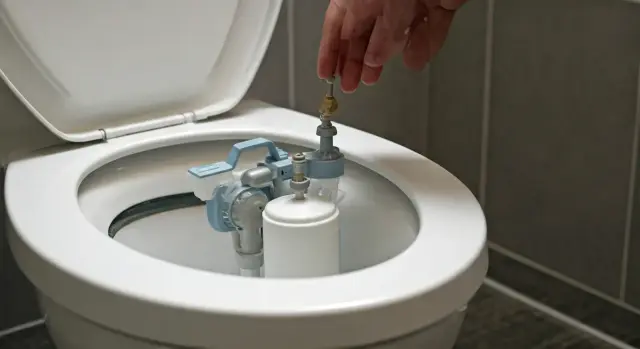
A constantly running toilet is more than just an irritating sound; it's a significant drain on your wallet and a waste of precious water. A toilet that continuously trickles or refills can waste hundreds of litres of water every single day, leading to unexpectedly high water bills. The good news is that many common causes of a running toilet can be diagnosed and fixed with a few simple tools and a bit of DIY know-how.
Why Is Your Toilet Constantly Running?
Understanding the common culprits behind a running toilet is the first step to fixing it. Most issues stem from one of these components:
- The Flapper Valve (Flush Valve Seal): This rubber or plastic seal lifts when you flush and then drops back down to create a watertight seal at the bottom of the cistern. If it's worn, warped, or obstructed, water will continuously leak into the toilet bowl.
- The Fill Valve (Ballcock Mechanism): This mechanism controls the water refilling the cistern after a flush. If the float arm is set too high, or the valve itself is faulty, it can cause the cistern to overfill, with excess water flowing down the overflow pipe.
- The Float Arm: Connected to the fill valve, the float (either a ball or a cup) rises with the water level. If it's set too high, or is waterlogged, it won't signal the fill valve to shut off properly.
- The Refill Tube: This small tube directs water into the overflow pipe to refill the toilet bowl after a flush. If it's inserted too far down the overflow pipe, it can create a siphoning effect, causing continuous water flow.
- The Flush Handle and Chain: A loose, snagged, or incorrectly adjusted chain can prevent the flapper from sealing completely. A sticking handle can also hold the flapper open.
Tools You'll Need
Before you start, gather these basic tools:
- Screwdriver (flathead or Phillips, depending on your cistern lid fixings)
- Sponge or old towel (for mopping up small spills)
- Pliers (optional, for adjusting nuts or chains)
- Rubber gloves (optional, for hygiene)
- A small bucket (optional, for draining remaining water)
DIY Guide: How to Fix a Running Toilet (Step-by-Step)
Follow these steps to diagnose and fix the most common running toilet issues.
Step 1: Turn Off the Water Supply
Locate the isolation valve (stopcock) for your toilet, usually found on the pipe leading to the cistern, often under the cistern itself or behind the toilet. Turn it clockwise until the water flow stops. Flush the toilet to empty the cistern as much as possible. This prevents flooding and allows you to work safely.
Step 2: Remove the Cistern Lid and Observe
Carefully lift off the cistern lid. Some lids may have retaining screws. Once removed, observe the water level in the cistern. Is it reaching the top of the overflow pipe (the tall, open pipe in the centre)? If so, the fill valve is likely letting in too much water.
Step 3: Check the Flapper Valve and Chain
- Inspect the Flapper: Look at the rubber or plastic flapper at the bottom of the cistern. Is it sealing properly? Lift it and let it drop. Does it sit flush against the drain opening?
- Check for Wear: Feel the flapper. Is it stiff, cracked, or slimy? Over time, flappers can degrade, losing their ability to seal effectively. If it's worn, it will need replacing.
- Adjust the Chain: The chain connecting the flush handle to the flapper should have a small amount of slack (about 1-2 cm). If it's too tight, it will prevent the flapper from sealing completely. If it's too loose, it won't lift the flapper enough to flush properly. Adjust the chain length using the clips provided.
- Clean the Seal: Sometimes, mineral deposits or debris can build up on the flapper or the drain opening, preventing a good seal. Gently clean both surfaces with a sponge.
Step 4: Inspect the Fill Valve and Float Arm
- Check Water Level: If the water level is consistently too high and spilling into the overflow pipe, the float arm needs adjustment.
- Adjust the Float: Most modern toilets have a float cup that slides up and down a rod, or an older style with a large ball float.
- For a float cup: Pinch the clip on the side of the rod and slide the float cup down slightly to lower the water level.
- For a ball float: Gently bend the metal arm downwards to lower the water level.
- Test the Fill Valve: With the water supply still off, manually push the float down to the bottom. Turn the water supply back on slowly. The cistern should fill, and the water should stop flowing when the float reaches your desired level. If the water keeps running even when the float is fully up and the cistern is full, the fill valve itself is faulty and needs replacing.
Step 5: Examine the Refill Tube
The refill tube is a small plastic tube that connects the fill valve to the overflow pipe. It's designed to replenish water in the toilet bowl after a flush. Ensure the end of this tube is not submerged below the water level in the overflow pipe when the cistern is full. If it is, trim it slightly or reposition it so it sits just above the water level, or clip it to the side of the overflow pipe with a small clip.
Step 6: Check the Flush Handle
Ensure the flush handle operates smoothly and doesn't stick in the 'down' position. If it's sticking, it could be preventing the flapper from closing. Lubricate any moving parts or tighten loose nuts on the handle mechanism. Also, double-check that the chain isn't snagging on anything inside the cistern.
When to Call a Professional
While many running toilet issues are DIY-friendly, there are times when it's best to call in a professional. Consider contacting a plumber if:
- You've tried the above steps and the toilet is still running.
- You can't identify the source of the leak.
- Parts are broken, and you're unsure how to replace them (e.g., a cracked cistern, a complex fill valve replacement).
- You feel uncomfortable performing the repairs yourself.
- The issue seems to be with the main water supply or drainage system.
For reliable and qualified help, FixDelivered can connect you with emergency plumbers near you who can quickly diagnose and resolve the problem.
How Much Does It Cost to Fix a Running Toilet in the UK (2026)?
The cost of fixing a running toilet by a professional plumber in the UK can vary based on your location, the complexity of the repair, and whether parts need replacing. As a rough guide for 2026:
- Plumber Call-out Fee: Typically ranges from £70 to £120 for an initial visit.
- Minor Repairs (e.g., flapper replacement, chain adjustment): You might expect to pay between £100 and £180, including the call-out fee and basic parts.
- Major Repairs (e.g., full fill valve replacement, flush mechanism replacement): This could range from £150 to £250, depending on the cost of the new parts and the time taken for installation.
These are estimates, and it's always wise to get an upfront quote from your plumber before any work begins. Using a service like how FixDelivered works can help ensure you get an agreed-upon price.
Preventative Maintenance Tips
To help prevent future running toilet issues:
- Regular Cleaning: Clean your toilet and cistern components regularly to prevent mineral build-up and mould.
- Avoid Harsh Chemicals: Don't use in-cistern chemical cleaners that can degrade rubber flappers and plastic components over time.
- Gentle Flushing: Avoid forcing the flush handle, as this can strain the chain and flapper mechanism.
- Check for Leaks: Periodically add a few drops of food colouring to your cistern. If the colour appears in the toilet bowl without flushing after about 15-20 minutes, you have a silent leak.
Fixing a running toilet yourself can save you money and conserve water. By following these steps, you should be able to tackle most common issues. However, if you find yourself out of your depth or the problem persists, don't hesitate to tell us your emergency. FixDelivered makes it easy to find a local plumber who can get your toilet running efficiently again.
Frequently asked questions
How much water does a running toilet waste?
A constantly running toilet can waste between 20 to 200 gallons (approximately 90 to 900 litres) of water per day, leading to significantly higher water bills over time.
Why does my toilet keep running after I flush?
The most common reasons are a worn, misaligned, or obstructed flapper valve that isn't sealing properly, or a fill valve that's letting too much water into the cistern because the float arm is set too high or is faulty.
Can a running toilet cause damage?
While a running toilet primarily wastes water and money, continuous overflowing into the bowl can sometimes indicate a more serious issue with the fill valve or even pressure, which could eventually lead to component failure. It's best to address the issue promptly to avoid unnecessary water wastage and potential wear on parts.
How often should I replace my toilet flapper?
Toilet flappers typically last between 5 to 10 years, but their lifespan can be shortened by harsh water (e.g., high mineral content) or chemical cleaners. It's a good idea to inspect it annually for signs of wear, cracking, or stiffness.
Is it safe to leave a toilet running overnight?
Leaving a toilet running overnight is generally safe in terms of immediate danger, but it's highly inefficient. It wastes a significant amount of water and will unnecessarily increase your water bill. It's best to address the issue as soon as you notice it.
Need a plumber now? Tell us your emergency and FixDelivered will find and confirm an available local plumber near you, usually within the hour.
Written by the FixDelivered Team. Reviewed by Rupert Lowe, Editor. Last updated 2026-09-12.