Find & Turn Off Your Stopcock in a Water Emergency
By The FixDelivered Team · Updated 2026-09-09 · 6 min read
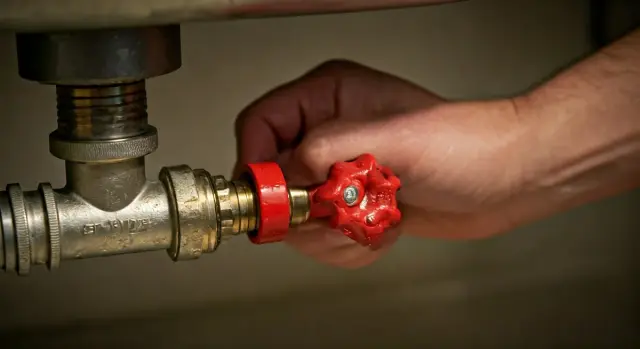
Knowing how to quickly locate and turn off your main stopcock (often called a water shut-off valve) is one of the most crucial pieces of homeowner knowledge. In a plumbing emergency like a burst pipe or a major leak, shutting off your water supply immediately can prevent thousands of pounds worth of damage, not to mention significant disruption and stress. This guide will help you understand what a stopcock is, where to find yours, and how to operate it safely.
What is a Stopcock and Why is it Crucial?
Your main stopcock is the primary valve that controls the flow of cold water into your property. When turned off, it completely isolates your home from the mains water supply. This is vital in emergencies because it stops the flow of water at its source, preventing further flooding and damage until a plumber can arrive. Most homes also have smaller isolation valves (sometimes called stopcocks) for individual appliances like toilets, sinks, or washing machines, but these only affect specific outlets.
Locating Your Main Stopcock
Finding your main stopcock can sometimes be a challenge, as their location varies significantly between properties and across the UK. However, there are several common places to check:
- Under the Kitchen Sink: This is a very common location, often tucked away at the back of the cupboard.
- Utility Room or Downstairs Toilet: Many homes have their stopcock in a utility area or near a ground-floor WC.
- Under the Stairs: Often found in a cupboard or recess beneath the staircase.
- Garage or Cellar: If you have one, these are prime spots for the main water inlet.
- Near the Front Door: Sometimes located inside, close to where the main water pipe enters the property.
Outside Your Property (Boundary Stopcock)
In addition to your internal stopcock, there's usually an external stopcock located at your property's boundary, often near your water meter. This is usually under a small cover in the pavement or garden. While it can shut off water to your entire property, it's typically controlled by your water company. You should only attempt to use your internal stopcock; if you can't find or operate it, or if the leak is before it, contact your water company for assistance with the boundary stopcock.
Tips for Finding It:
- Check Property Plans: If you have them, your home's original plans might indicate the stopcock's location.
- Ask Previous Owners or Neighbours: They might know exactly where to look.
- Listen for Water Flow: With all taps off, listen for the sound of water entering your home; the stopcock will be nearby.
- Look for the Main Water Pipe: Trace the main water supply pipe as it enters your home; the stopcock will be on this pipe.
Tools You Might Need
Having these items handy can make turning off your stopcock easier and safer:
- Adjustable Spanner or Pliers: Some stopcock handles can be stiff or have been painted over, making them hard to turn by hand.
- Flashlight or Head Torch: Often stopcocks are in dark, cramped spaces.
- Old Towels and a Bucket: To catch any residual water or small leaks around the valve.
- Penetrating Oil (e.g., WD-40): For seized or stiff valves (apply and leave for a while before trying to turn).
How to Turn Off Your Main Stopcock (Step-by-Step DIY)
Once you've located your stopcock, here's how to turn it off safely:
- Clear the Area: Ensure you have clear access to the stopcock. Remove any clutter or items that might obstruct your movement.
- Identify the Valve Type: Most internal stopcocks are either a gate valve (with a round handle that you twist) or a ball valve (with a lever handle that you turn 90 degrees).
- Turn Clockwise (Gate Valve): If it's a gate valve, turn the handle clockwise until it is tight and can't be turned any further. Do not force it if it feels seized; apply penetrating oil and try again after a few minutes, or call a professional.
- Turn 90 Degrees (Ball Valve): If it's a ball valve, turn the lever handle so it's perpendicular to the pipe. This indicates it's closed.
- Check for Water Flow: Once you believe the stopcock is off, open the cold water tap furthest from the stopcock (e.g., an upstairs bathroom tap) to confirm the water flow has stopped. You might get a brief gush of water as residual pressure is released, but it should then stop completely.
- Drain the System: To completely drain your cold water system, open all your cold taps and flush your toilets. This helps to reduce pressure and empty the pipes.
Safety Cautions:
- Do Not Force It: Forcing a seized stopcock can damage the valve or the pipework, potentially making the leak worse.
- Be Aware of Surroundings: Ensure there are no electrical wires or gas pipes that could be damaged during the process. Always remember that any work on gas appliances or pipes must only be carried out by Gas Safe registered plumbers.
Internal Isolation Valves
Beyond your main stopcock, many appliances and fixtures have their own smaller isolation valves. These are typically quarter-turn ball valves (with a small lever) or screwdriver-operated valves. They allow you to turn off the water to a specific toilet, sink, washing machine, or dishwasher without affecting the rest of your home's water supply. It's a good idea to know where these are too, as they can be very useful for minor leaks or during maintenance.
When to Call a Professional
While turning off a stopcock is a DIY task, there are times when it's safer and more effective to call in a professional plumber:
- You Cannot Locate Your Main Stopcock: If, after a thorough search, you simply cannot find it.
- The Stopcock is Seized or Won't Turn: Forcing a seized stopcock can cause more damage. A plumber has the tools and expertise to free or replace it safely.
- Water Continues to Flow: If water still flows from your taps after you've turned off the stopcock, it may not be fully closed, or there could be an issue with the valve itself.
- The Leak Persists: If the leak doesn't stop, or if it's a significant burst that requires immediate attention beyond just turning off the water.
- Damage to the Stopcock: If the stopcock itself is leaking or appears damaged.
If you're struggling to locate or operate your stopcock, or if the leak persists, it's time to call in a professional. FixDelivered can connect you with emergency plumbers near you quickly, ensuring a qualified expert is on hand to resolve the issue. To understand how FixDelivered works, visit our guide.
Maintaining Your Stopcock
A stopcock that hasn't been used in years can seize up, making it useless in an emergency. To prevent this:
- Exercise It Annually: Once a year, turn your stopcock fully off and then fully on again. This keeps the mechanism free.
- Lubricate if Stiff: If it feels stiff, apply a little penetrating oil to the spindle (the rod the handle turns) before exercising it.
- Keep Area Clear: Ensure the area around your stopcock is always clear and accessible, so you're not scrambling to move things in a panic.
Conclusion
Knowing where your stopcock is and how to operate it is a fundamental skill for any homeowner. Taking a few minutes now to locate and test yours could save you a significant amount of stress and money in the event of a plumbing emergency. For more advice on common issues, explore our plumbing emergency guides. If you need a professional, tell us your emergency and we'll connect you with a qualified local plumber fast.
Frequently asked questions
How often should I check my stopcock?
You should check your main stopcock at least once a year by turning it fully off and then on again. This helps prevent it from seizing up and ensures it will work when needed in an emergency.
What if my stopcock is seized or won't turn?
Do not force a seized stopcock as you could damage the pipework, potentially making the situation worse. Try applying penetrating oil and leaving it for a while. If it still won't budge after a gentle attempt, or if you're concerned about damaging it, it's best to call a professional plumber to handle it.
Will turning off my stopcock affect my heating?
Turning off your main stopcock will shut off the cold water supply to your entire home, including the cold feed to your boiler. If you have a combi boiler, this means you will no longer have hot water. If you have a conventional system with a hot water cylinder, the hot water already in the cylinder will still be available until used, but it won't be replenished.
Need a plumber now? Tell us your emergency and FixDelivered will find and confirm an available local plumber near you, usually within the hour.
Written by the FixDelivered Team. Reviewed by Rupert Lowe, Editor. Last updated 2026-09-09.