Carbon Monoxide Alarm Going Off: Your Immediate Steps
By The FixDelivered Team · Updated 2026-09-27 · 5 min read
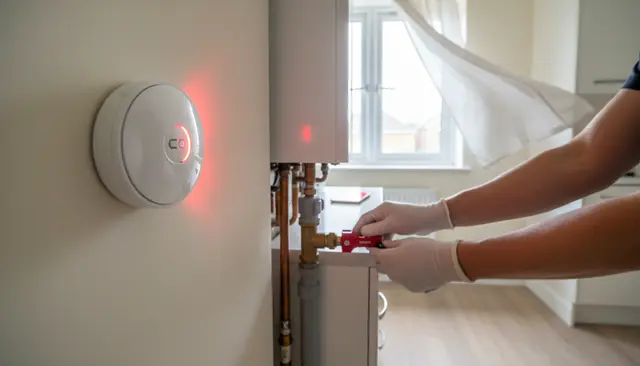
A carbon monoxide (CO) alarm sounding can be a frightening experience, but it’s crucial to remember that the device is doing its job: warning you of a potentially life-threatening danger. Carbon monoxide is known as the ‘silent killer’ because it’s a colourless, odourless, and tasteless gas, making it impossible to detect without an alarm. Knowing exactly what to do when your CO alarm goes off is paramount to ensuring the safety of everyone in your home.
Your Immediate Action Plan
When your carbon monoxide alarm activates, every second counts. Follow these critical steps immediately:
- Evacuate Everyone Immediately: The absolute first step is to get everyone out of the property, including children, elderly relatives, and pets. Do not delay.
- Open Windows and Doors (If Safe): As you leave, if it's quick and safe to do so, open windows and doors to ventilate the property. However, do not re-enter or linger to do this if it puts you at risk.
- Call the Gas Emergency Service: Once safely outside, immediately call the National Gas Emergency Service on 0800 111999. This number is free to call and is available 24/7. Do not call 999 unless someone is unconscious or seriously unwell.
- Do Not Re-enter: Under no circumstances should you re-enter your property until it has been declared safe by a qualified professional from the gas emergency service. They have specialist equipment to detect CO levels.
- Seek Medical Attention: If anyone in your household is experiencing symptoms of carbon monoxide poisoning (headache, dizziness, nausea, vomiting, shortness of breath, collapse), seek immediate medical attention. Call NHS 111 for advice or 999 in an emergency.
- Inform Neighbours (If Applicable): If you live in a multi-occupancy building or suspect the issue might affect neighbouring properties, inform them once you are safely outside and have called the emergency services.
Understanding Carbon Monoxide: The Silent Killer
Carbon monoxide (CO) is a highly toxic gas produced when fuels such as gas, oil, coal, and wood don't burn completely. In homes, this usually happens due to faulty or poorly maintained heating and cooking appliances, blocked flues, or inadequate ventilation. Because you can't see, smell, or taste it, a working CO alarm is your only defence.
Common Symptoms of CO Poisoning
The symptoms of CO poisoning can easily be mistaken for common illnesses like the flu, food poisoning, or a hangover. They include:
- Headaches
- Dizziness
- Nausea and vomiting
- Fatigue and drowsiness
- Stomach pain
- Shortness of breath
- Collapse and loss of consciousness
Prolonged exposure, or exposure to high concentrations, can lead to severe neurological damage, coma, and even death.
What Causes a CO Alarm to Go Off?
Your CO alarm is designed to detect dangerous levels of carbon monoxide. If it goes off, it's indicating that CO is present. Common reasons include:
- Faulty or Poorly Maintained Appliances: Gas boilers, fires, cookers, and even solid fuel appliances like wood burners can produce CO if they are not burning fuel efficiently or are not regularly serviced.
- Blocked Flues or Chimneys: A blockage (e.g., bird's nest, debris) can prevent exhaust gases from escaping safely, causing CO to build up indoors.
- Inadequate Ventilation: Appliances need a constant supply of fresh air to burn fuel completely. Poor ventilation can lead to incomplete combustion and CO production.
- Improper Appliance Installation: Incorrectly installed appliances are a significant risk. All gas appliances must be installed and serviced by a Gas Safe registered plumber.
- Expired or Faulty Alarm: While less common for an active alarm, CO alarms have a lifespan (typically 5-7 years). An alarm nearing the end of its life might malfunction, though usually, this results in a 'fault' or 'end of life' warning rather than a full CO alert. Always check the expiry date on your alarm.
After the Emergency: Ensuring Long-Term Safety
Once the gas emergency service has declared your property safe, it’s vital to address the underlying cause of the CO leak. This is not a DIY job; it requires professional expertise.
- Professional Appliance Inspection: The most crucial step is to have all gas appliances, flues, and ventilation systems inspected and repaired by a qualified Gas Safe registered plumber. They will identify the source of the CO and ensure it's made safe. Do not use any appliance suspected of causing the leak until it has been professionally checked and certified safe.
- Check Your CO Alarm: Replace the batteries if necessary and check the alarm's expiry date. Most CO alarms have a test button; press it regularly to ensure it's working. If your alarm is old, consider replacing it.
- Regular Servicing: To prevent future incidents, ensure all gas appliances (boilers, fires, cookers) are serviced annually by a Gas Safe registered engineer. For solid fuel appliances, ensure chimneys are swept annually.
- Ensure Adequate Ventilation: Never block air vents or seal up flues. Ensure there's always sufficient ventilation for your appliances.
Preventing Carbon Monoxide Incidents
Prevention is always better than cure. Here's how to minimise your risk:
- Install CO Alarms: Fit CO alarms in every room containing a fuel-burning appliance, and ideally in bedrooms and living areas. Ensure they meet British Standards (BS EN 50291). A good quality alarm can cost anywhere from £20 to £50.
- Annual Appliance Servicing: Book an annual service for all your gas appliances. This typically costs between £80 and £120 for a boiler service, but can vary. A professional will check for efficient combustion and any potential CO risks. You can easily get a plumber now through FixDelivered to arrange this.
- Know the Symptoms: Be aware of the symptoms of CO poisoning, especially if they clear up when you leave the house and return when you are back inside.
- Check for Warning Signs: Look out for yellow/orange flames (instead of crisp blue) from gas appliances, soot or staining around appliances, excessive condensation, and pilot lights that frequently blow out.
When to Call a Professional
When it comes to carbon monoxide, the answer is always: immediately, and then for follow-up. Your initial call should always be to the National Gas Emergency Service (0800 111999) if your alarm goes off. Once they have made the property safe, you absolutely must engage a Gas Safe registered plumber to inspect, diagnose, and repair the faulty appliance or system. Never attempt to fix gas appliances yourself. For routine annual servicing of gas appliances, or to get a new CO alarm installed, FixDelivered can connect you with qualified local professionals quickly. Simply tell us your emergency (or service need) and we’ll match you with a trusted engineer. Learn more about how FixDelivered works.
Frequently asked questions
What should I do first if my CO alarm goes off?
Immediately evacuate everyone from the property, including pets, and then call the National Gas Emergency Service on 0800 111999 from a safe location.
Can I re-enter my house after the CO alarm sounds?
No, you must not re-enter your property until it has been declared safe by a qualified professional from the gas emergency service.
How often should I have my gas boiler serviced?
All gas appliances, including boilers, should be serviced annually by a Gas Safe registered engineer to ensure they are operating safely and efficiently.
What are the symptoms of carbon monoxide poisoning?
Common symptoms include headaches, dizziness, nausea, vomiting, fatigue, and shortness of breath, often mistaken for flu. Seek medical attention if you experience these.
How much does a CO alarm cost?
A reliable carbon monoxide alarm meeting British Standards typically costs between £20 and £50.
Need a plumber now? Tell us your emergency and FixDelivered will find and confirm an available local plumber near you, usually within the hour.
Written by the FixDelivered Team. Reviewed by Rupert Lowe, Editor. Last updated 2026-09-27.