Boiler Leaking Water: Your Immediate Action Plan
By The FixDelivered Team · Updated 2026-09-14 · 6 min read
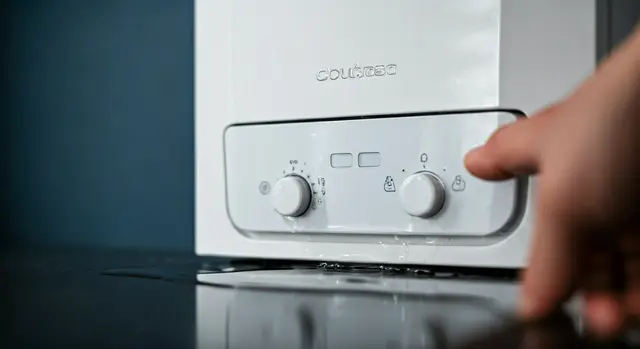
Discovering water leaking from your boiler can be a worrying experience. While some leaks might seem minor, any water escaping from your boiler system needs immediate attention due to the potential for damage, electrical hazards, and gas safety concerns. This guide will walk you through the essential steps to take right now, assess the potential risks, and explain when and how to call in a professional.
Is a Leaking Boiler Safe?
The safety of a leaking boiler depends on several factors, including the source and volume of the leak. However, the general rule is to treat any boiler leak with caution:
- Electrical Hazard: Water and electricity are a dangerous combination. If water comes into contact with electrical components, it can cause a short circuit, electric shock, or even a fire.
- Gas Hazard: While a water leak doesn't directly indicate a gas leak, a fault within the boiler could compromise its structural integrity, potentially leading to other issues. Never attempt to inspect or repair internal boiler components yourself.
- Water Damage: Even a slow drip can cause significant damage to your property over time, including flooring, ceilings, and internal structures, as well as fostering mould growth.
- Boiler Functionality: A leak means your boiler isn't operating correctly, which could lead to a loss of heating and hot water, or more serious breakdowns.
Given these risks, it's always safest to assume a leak is serious until a qualified professional says otherwise.
Immediate Steps to Take When Your Boiler Leaks
Your primary goal is to make the situation safe and prevent further damage. Follow these steps carefully:
- Turn Off the Boiler's Electrical Supply: This is the most crucial first step to prevent electrocution. Go to your fuse box (consumer unit) and switch off the dedicated circuit breaker for your boiler, or unplug it if it's connected via a standard plug socket.
- Turn Off the Boiler's Gas Supply: Locate the gas isolation valve, which is usually a yellow or red lever on the gas pipe leading to your boiler. Turn it 90 degrees so it's perpendicular to the pipe. This will shut off the gas supply to the boiler.
- Isolate the Water Supply to the Boiler: There should be isolation valves on the flow and return pipes directly underneath your boiler. Turn these off (usually a quarter turn with a flathead screwdriver or by hand). If you can't find these, or if the leak is significant, you may need to turn off your home's main stopcock, which will cut off the water supply to your entire property.
- Contain the Leak: Place buckets, towels, or old sheets under the leak to catch any escaping water. This will help minimise water damage to your floors and surrounding areas.
- Identify the Source (Carefully): Once the power and water supplies are off, and it's safe to do so, try to observe where the water is coming from. Note whether it's from a pipe, a joint, the bottom of the boiler, or another component. Do not touch any internal parts of the boiler. This information will be useful when you speak to a plumber.
- Call a Gas Safe Registered Engineer: A leaking boiler always requires professional attention. It's imperative to contact a Gas Safe registered plumber. They are legally qualified to work on gas appliances and diagnose boiler faults safely.
Common Reasons for a Leaking Boiler
Understanding the common causes can help you describe the problem to your plumber more accurately:
- Pressure Relief Valve (PRV): If your boiler pressure gets too high, the PRV releases excess water to prevent damage. A leaking PRV could indicate high system pressure, a faulty valve, or a blockage.
- Pump Seals: The pump circulates water around your heating system. Over time, the seals within the pump can wear out, leading to leaks, often seen around the pump housing.
- Heat Exchanger: This is a critical component where heat is transferred. A crack or corrosion in the heat exchanger is a serious issue, often leading to significant leaks and potentially requiring a costly repair or a new boiler.
- Loose Pipework or Fittings: Over time, connections can become loose due to vibrations, or seals can degrade, leading to drips from pipe joints.
- Corrosion: Internal corrosion, often caused by sludge or acidic water, can create pinhole leaks in pipes or boiler components.
- Condensate Pipe: For condensing boilers, the condensate pipe removes acidic wastewater. If this pipe becomes blocked (especially in cold weather, due to freezing) or damaged, it can cause water to back up and leak from the boiler. This is often mistaken for a serious internal leak.
When to Call a Professional
The answer is simple: always. Even if the leak seems minor, a boiler is a complex and potentially dangerous appliance. Attempting DIY repairs on internal boiler components or gas lines is illegal, highly dangerous, and could invalidate your boiler's warranty and your home insurance.
For a swift and reliable service, you can tell us your emergency and we'll connect you with qualified local plumbers.
What to Tell the Plumber
When you call, provide as much detail as possible:
- The make and model of your boiler (if known).
- When you first noticed the leak.
- How much water is leaking (drip, steady stream, puddle size).
- Where the water appears to be coming from.
- Any other unusual symptoms (e.g., boiler making strange noises, loss of pressure, no heating).
- What steps you've already taken (e.g., turned off power, gas, water).
Cost of Repairing a Leaking Boiler (2026 UK Estimates)
The cost to fix a leaking boiler varies significantly based on the cause, the parts required, and the plumber's labour rates. As a rough guide for 2026 in the UK:
- Emergency Call-Out Fee: Expect to pay £80-£120 just for the plumber to attend, with emergency or weekend call-outs potentially higher.
- Condensate Pipe Unblocking/Repair: Typically £80-£150, often a quick fix.
- Replacing a Pressure Relief Valve (PRV): Usually £200-£350, including parts and labour.
- Replacing Pump Seals: Around £150-£250.
- Replacing the Boiler Pump: This can range from £300-£500.
- Repairing Loose Fittings/Corroded Pipework: £150-£300, depending on accessibility and severity.
- Heat Exchanger Replacement: This is a major repair, often costing £600 to £1500 or more. In many cases, if the boiler is older, replacing the heat exchanger isn't cost-effective, and a new boiler installation is recommended.
These figures are estimates and can vary by region and the specific plumber. Always ask for a clear quote before work begins. FixDelivered helps you get upfront pricing from emergency plumbers near you.
Preventing Boiler Leaks
While not all leaks can be prevented, regular maintenance significantly reduces the risk:
- Annual Boiler Service: A Gas Safe registered engineer will inspect your boiler, identify potential issues, and ensure it's running efficiently and safely. This is the single most effective preventative measure.
- Monitor Boiler Pressure: Keep an eye on your boiler's pressure gauge. If it's consistently too high or too low, it could indicate a problem.
- Bleed Radiators: Trapped air in the system can contribute to pressure fluctuations.
- Check for Visible Corrosion: Periodically inspect visible pipework and the boiler casing for any signs of rust or dampness.
A leaking boiler is a problem that requires immediate and professional attention. By following the safety steps outlined above and contacting a Gas Safe registered engineer, you can ensure the issue is resolved safely and efficiently. If you need to find a qualified professional fast, how FixDelivered works is to connect you with local plumbers who can address your boiler emergency.
Frequently asked questions
Is a boiler leak dangerous?
Yes, a leaking boiler can be dangerous. Water can come into contact with electrical components, posing a risk of electric shock or fire. While not directly indicating a gas leak, a fault causing the leak could compromise the boiler's integrity. Always treat a leak with caution and turn off both the electrical and gas supply immediately.
Can I fix a boiler leak myself?
No, you should never attempt to fix a boiler leak yourself. Boilers are complex gas appliances, and any work on internal components or gas lines must be carried out by a Gas Safe registered engineer. Attempting DIY repairs is illegal, extremely dangerous, and can invalidate your warranty and insurance.
How much does it cost to fix a leaking boiler?
The cost to fix a leaking boiler in the UK (2026) typically ranges from £80-£120 for an emergency call-out fee, plus repair costs. Minor repairs like a condensate pipe unblock might be £80-£150, while replacing a pressure relief valve could be £200-£350. Major repairs like a heat exchanger replacement can cost £600-£1500+, sometimes making a new boiler a more cost-effective option.
What causes a boiler to leak water?
Common causes of boiler leaks include a faulty pressure relief valve (PRV), worn pump seals, corrosion or cracks in the heat exchanger, loose pipework or fittings, internal corrosion, or a blocked/damaged condensate pipe (for condensing boilers). A Gas Safe engineer can accurately diagnose the specific cause.
What should I do immediately if my boiler is leaking?
Immediately turn off your boiler's electrical supply at the fuse box, then turn off the gas supply using the isolation valve on the gas pipe. Next, isolate the water supply to the boiler or turn off your home's main stopcock. Place buckets and towels to contain the water, and then call a Gas Safe registered engineer for professional help.
Need a plumber now? Tell us your emergency and FixDelivered will find and confirm an available local plumber near you, usually within the hour.
Written by the FixDelivered Team. Reviewed by Rupert Lowe, Editor. Last updated 2026-09-14.