Boiler Not Working? Emergency or DIY Fix for 2026
By The FixDelivered Team · Updated 2026-09-04 · 6 min read
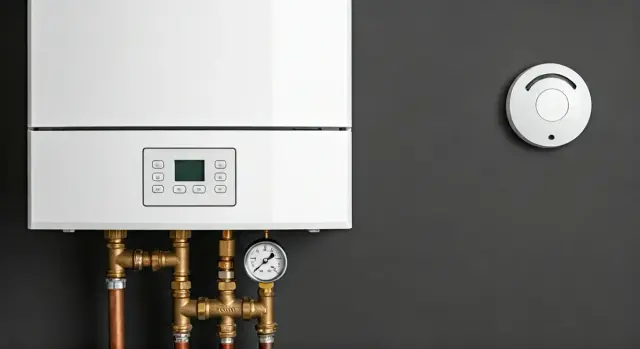
Waking up to a cold house or no hot water because your boiler has stopped working is never ideal. It can be difficult to know whether it's a simple fix you can handle yourself or a serious emergency requiring professional help. This guide will walk you through safe diagnostic steps, common DIY solutions, and crucially, when to call a Gas Safe registered engineer.
Is Your Boiler Breakdown an Emergency?
Not every boiler problem is an immediate emergency. However, some situations demand urgent professional attention:
- Smell of Gas: This is the most critical emergency. If you smell gas, turn off your gas supply at the meter, open windows and doors, and evacuate your property. Do NOT operate any electrical switches or appliances. Call the National Gas Emergency Service (0800 111999) and then a Gas Safe registered engineer immediately.
- Carbon Monoxide Alarm Activation: If your CO alarm sounds, evacuate immediately, leaving windows and doors open. Call the National Gas Emergency Service and a Gas Safe engineer. Carbon monoxide is odourless, colourless, and deadly.
- Major Leak: A significant water leak from your boiler could damage your property. Turn off your boiler and your main water supply, then call an emergency plumbers near you.
- No Heating or Hot Water in Vulnerable Households: If you have young children, elderly residents, or individuals with health conditions, a lack of heating or hot water, especially during colder months, constitutes an emergency.
- Persistent Faults: If you've tried basic troubleshooting and the boiler still isn't working, or it's making unusual noises, it's time for professional help.
Safe DIY Checks for Common Boiler Issues
Before calling an engineer, there are several safe checks you can perform. Remember, never attempt to open your boiler's casing or tamper with internal components. This must only be done by a Gas Safe registered engineer.
1. Check Your Power Supply
- Is the Boiler Switched On? Sounds obvious, but check the boiler's power switch and any fused spur switch on the wall near the boiler.
- Check Your Fuse Box: A tripped fuse or RCD (Residual Current Device) could be the culprit. Reset any tripped switches. If it trips again immediately, do not keep resetting it; call an electrician or a Gas Safe engineer.
- Is Your Pre-Payment Meter Out of Credit? If you have a pre-payment meter, ensure it has sufficient credit.
2. Check Your Thermostat and Programmer
- Is it On and Set Correctly? Ensure your room thermostat is set to a temperature higher than the current room temperature and that the boiler programme is set to 'on' or 'auto'.
- Check Thermostat Batteries: Many wireless thermostats run on batteries. Try replacing them.
- Override Function: Most programmers have an override button to temporarily switch the heating on or off. Try using this.
3. Check Boiler Pressure
Low boiler pressure is a common issue. Your boiler will have a pressure gauge, usually with a green zone indicating the optimal range (typically 1-1.5 bar when cold). If it's below 1 bar, you may need to repressurise it.
How to Repressurise (General Guide - ALWAYS check your boiler's manual first):
- Locate the filling loop (a metal hose with two valves, usually underneath your boiler).
- Ensure both ends of the filling loop are securely attached.
- Slowly open one valve, then the other, allowing water to enter the system. You should hear water filling.
- Watch the pressure gauge. When it reaches 1.0-1.5 bar (or as specified in your manual), close both valves, starting with the second one you opened, then the first.
- Check the pressure again after a few minutes. If it drops quickly, you might have a leak, and you'll need a professional.
- If your boiler has a reset button, press and hold it for a few seconds after repressurising.
Tools Needed: Your boiler's instruction manual.
Safety Caution: Over-pressurising can damage your system. Follow your manual precisely. If you're unsure, call a Gas Safe engineer.
4. Check for a Frozen Condensate Pipe
If your boiler is a condensing type (most modern boilers are) and it's cold outside, the condensate pipe can freeze, causing a blockage and shutting down the boiler. This pipe is usually a plastic pipe running from your boiler to an outside drain.
How to Thaw a Frozen Condensate Pipe:
- Locate the blockage (often where the pipe bends or exits the wall).
- Pour warm (not boiling!) water over the frozen section, or apply a hot water bottle or a warm, damp cloth.
- Once thawed, you should hear water draining.
- Reset your boiler.
Tools Needed: Kettle, jug, hot water bottle.
Safety Caution: Never use boiling water as it can crack the plastic pipe. Be careful not to spill water onto electrical components.
5. Pilot Light Out (for older boilers)
If you have an older boiler, a tripped pilot light could be the issue. Consult your boiler's manual for instructions on how to safely relight it. Modern boilers usually have electronic ignition and don't have a constantly burning pilot light.
Safety Caution: If the pilot light repeatedly goes out, or you smell gas, do NOT attempt to relight it. Call a Gas Safe registered engineer.
When to Call a Professional
If you've tried the above steps and your boiler still isn't working, or if you encounter any of the emergency situations mentioned earlier, it's time to call a professional. For any work involving gas or the internal components of a boiler, you must use a Gas Safe registered plumbers.
A Gas Safe engineer is legally qualified and trained to work safely and effectively on gas appliances. You can check an engineer's Gas Safe registration card before they start work.
What to Expect from a Boiler Repair Engineer
When you call an engineer, they will diagnose the problem. Typical costs for boiler repairs in 2026 UK can vary:
- Call-out Fee: Expect £60-£100 for a standard call-out during normal hours. For an emergency or out-of-hours service, this could rise to £100-£200. This fee often covers the first hour of diagnosis.
- Hourly Rate: After the initial call-out, hourly rates typically range from £70-£120.
- Parts: The cost of parts varies significantly. A minor part like a sensor might be £50-£150, while a new pump or fan could be £200-£400.
- Total Repair Cost: For common issues like a frozen condensate pipe (if you call an engineer), expect £80-£150. For a new pressure relief valve, it might be £150-£300. More complex repairs involving major components could be £300-£600+.
Always ask for a clear breakdown of costs and an estimate before any work begins. For urgent issues, you can tell us your emergency and we can connect you with qualified local plumbers.
Finding a Reliable Engineer Quickly
When your boiler breaks down, you need a trusted professional fast. FixDelivered connects you with qualified local plumbers, including Gas Safe registered engineers, for all types of boiler issues. We make it easy to find an expert who can diagnose and fix your problem efficiently.
Our service allows you to quickly find emergency plumbers near you. You can learn more about how FixDelivered works and how we ensure you get a reliable, pre-vetted professional.
Conclusion
A boiler breakdown can be stressful, but by following these safe diagnostic steps, you can often identify and resolve minor issues yourself. For anything beyond these basic checks, or if you suspect a gas leak or carbon monoxide, always prioritise safety and call a Gas Safe registered engineer. Don't hesitate to reach out for professional help when needed; it's always better to be safe than sorry when it comes to gas appliances. If you need a trustworthy Gas Safe engineer quickly, visit FixDelivered to get connected with a local expert.
Frequently asked questions
What should I do if I smell gas near my boiler?
If you smell gas, immediately turn off your gas supply at the meter, open all windows and doors, and evacuate your property. Do not operate any electrical switches. Call the National Gas Emergency Service (0800 111999) and a Gas Safe registered engineer straight away.
How much does it cost to get a boiler repaired in the UK in 2026?
Boiler repair costs vary. Expect a call-out fee of £60-£100 for standard hours, rising to £100-£200 for emergencies. Hourly rates are typically £70-£120. Total repair costs can range from £80 for a simple fix like a frozen condensate pipe to £300-£600+ for major component replacements, plus parts.
Can I fix my boiler myself if it's not working?
You can safely perform basic checks like ensuring the power is on, checking thermostat settings, repressurising low pressure (following your manual), or thawing a frozen condensate pipe. However, never open the boiler casing or tamper with internal components. Any work inside the boiler or involving gas must be done by a Gas Safe registered engineer.
Need a plumber now? Tell us your emergency and FixDelivered will find and confirm an available local plumber near you, usually within the hour.
Written by the FixDelivered Team. Reviewed by Rupert Lowe, Editor. Last updated 2026-09-04.