Blocked Drain Backing Up? Fixes & Prevention
By The FixDelivered Team · Updated 2026-09-07 · 8 min read
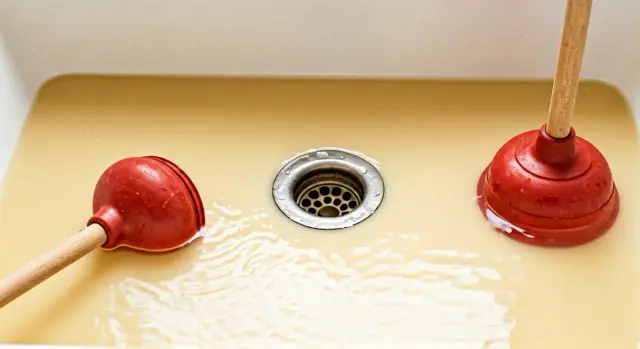
Few household emergencies are as unpleasant or potentially damaging as a drain that's backing up. Whether it's your kitchen sink, shower, or toilet, a blocked drain can quickly escalate, causing water damage, hygiene issues, and a significant amount of stress. Acting quickly and effectively is key to minimising the disruption.
Why Drains Back Up: Common Causes
Understanding the culprits behind a blocked drain can help you tackle the issue and prevent future occurrences. Here are the most common reasons:
- Hair and Soap Scum: In bathrooms, a combination of shed hair and congealed soap scum is a primary offender, forming stubborn clogs in pipes.
- Grease and Food Scraps: Kitchen sinks frequently suffer from blockages caused by cooking fats, oils, and small food particles that solidify in pipes.
- Foreign Objects: Items that shouldn't be flushed, such as wet wipes (even 'flushable' ones), sanitary products, cotton buds, and children's toys, are major causes of toilet and main drain blockages.
- Tree Roots: For outdoor drains and underground pipes, invasive tree roots seeking moisture can penetrate cracks and grow, completely blocking the flow.
- Structural Issues: Older pipes can collapse, crack, or suffer from subsidence, creating points where debris collects and causes blockages.
- Sewer Line Problems: If multiple drains in your home are backing up simultaneously, it could indicate a more serious blockage in the main sewer line connecting your property to the public sewer system.
Immediate Steps When Your Drain Backs Up
When you first notice a drain backing up, take these immediate actions to prevent further damage and assess the situation:
- Stop Using Water: Immediately cease using any taps, showers, or toilets connected to the affected drain. This prevents more water from entering the system and worsening the overflow.
- Identify the Source: Determine if it's a single fixture (e.g., just the kitchen sink) or multiple drains (e.g., toilet, shower, and sink all backing up). Multiple affected drains often point to a main line blockage.
- Safety First: If the water is dirty or contains sewage, wear rubber gloves and, if possible, eye protection. Ensure good ventilation, especially if you plan to use chemical cleaners.
- Clear Visible Debris: Carefully remove any obvious debris from the drain opening, such as hair from a shower drain or food scraps from a sink.
DIY Solutions for Blocked Drains
For isolated blockages, there are several DIY methods you can try before calling in a professional. Remember to exercise caution and follow instructions carefully.
1. The Plunger Technique
A simple plunger is often surprisingly effective for minor blockages.
- Tools: A cup-style plunger for sinks and showers, or a flange-style plunger for toilets; old towels.
- Steps:
- Ensure there's enough water in the sink or toilet to cover the plunger's cup.
- Create a tight seal around the drain with the plunger. If working on a double sink, block the second drain with a wet cloth. For sinks with an overflow, cover it tightly.
- Push down firmly and then pull up sharply several times. Repeat this plunging action for about 20-30 seconds.
- Remove the plunger quickly to break the seal and check if the water drains. Repeat if necessary.
- Safety Caution: Never use a plunger if you've recently poured chemical drain cleaner into the drain, as it could splash corrosive liquids onto you.
2. Bicarbonate of Soda and Vinegar
This natural remedy creates a fizzing reaction that can help break down minor clogs.
- Tools: Half a cup of bicarbonate of soda, half a cup of white vinegar, boiling water (optional).
- Steps:
- Pour the bicarbonate of soda down the drain.
- Immediately follow with the white vinegar. You should hear a fizzing sound.
- Let it sit for at least 30 minutes, or preferably overnight.
- Flush the drain with hot water. For more stubborn clogs, you can follow with a kettle of boiling water (ensure your pipes can handle boiling water – not recommended for PVC pipes if very old or damaged).
- Safety Caution: Ensure good ventilation. Never mix bicarbonate of soda and vinegar with commercial chemical drain cleaners, as this can produce dangerous fumes.
3. Manual Drain Snake or Auger
A drain snake (or plumber's snake) is a flexible coil of wire that can physically dislodge blockages further down the pipe.
- Tools: Manual drain snake/auger (typically 5-10 metres long), gloves, a bucket.
- Steps:
- Feed the end of the snake into the drain opening.
- Push it gently until you feel resistance, which indicates the blockage.
- Rotate the handle of the snake to either break up the clog or hook onto it.
- Slowly pull the snake back out, hopefully bringing the blockage with it.
- Dispose of any retrieved debris properly into a bin, not back down the drain.
- Run hot water for a few minutes to flush the pipe.
- Safety Caution: Do not force the snake, as it could damage your pipes. Wear gloves to handle the snake and the debris.
4. Chemical or Enzymatic Drain Cleaners
These products are designed to dissolve organic matter. Enzymatic cleaners are generally safer for pipes and the environment than harsh chemical ones.
- Tools: Chosen drain cleaner, rubber gloves, eye protection, good ventilation.
- Steps:
- Read the product instructions carefully and follow them precisely.
- Ensure the area is well-ventilated.
- Pour the recommended amount into the drain.
- Wait the specified time (typically 15-30 minutes, or longer for enzymatic).
- Flush with plenty of cold water.
- Safety Caution: Chemical drain cleaners are highly corrosive. Always wear gloves and eye protection. Never mix different types of cleaners, as this can create toxic gases. Do not use them in drains that are completely blocked and standing with water, as the chemicals will not reach the blockage effectively and can sit in your pipes, potentially causing damage. They are also not recommended for all pipe types, especially older or delicate ones.
When to Call a Professional Plumber
While DIY solutions can be effective for minor clogs, there are clear signs that it's time to call in the experts:
- Persistent Blockages: If your DIY attempts haven't cleared the blockage after a couple of tries.
- Multiple Drains Affected: If your toilet, shower, and sink are all backing up, it strongly suggests a blockage in your main waste pipe or even the external sewer line.
- Foul Odours or Visible Sewage: These are serious indicators of a significant blockage that could pose health risks.
- Outdoor Drain Issues: If your external drains, manholes, or inspection chambers are overflowing, the problem is likely beyond internal plumbing.
- Suspected Structural Damage: If you suspect tree roots or a collapsed pipe, professional diagnostic tools are needed.
- Lack of Confidence: If you're unsure or uncomfortable with any DIY method, it's always best to err on the side of caution and call a professional.
For urgent help, you can quickly find emergency plumbers near you through FixDelivered.
Professional Drain Unblocking Services
When DIY isn't enough, professional plumbers have specialised tools and expertise to tackle even the most stubborn blockages.
High-Pressure Water Jetting
This method uses powerful jets of water to blast through blockages, clear debris, and clean the inside of pipes, restoring them to full flow. It's highly effective for grease, scale, and even some tree root ingress.
Mechanical Rodding
More powerful than a manual snake, mechanical rodding uses a motorised auger to cut through tough blockages like tree roots or compacted debris.
CCTV Drain Surveys
If the cause of the blockage isn't obvious, plumbers can use small cameras to inspect the inside of your pipes. This helps identify the exact location and nature of the problem, such as cracks, collapses, or root intrusion, allowing for targeted repairs.
You can find a local plumber quickly and easily with FixDelivered.
Preventing Future Drain Blockages
Prevention is always better than cure. Adopt these habits to keep your drains flowing freely:
- Use Drain Grates: Install strainers or grates in sinks and showers to catch hair and food particles.
- Dispose of Grease Properly: Never pour cooking oil or grease down the drain. Let it cool and solidify, then scrape it into the bin.
- Be Mindful of What You Flush: Only flush human waste and toilet paper. Nothing else, not even 'flushable' wipes.
- Regular Hot Water Flushes: Periodically run hot water down your drains for a few minutes to help clear minor build-ups.
- Annual Inspections: For older properties or those prone to blockages, consider a professional drain inspection every year or two.
Understanding the Cost of Drain Unblocking (2026 UK Guide)
Costs for drain unblocking can vary significantly based on the severity of the blockage, the equipment needed, and whether it's an emergency. As a rough guide for 2026 in the UK:
- DIY Tools: A good plunger or drain snake will typically cost between £10 and £50. Chemical or enzymatic cleaners range from £5 to £15.
- Standard Professional Call-Out: For a plumber during normal working hours, you can expect a call-out fee of £70 to £120.
- Simple Blockage Unblocking: For a straightforward internal blockage that can be cleared with basic tools, expect to pay £150 to £250, including the call-out.
- Complex Blockages (Jetting, CCTV): If specialist equipment like high-pressure jetting or a CCTV survey is required, costs can range from £250 to £500+, depending on the time taken and complexity.
- Emergency Call-Out: Out-of-hours, weekend, or bank holiday emergency call-outs will incur higher charges, potentially starting from £100-£200 just for the call-out, with the total cost for unblocking often reaching £250-£500 or more.
Typically, if the blockage is within your property's boundary and affects only your drains, it's your responsibility as the homeowner. For tenants, check your tenancy agreement; usually, minor blockages are tenant responsibility, while major structural issues are the landlord's.
A blocked drain backing up is more than just an inconvenience; it can signal a deeper problem. By understanding the causes, trying appropriate DIY fixes, and knowing when to call a professional, you can protect your home and restore peace of mind. For fast, reliable help from qualified local plumbers, tell us your emergency and FixDelivered can connect you with the right expert.
Frequently asked questions
What causes a drain to back up?
Drains typically back up due to blockages from hair, soap scum, grease, food scraps, or foreign objects like wet wipes. More serious causes can include tree roots invading pipes, structural damage to pipes, or blockages in the main sewer line.
Can I use chemical drain cleaner for a backing-up drain?
Chemical drain cleaners can sometimes work for minor clogs, but they are corrosive and should be used with extreme caution, following instructions precisely. Never mix them with other cleaners or use them if the drain is completely blocked with standing water. Enzymatic cleaners are a safer, more eco-friendly alternative. For severe or recurring blockages, professional help is recommended.
When should I call a professional plumber for a blocked drain?
You should call a professional plumber if DIY methods fail, if multiple drains are backing up (indicating a main line issue), if there are foul odours or visible sewage, if outdoor drains are affected, or if you suspect structural damage or tree roots. Professionals have specialist tools like drain snakes, water jetters, and CCTV cameras to diagnose and clear complex blockages.
How much does it cost to unblock a drain in the UK?
In 2026, DIY tools cost £10-£50. A professional plumber's standard call-out typically costs £70-£120, with simple blockages costing £150-£250. More complex issues requiring high-pressure jetting or CCTV surveys can range from £250-£500+. Emergency call-outs outside normal hours will incur higher fees, potentially £250-£500+ in total.
Need a plumber now? Tell us your emergency and FixDelivered will find and confirm an available local plumber near you, usually within the hour.
Written by the FixDelivered Team. Reviewed by Rupert Lowe, Editor. Last updated 2026-09-07.