Advice & guides › Costs & Pricing
Water Leak Repair Cost UK 2026: What You'll Pay
By The FixDelivered Team · Updated 2026-09-19 · 7 min read
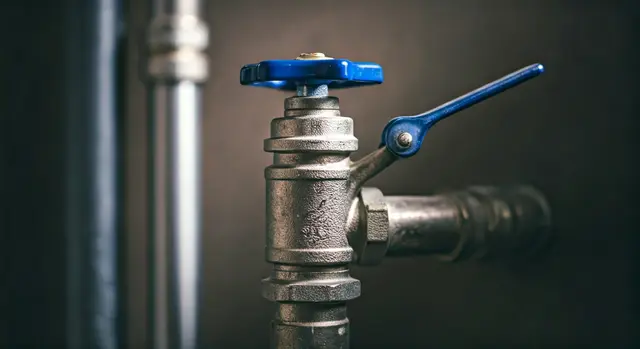
A water leak, no matter how small, can quickly escalate from a minor annoyance to a significant problem, causing structural damage, mould, and higher water bills. Understanding the potential costs involved in fixing a leak in the UK for 2026 can help you budget and act quickly. This guide breaks down typical prices, factors influencing costs, and when to call a professional.
Understanding Water Leak Repair Costs in the UK (2026)
The cost to fix a water leak varies considerably, depending on the leak's location, severity, and accessibility. Typically, you'll pay a call-out fee and an hourly rate for the plumber's time, plus the cost of any parts needed.
Typical Plumber Rates (2026 Estimates)
- Standard Call-out Fee: Expect to pay between £70 and £150 for a plumber to visit during standard working hours (Monday-Friday, 8 am-5 pm).
- Emergency Call-out Fee: For urgent repairs outside standard hours, weekends, or bank holidays, this can jump to £150-£300, sometimes more, especially in London.
- Hourly Rate: Standard hourly rates typically range from £60 to £100. For emergency work, this can increase to £100-£150+ per hour.
- Day Rate: Some plumbers offer a day rate for larger jobs, usually £400-£700.
These figures are averages, and prices can vary based on your location within the UK, with London and the South East often seeing higher rates.
Cost Breakdown by Type of Leak
Here’s a rough guide to what you might expect to pay for different common types of water leaks:
1. Dripping Taps or Leaky Toilets
These are often the simplest and cheapest leaks to fix, sometimes even a DIY job if you're competent. A professional plumber will typically charge for their call-out and 30-60 minutes of labour.
- Cost: £100 - £200 (including call-out and minor parts like washers or cartridges).
- What's involved: Replacing a worn washer, O-ring, or a faulty tap cartridge. For toilets, it might be a new flush mechanism or fill valve.
2. Visible Pipe Leaks (Under Sinks, Exposed Pipes)
Leaks from accessible pipes, such as those under a sink, behind a washing machine, or in an airing cupboard, are usually straightforward to repair. The cost will depend on whether a simple joint needs tightening or if a section of pipe needs replacing.
- Cost: £150 - £350.
- What's involved: Tightening connections, replacing a faulty compression fitting, or cutting out and replacing a small section of damaged pipe.
3. Leaks from Radiators or Central Heating Systems
Leaks from radiators, valves, or pipework within your central heating system can be common. If the leak is from the boiler itself, it's crucial to consult a Gas Safe registered plumber.
- Cost: £180 - £450, depending on accessibility and the part needing replacement (e.g., radiator valve, pipe section).
- What's involved: Replacing a faulty radiator valve, tightening a joint, or repairing a pinhole leak in a pipe. If it's a boiler component, costs can be higher and require specialist expertise.
4. Hidden Leaks (Under Floors, Behind Walls)
These are often the most expensive and disruptive leaks to fix. Finding the leak can require specialist detection equipment, and accessing it usually involves removing floorboards, plasterboard, or tiles.
- Cost: £400 - £1,000+, potentially much more if extensive damage or structural work is required.
- What's involved:
- Leak detection: Specialist equipment (acoustic, thermal imaging, tracer gas) to pinpoint the source. This alone can cost £200-£500.
- Access: Removing flooring, cutting into walls, or digging up concrete.
- Repair: Fixing or replacing the damaged pipe section.
- Reinstatement: Repairing the damage caused by accessing the leak (plastering, tiling, flooring). This is often a separate cost and can significantly add to the overall bill.
5. External Water Main Leaks
If the leak is on your property's side of the external stopcock, it's your responsibility. These can be complex and require excavation.
- Cost: £500 - £2,000+, depending on the depth, length of pipe, and ease of access.
- What's involved: Locating the leak, excavating the ground, repairing or replacing the damaged section of the main water supply pipe, and then backfilling and making good the ground surface.
Factors Influencing Leak Repair Costs
Several factors can push the price up or down:
- Emergency vs. Scheduled Work: Emergency call-outs are always more expensive.
- Location: Plumbers in urban areas, especially London, typically charge more.
- Accessibility: A leak that's easy to reach (e.g., under a sink) will be cheaper to fix than one hidden behind a wall or under a concrete floor.
- Leak Detection: If the leak isn't obvious, specialist leak detection services will add to the cost.
- Parts Required: A simple washer is pennies; a new tap, a complex valve, or a section of specialist pipework will cost more.
- Extent of Damage: If the leak has caused secondary damage (e.g., ruined plaster, warped floorboards, electrical issues), these repairs will be additional costs, often requiring other trades.
- Plumber's Experience and Reputation: Highly experienced plumbers or those with excellent reputations may charge a premium.
When to Call a Professional
While some very minor, accessible leaks (like a dripping tap or a loose connection under a sink) can be tackled by a competent DIYer, it's almost always best to call a professional plumber for:
- Any leak you cannot immediately locate or stop.
- Leaks causing significant water flow or damage.
- Leaks involving your boiler or central heating system (especially if it's the boiler itself, as a Gas Safe registered engineer is required).
- Any leak that requires specialist tools or expertise (e.g., pipe soldering, leak detection equipment).
- If you're unsure of the cause or how to fix it safely.
For urgent leaks, you can quickly tell us your emergency and get connected with qualified local plumbers through FixDelivered. Our platform allows you to agree on call-out fees upfront, so there are no surprises.
How to Mitigate Damage While Waiting for a Plumber
If you discover a leak, act fast to minimise damage:
- Turn off the Water: Locate your main stopcock (usually under the kitchen sink, in a cupboard, or near the front door) and turn it clockwise to shut off the water supply to your property.
- Turn off Heating (if applicable): If the leak is part of your central heating system, turn off your boiler.
- Collect Water: Use buckets, towels, or old sheets to soak up and collect any escaping water.
- Ventilate: Open windows and doors to help dry the area and prevent mould.
- Isolate Electrics: If water is near electrical outlets or appliances, turn off the power to that area at your fuse box.
Choosing the Right Plumber for Your Leak Repair
When faced with a leak, finding a reliable plumber quickly is key. Here's what to look for:
- Qualifications: Ensure they are appropriately qualified. For any work on gas appliances or boilers, they must be Gas Safe registered.
- Experience: Look for plumbers with experience in diagnosing and repairing the type of leak you have.
- Insurance: Always check that the plumber has public liability insurance.
- Transparent Pricing: A good plumber will provide a clear breakdown of costs, including call-out fees, hourly rates, and estimated parts.
FixDelivered simplifies this process. You can use our platform to find a local plumber who can respond quickly to your leak emergency. We connect you with qualified professionals, allowing you to compare options and get help fast.
Preventative Measures to Avoid Leaks
An ounce of prevention is worth a pound of cure:
- Regular Checks: Periodically inspect exposed pipes, especially under sinks and around appliances, for signs of dampness or corrosion.
- Insulate Pipes: In colder months, insulate exposed pipes in lofts, garages, and outside walls to prevent freezing and bursting.
- Know Your Stopcock: Ensure you know where your main stopcock is and that it's in working order, so you can quickly turn off the water in an emergency.
- Address Drips Promptly: Don't ignore a dripping tap or a toilet that keeps running; these can indicate underlying issues that could worsen.
Fixing a water leak promptly is essential to protect your home. While costs vary, being prepared and knowing what to expect can ease the stress. If you're facing a leak and need a professional, remember you can always use FixDelivered to get a plumber now.
Frequently asked questions
How much does a plumber charge to fix a leak in the UK?
In the UK for 2026, a plumber's call-out fee typically ranges from £70-£150 during standard hours, with hourly rates of £60-£100. Simple leaks like a dripping tap might cost £100-£200, while complex hidden leaks requiring detection and repair could be £400-£1000+.
What's the difference between emergency and standard leak repair costs?
Emergency leak repairs (outside standard working hours, weekends, bank holidays) typically incur a higher call-out fee (£150-£300+) and increased hourly rates (£100-£150+) compared to scheduled standard hour appointments.
Does my home insurance cover water leak repairs?
Home insurance policies typically cover the damage caused by a sudden, unforeseen leak, but often do not cover the cost of repairing the leak itself or gradually developing leaks. Check your specific policy details or contact your insurer for clarity.
How do plumbers find hidden water leaks?
Plumbers use specialist leak detection equipment such as acoustic sensors (listening for water), thermal imaging cameras (detecting temperature changes), and tracer gas (introducing a harmless gas into pipes and detecting where it escapes) to locate hidden leaks without excessive damage.
Can I fix a water leak myself?
Very simple and accessible leaks, like a dripping tap washer or a loose connection under a sink, can sometimes be fixed by a competent DIYer. However, for any hidden leaks, significant water flow, boiler-related issues, or if you're unsure, it's always safest and often more cost-effective in the long run to call a professional plumber.
Need a plumber now? Tell us your emergency and FixDelivered will find and confirm an available local plumber near you, usually within the hour.
Written by the FixDelivered Team. Reviewed by Rupert Lowe, Editor. Last updated 2026-09-19.