Advice & guides › Costs & Pricing
Radiator Replacement Cost UK 2026: Your Full Guide
By The FixDelivered Team · Updated 2026-09-26 · 7 min read
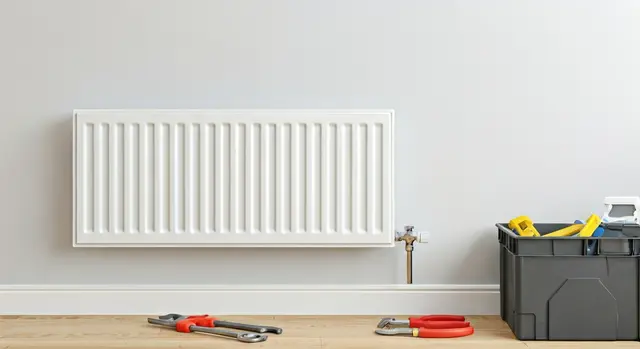
Radiators are crucial for keeping your home warm and comfortable, especially during the colder months. But like all household components, they don't last forever. Whether you're dealing with a leak, poor performance, or simply want to upgrade your home's aesthetics, understanding the cost of replacing a radiator is essential for budgeting. This guide provides a detailed breakdown of what you can expect to pay in the UK in 2026, helping you make an informed decision.
Why Replace a Radiator?
Before diving into costs, it's helpful to understand the common reasons homeowners opt for a radiator replacement:
- Leaks or Corrosion: Over time, radiators can corrode internally, leading to pinhole leaks or significant water damage. This often means replacement is the only viable solution.
- Inefficient Heating: If a radiator consistently fails to heat up properly, even after bleeding and balancing, it might be sludged up or have internal blockages that reduce its efficiency.
- Aesthetics: Older, yellowing, or bulky radiators can detract from a room's appearance. Modern designer radiators, column radiators, or vertical models can significantly enhance a space.
- Renovation or Extension: When undertaking a home renovation or adding an extension, you might need to relocate radiators, install new ones, or upgrade existing units to match the new heating demands.
- System Upgrade: Replacing old, inefficient radiators with modern, high-output models can improve your central heating system's overall performance and energy efficiency.
Radiator Replacement Cost UK 2026: A Breakdown
The total cost of replacing a radiator in the UK typically comprises three main elements: the radiator unit itself, the necessary valves and accessories, and the labour cost for installation. Prices can vary significantly based on the type and size of the radiator, your location, and the complexity of the job.
1. Cost of the Radiator Unit
The price of the radiator itself is a major factor. Here’s a rough guide for 2026:
- Standard Panel Radiators (White, Steel): These are the most common and budget-friendly.
- Single Panel (e.g., 500mm x 800mm): £40 - £80
- Double Panel (e.g., 500mm x 800mm): £70 - £120
- Column Radiators: Offering a more traditional or industrial look, these are often more expensive.
- Small to Medium: £150 - £350
- Large: £300 - £600+
- Designer Radiators: These come in various styles, colours, and materials, often chosen for aesthetic appeal.
- Medium to Large: £200 - £800+ (can exceed £1000 for bespoke designs)
- Vertical Radiators: Space-saving and modern, these are popular for contemporary homes.
- Medium to Large: £180 - £500+
- Towel Radiators (Bathroom): Designed for bathrooms, they can be chrome, white, or anthracite.
- Small to Medium: £80 - £200
- Large or Designer: £150 - £400+
2. Cost of Valves and Accessories
Don't forget the necessary fittings:
- Thermostatic Radiator Valves (TRVs): Highly recommended for energy efficiency, allowing you to control the temperature of individual rooms. A pair typically costs £20 - £50.
- Manual Valves: A cheaper alternative, but offer less control. A pair costs £10 - £20.
- Radiator Brackets: Usually included with the radiator, but replacements or specific types can cost £5 - £20.
- Inhibitor/Chemicals: When draining and refilling your system, a corrosion inhibitor should always be added. This typically costs £10 - £20.
3. Labour Cost for Installation
Plumbers in the UK typically charge between £60 and £90 per hour, though this can vary by region (London rates are usually higher). Most plumbers will offer a fixed price for a radiator replacement job. Replacing a like-for-like radiator, assuming no complications, usually takes 2-4 hours.
- Labour for a straightforward replacement: £120 - £360
- Additional time for complications: Moving pipework, power flushing, or dealing with difficult access will increase labour time and cost.
Total Estimated Costs for Radiator Replacement (2026)
Based on the above, here are some typical total costs:
- Replacing a standard single panel radiator (like-for-like): £180 - £300
- Replacing a standard double panel radiator (like-for-like): £200 - £400
- Upgrading to a standard column or vertical radiator: £300 - £600+
- Installing a new towel radiator in a bathroom: £250 - £600+
- Upgrading to a designer radiator: £400 - £1200+ (highly variable depending on the unit)
These figures are averages. Always get a detailed quote for your specific needs.
Factors Affecting the Final Price
Several elements can influence the overall cost of your radiator replacement:
- Type and Size of Radiator: As detailed above, designer and larger radiators cost more.
- Location within the UK: Plumbers in London and the South East typically charge higher rates than those in other regions.
- Complexity of the Job:
- Like-for-like replacement: This is the simplest and cheapest.
- Moving or adding new pipework: If the new radiator is a different size, or you're moving its position, this will incur extra labour and material costs.
- System draining and refilling: All radiator replacements require the system to be drained and refilled. If the system hasn't been flushed in a while, a plumber might recommend a power flush, which is an additional service.
- Disposal of old radiator: Some plumbers include this; others may charge a small fee.
- Emergency Call-out: If your radiator has burst and requires immediate replacement outside of normal working hours, an emergency plumber will charge a premium. You can find emergency plumbers near you quickly through FixDelivered.
- Boiler Type: While not directly affecting radiator cost, older gravity-fed systems or specific boiler types might require slightly different approaches or take a little longer to drain/refill, potentially adding to labour.
The Radiator Replacement Process: What to Expect
When a professional plumber replaces your radiator, they will typically follow these steps:
- Drain the System: The central heating system will be drained, or at least isolated to minimise water loss, to allow the old radiator to be removed.
- Remove Old Radiator: The old radiator is disconnected from the pipework and carefully removed.
- Prepare New Radiator & Pipework: The new radiator's brackets are fitted, and any adjustments to the pipework are made to ensure a perfect fit.
- Install New Radiator: The new radiator is securely mounted and connected to the central heating pipes, along with the new valves.
- Refill and Bleed System: The central heating system is refilled with water, and a corrosion inhibitor is added. The new radiator and the rest of the system are then bled to remove any trapped air.
- Test and Balance: The plumber will test the new radiator to ensure it heats up correctly and may balance the system to ensure even heat distribution.
When to Call a Professional
Radiator replacement involves draining and refilling your central heating system, which can be complex and messy if not done correctly. Furthermore, incorrect installation can lead to leaks, damage to your flooring, or an inefficient heating system. For these reasons, we strongly recommend always hiring a qualified plumber for radiator replacement.
Safety Note: If your central heating system is connected to a gas boiler, any work on the boiler itself or its immediate pipework must ONLY be carried out by a Gas Safe registered plumber. While radiator replacement doesn't typically involve direct work on the gas boiler, it's part of the same system, so always ensure your plumber is qualified and experienced.
Tips for Saving Money on Radiator Replacement
- Get Multiple Quotes: Always obtain at least three quotes from different plumbers to compare prices and ensure you're getting a fair deal.
- Supply Your Own Radiator: If you're confident in choosing the right size and type, buying the radiator yourself can sometimes save money, as plumbers may mark up parts. However, discuss this with your plumber first to ensure compatibility and warranty.
- Combine Jobs: If you have other plumbing tasks, such as replacing multiple radiators or other maintenance, ask if the plumber offers a discount for combining jobs.
- Consider Off-Peak Times: While less critical for radiator replacement than emergency repairs, sometimes plumbers are less busy during warmer months, potentially offering more competitive rates.
- Regular Maintenance: Keeping your central heating system well-maintained (e.g., annual boiler service, regular bleeding of radiators) can extend the life of your existing radiators and prevent premature replacement.
Finding a Qualified Plumber
When it's time to replace a radiator, you need a reliable and experienced professional. FixDelivered makes it easy to find a local plumber who is qualified and available. You can quickly tell us your emergency or non-urgent plumbing needs, and we'll connect you with vetted professionals in your area. Our platform allows you to agree on the call-out fee upfront, ensuring transparency and no hidden costs. Learn more about how FixDelivered works to get your plumbing issues sorted efficiently.
Replacing a radiator is a significant home improvement that can enhance your comfort and potentially save on energy bills. By understanding the costs involved and choosing a qualified professional, you can ensure a smooth and effective installation.
Frequently asked questions
How long does it take to replace a radiator?
For a straightforward, like-for-like radiator replacement, a qualified plumber typically takes between 2 to 4 hours. This includes draining the system, removing the old radiator, installing the new one, refilling, and bleeding the system. More complex jobs, such as moving pipework, will take longer.
Do I need to drain the whole system to replace one radiator?
Yes, typically the entire central heating system needs to be drained down to replace a radiator safely and without excessive water spillage. While some advanced plumbers might attempt to isolate the flow to a single radiator in specific circumstances, draining the system is the standard and safest procedure. This also allows for the addition of fresh inhibitor when refilling.
Can I replace a radiator myself?
While it is technically possible for a competent DIY enthusiast to replace a radiator, it involves draining and refilling the entire central heating system, which can be complex. Incorrect procedures can lead to leaks, airlocks, and damage to your heating system. For peace of mind and to ensure the job is done correctly and safely, it is always recommended to hire a qualified plumber.
What's the difference between a single and double panel radiator?
A single panel radiator has one heating panel, while a double panel radiator has two heating panels and often a convector fin between them. Double panel radiators emit significantly more heat than single panel radiators of the same size, making them suitable for larger rooms or spaces requiring more warmth. They are also thicker and generally more expensive.
Should I replace all my radiators at once?
This depends on their condition and your budget. If all your radiators are old, inefficient, or showing signs of corrosion, replacing them all at once might be more cost-effective in terms of labour, as the system only needs to be drained and refilled once. If only one or two are problematic, replacing them individually is fine. Discuss options with your plumber to get tailored advice.
Need a plumber now? Tell us your emergency and FixDelivered will find and confirm an available local plumber near you, usually within the hour.
Written by the FixDelivered Team. Reviewed by Rupert Lowe, Editor. Last updated 2026-09-26.