Advice & guides › Costs & Pricing
New Boiler Cost UK 2026: When to Replace & What to Pay
By The FixDelivered Team · Updated 2026-09-22 · 7 min read
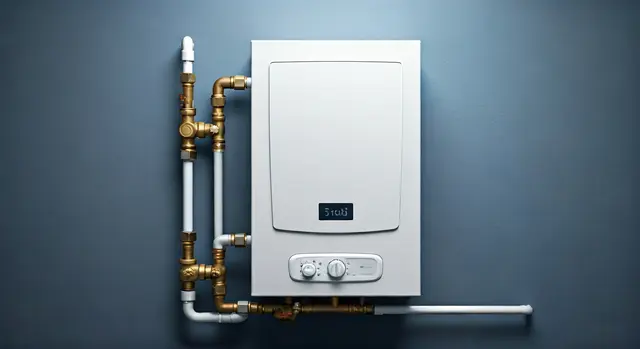
A reliable boiler is the heart of any warm and comfortable UK home. But like all appliances, boilers don't last forever. Understanding when to replace your boiler and what the potential costs might be is crucial for managing your home's heating efficiently and safely. This guide provides current insights for 2026, helping you make an informed decision.
When to Consider a New Boiler
Knowing the signs that your boiler is nearing the end of its life can save you from unexpected breakdowns and costly emergency repairs. Here's what to look out for:
- Age: Most boilers have a lifespan of 10-15 years. If yours is older, its efficiency will likely have dropped, and components may be wearing out.
- Frequent Breakdowns: Are you regularly calling out an engineer? The cost of repeated repairs can quickly add up, often surpassing the investment in a new, more reliable unit.
- Inefficiency and High Bills: Older boilers are less energy-efficient. If your energy bills are creeping up despite no significant change in usage, your boiler could be to blame. Modern condensing boilers are significantly more efficient.
- Lack of Hot Water or Heating: If your home isn't heating evenly, or you're running out of hot water faster than usual, it could indicate a failing boiler.
- Strange Noises: Banging, gurgling, or whistling sounds coming from your boiler can signal internal issues, such as limescale build-up (kettling) or pump problems.
- Visible Leaks: Any water leaking from your boiler is a red flag and needs immediate attention. While some leaks can be repaired, persistent leaks might suggest internal corrosion or multiple failing components.
- Safety Concerns: If you notice a yellow flame (instead of blue) or black soot around your boiler, it could indicate incomplete combustion, posing a risk of carbon monoxide. This is an emergency – turn off your boiler and ventilate your home immediately. Always call a Gas Safe registered engineer for any gas-related safety concerns.
Types of Boilers in the UK
Before diving into costs, it's helpful to understand the main types of boilers:
- Combi Boilers: The most popular choice in the UK, combi (combination) boilers provide both heating and hot water directly from the mains. They don't require a hot water cylinder or cold water tank, saving space. Ideal for smaller to medium-sized homes with one or two bathrooms.
- System Boilers: These work with a hot water storage cylinder but don't need a cold water tank in the loft. They're good for homes with multiple bathrooms where hot water is needed simultaneously from several taps.
- Regular (Conventional) Boilers: Also known as heat-only boilers, these require both a hot water cylinder and a cold water tank (usually in the loft). They're often found in older, larger homes and are suitable if you have multiple bathrooms and a high demand for hot water.
New Boiler Cost UK 2026: What to Expect
The cost of a new boiler installation in the UK for 2026 can vary significantly, typically ranging from £2,000 to £4,500 for a standard like-for-like combi boiler replacement. More complex installations or conversions from one system type to another can push costs higher, sometimes into the £4,000 to £6,000+ bracket.
Here's a breakdown of the typical costs:
- Boiler Unit Cost: This is the price of the boiler itself. For a reputable brand, you can expect to pay roughly:
- Combi Boiler: £800 - £2,500
- System Boiler: £700 - £2,000
- Regular Boiler: £600 - £1,800
- Installation Labour: This covers the engineer's time and expertise. A straightforward replacement might take 1-2 days, while a conversion or relocation could take 3-5 days. Labour costs typically range from £500 - £1,500, but can be more for complex jobs.
- Ancillary Costs & Materials: These are often overlooked but contribute significantly to the total price:
- Flushing the System: Powerflushing (removing sludge and debris) is crucial for new boiler efficiency and warranty, typically £300-£600.
- Magnetic Filter: Protects your new boiler from sludge, around £100-£200.
- Thermostat & Controls: Basic room thermostats are standard, but smart thermostats can add £150-£300+.
- Chemical Inhibitor: Added to the system to prevent corrosion, £20-£50.
- Condensate Pipe: May need extending or upgrading, £50-£150.
- Flue: Upgrading or replacing the flue, £100-£300.
- Removal & Disposal of Old Boiler: Typically included, but check.
- Minor Pipework & Valves: Depending on system compatibility.
- Scaffolding: If the flue needs external access at height, £200-£500.
Factors Influencing Boiler Replacement Costs
Several variables impact the final price:
- Boiler Type & Brand: Premium brands and higher-spec models cost more.
- Boiler Size (kW Output): Larger homes or those with higher hot water demand need a more powerful boiler, which typically costs more.
- Complexity of Installation:
- Like-for-like swap: Replacing an old combi with a new combi in the same location is usually the cheapest option.
- Relocating the boiler: Moving the boiler to a different part of the house involves significant pipework and flue alterations, increasing labour and material costs.
- System conversion: Switching from a regular boiler to a combi, or vice-versa, is the most complex and expensive, as it involves removing tanks/cylinders and altering pipework extensively.
- Property Size & Type: Larger homes generally require more powerful and expensive boilers.
- Geographic Location: Installation costs can be higher in London and the South East compared to other regions of the UK.
- Additional Components: Smart thermostats, zoning controls, and advanced filtration systems add to the overall cost.
- Warranty Length: Longer warranties (e.g., 5-10 years) often come with slightly higher boiler prices but offer greater peace of mind.
Choosing the Right Boiler
A qualified engineer will help you determine the best boiler for your home, considering:
- Your Hot Water Demand: How many bathrooms do you have? How many people live in your home?
- Your Property Size: This dictates the required boiler output (kW).
- Your Existing System: Is it easier and more cost-effective to replace like-for-like, or is it time for an upgrade?
- Fuel Type: Most UK homes use natural gas, but oil, LPG, or electric boilers are options for properties off the gas grid.
- Efficiency Rating: Look for an ErP (Energy-related Products) rating of 'A' to ensure maximum efficiency and lower running costs.
The Installation Process & Safety
Once you've chosen your boiler and accepted a quote, the installation process typically involves:
- Pre-installation Survey: The engineer will confirm all details and requirements.
- Installation Day(s): The old boiler is removed, and the new one is fitted. This includes connecting to the gas supply, water pipes, flue, and electrical supply. The system will be flushed and a magnetic filter installed.
- Commissioning: The engineer will thoroughly test the new boiler to ensure it's working safely and efficiently, setting up controls and explaining its operation.
- Paperwork: You'll receive a Gas Safe Register certificate and the boiler warranty information.
Crucial Safety Note: Any work on gas boilers and heating systems must only be carried out by a Gas Safe registered engineer. Attempting to install or repair a gas appliance yourself is illegal, extremely dangerous, and can invalidate your home insurance. Always ask to see their Gas Safe ID card. You can find Gas Safe registered plumbers quickly and easily through FixDelivered.
How to Get a Quote and Find a Qualified Engineer
It's always recommended to get at least three quotes from different Gas Safe registered engineers. This allows you to compare prices, advice, and ensure you're getting the best value.
When you're ready to find a trusted professional, FixDelivered can help you connect with qualified local plumbers, including Gas Safe registered engineers, quickly. Simply tell us your emergency or project, and we'll help you find available professionals. Our booking fee is refundable if no plumber is found, and the plumber's callout fee is agreed upfront and paid directly to them, ensuring transparency.
Boiler Maintenance
Once your new boiler is installed, ensure it receives an annual service from a Gas Safe registered engineer. This keeps your warranty valid, maintains efficiency, and catches potential issues before they become costly breakdowns, prolonging the life of your investment.
Conclusion
Investing in a new boiler is a significant decision, but a necessary one for a safe, warm, and energy-efficient home. By understanding the typical costs, the factors that influence them, and the importance of using a Gas Safe registered engineer, you can approach the process with confidence. Don't wait for a complete breakdown; consider replacing an old or inefficient boiler proactively to enjoy reliable heating and potentially lower energy bills for years to come.
Frequently asked questions
How long does a new boiler installation take?
A straightforward like-for-like combi boiler replacement in the same location typically takes 1-2 days. More complex jobs, such as relocating the boiler or converting from a different system type, can take 3-5 days or longer.
Can I replace my boiler myself?
No. Any work on gas boilers and heating systems in the UK must only be carried out by a Gas Safe registered engineer. It is illegal and highly dangerous to attempt such work yourself due to the risk of gas leaks, carbon monoxide poisoning, and explosions.
How often should I service my new boiler?
You should have your new boiler serviced annually by a Gas Safe registered engineer. This is usually a condition of your warranty, ensures the boiler operates safely and efficiently, and helps to extend its lifespan.
What's the main difference between a combi and a system boiler?
A combi boiler heats water on demand, providing instant hot water without needing a separate cylinder or tanks. A system boiler heats water that is stored in a hot water cylinder, making it suitable for homes with multiple bathrooms that need hot water from several taps simultaneously. System boilers do not require a cold water tank in the loft like older conventional boilers.
Does a new, more efficient boiler really save money?
Yes, absolutely. Modern condensing boilers are significantly more energy-efficient than older models, often boasting efficiency ratings of 90% or more. This means less energy is wasted, leading to lower gas bills over time. The savings can be substantial, especially if you're replacing a very old, inefficient boiler.
Need a plumber now? Tell us your emergency and FixDelivered will find and confirm an available local plumber near you, usually within the hour.
Written by the FixDelivered Team. Reviewed by Rupert Lowe, Editor. Last updated 2026-09-22.