Advice & guides › Costs & Pricing
Blocked Toilet Cost UK 2026: What to Expect
By The FixDelivered Team · Updated 2026-09-25 · 7 min read
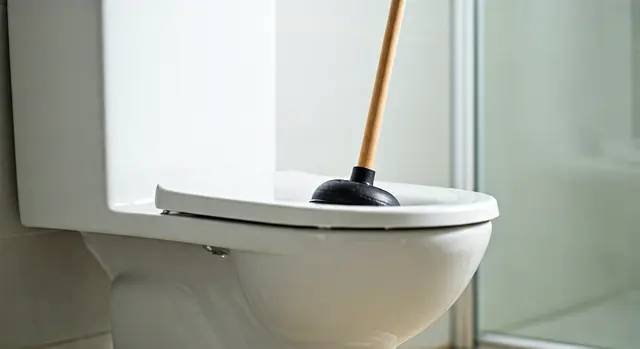
A blocked toilet is never a pleasant experience, and often happens at the most inconvenient times. While some minor blockages can be tackled yourself, more stubborn issues require professional intervention. Understanding the typical costs involved can help you prepare and make informed decisions. This guide will break down what you can expect to pay for unblocking a toilet in the UK in 2026, when to consider a DIY fix, and when to call in a professional.
Understanding Blocked Toilet Costs in the UK (2026)
The cost of unblocking a toilet in the UK varies significantly based on several factors. As a rough guide, you can expect to pay anywhere from £75 for a simple, quick fix to £500+ for complex main drain issues. Here's what influences the price:
- Severity and Location of the Blockage: A blockage in the toilet bowl or trap is generally easier and cheaper to clear than one deep within your internal pipework or, worse, in the external main drain.
- Time of Day/Week: Emergency call-outs outside of standard working hours (evenings, weekends, bank holidays) will incur higher charges.
- Your Location: Plumbers in London and the South East typically charge more than those in other regions of the UK.
- Access: If the blockage is difficult to reach or requires lifting floorboards or removing the toilet, the labour time and cost will increase.
- Equipment Needed: Simple blockages might only require a plunger or an auger. More complex issues could necessitate specialist equipment like CCTV drain cameras or high-pressure water jetting.
- Plumber vs. Drainage Specialist: For severe, recurring, or external drain blockages, you might need a dedicated drainage specialist, who may have different pricing structures than a general plumber.
Breakdown of Typical Costs (2026)
Here's a general overview of what you might expect to pay for different types of blocked toilet scenarios:
- Simple Toilet Bowl/Trap Blockage: For a blockage close to the toilet that can be cleared with a plunger or a basic toilet auger, expect to pay £75 - £150. This usually covers the plumber's call-out fee and the first hour of labour.
- Internal Pipework Blockage: If the blockage is further down the internal waste pipe, requiring a plumber to use a drain snake or more advanced tools, the cost could be between £120 - £250. This might involve more time and expertise.
- Main Drain or External Blockage: If the issue stems from the main drainage system outside your property, or if it's a recurring problem suggesting a structural issue, the cost can escalate to £200 - £500+. This often requires specialist drainage equipment like CCTV inspection for diagnosis and high-pressure jetting for clearance. For shared drainage issues, it's worth checking if your local water company is responsible for the repair before calling a private contractor.
- Emergency/Out-of-Hours Call-Out: Expect to pay a premium for urgent services. An emergency call-out fee could range from £100 - £250, often with higher hourly rates on top.
Note on Pricing: Many plumbers offer a fixed call-out fee which includes the first hour of labour. Always clarify the pricing structure upfront – whether it's a fixed price for the job, an hourly rate, or a call-out fee plus hourly rate.
DIY Solutions for Simple Blockages
Before calling a professional, you can try to unblock your toilet if the issue seems minor and localised. This is suitable for slow-draining toilets or those with a visible, recent blockage. Do NOT attempt DIY if: the toilet is overflowing with raw sewage, multiple drains in your home are affected, or there's a strong sewage smell indicating a deeper issue.
Tools You'll Need:
- Rubber gloves
- Old towels or newspaper to protect the floor
- A bucket (in case of overflow)
- A good quality toilet plunger (flange plunger recommended)
- Hot water (not boiling, as boiling water can crack porcelain)
- Washing-up liquid or mild soap
Method 1: Using a Plunger
- Protect the Area: Lay towels around the base of the toilet to catch any splashes.
- Remove Excess Water: If the bowl is very full, carefully scoop out some water into a bucket until it's about half full. This creates space for the plunger to work effectively.
- Position the Plunger: Place the plunger over the toilet's drain hole, ensuring you create a tight seal. The flange (the rubber rim) should extend into the drain.
- Plunge Vigorously: Push down and pull up the plunger firmly for about 10-20 seconds. The goal is to create suction and pressure to dislodge the blockage.
- Check and Repeat: Remove the plunger. If the water drains, flush cautiously (only once at first) to see if the blockage is clear. If not, repeat the plunging process.
Method 2: Hot Water and Washing-Up Liquid
- Add Washing-Up Liquid: Squeeze a generous amount (about half a cup) of washing-up liquid into the toilet bowl. This acts as a lubricant.
- Add Hot Water: Pour a bucket of hot (not boiling) water into the toilet bowl from waist height. The force of the water combined with the heat and soap can help break down certain blockages.
- Wait: Leave it for 20-30 minutes, or even longer if possible. The soap needs time to work its way around the blockage.
- Flush Cautiously: After waiting, try to flush the toilet. If it drains, flush again to ensure the blockage is completely clear.
Safety Caution: Never use chemical drain cleaners for a blocked toilet. They are highly corrosive, can damage your pipes, and pose a significant health risk to you, your family, and pets. If they don't clear the blockage, a plumber will then have to work with hazardous chemicals in the toilet bowl, increasing risk and potentially cost.
When to Call a Professional Plumber
If your DIY attempts are unsuccessful, or if you encounter any of the following, it's time to call a professional:
- The toilet remains blocked or drains very slowly after multiple DIY attempts.
- The blockage is causing the toilet to overflow with waste water.
- You notice gurgling sounds from other drains (e.g., sink or shower) when you flush the toilet.
- Multiple fixtures in your home (e.g., toilet, sink, bath) are draining slowly or are blocked.
- There's a foul, sewage-like odour coming from your drains.
- You suspect the blockage is in your main external drain.
A qualified plumber will have the expertise and specialist tools (such as drain augers, CCTV cameras, or high-pressure jetters) to diagnose and clear even the most stubborn blockages safely and efficiently. For urgent issues, you can quickly find emergency plumbers near you.
If DIY solutions don't work, or if you're facing a more serious blockage, it's time to call in a professional. FixDelivered can help you find a qualified local plumber fast. We ensure you agree on the call-out fee upfront, so there are no surprises.
Avoiding Overcharging and Choosing a Plumber
To ensure you get a fair price and quality service:
- Get Multiple Quotes: If it's not an emergency, obtain quotes from a few different plumbers or drainage specialists.
- Understand the Pricing: Always ask for a clear breakdown of costs – is it a call-out fee plus hourly rate, or a fixed price for the job? What's included?
- Check Reviews and References: Look for plumbers with good local reputations and positive customer feedback.
- Ask About Guarantees: A reputable plumber will often guarantee their work for a certain period.
- Confirm Qualifications: While not Gas Safe related, ensure they are experienced and insured for drainage work.
When you use FixDelivered, you're connected with vetted local plumbers, and the upfront agreement on the call-out fee provides peace of mind, helping you avoid unexpected costs.
Insurance and Blocked Drains
Typically, standard home insurance policies (buildings and contents) do not cover blockages caused by gradual wear and tear, misuse (e.g., flushing inappropriate items), or lack of maintenance. However, if a blockage leads to sudden, accidental damage (e.g., a burst pipe causing significant water damage to your property), then parts of the repair might be covered. Always check your specific policy details or speak to your insurer.
For external drains, remember that the responsibility for maintenance and repair often lies with your local water company once the drain leaves your property boundary and connects to a public sewer. If you suspect an issue with a public sewer, contact your water company first.
Conclusion
Dealing with a blocked toilet can be frustrating, but understanding the potential costs and when to seek professional help can save you time, money, and stress. While minor blockages can often be resolved with simple DIY methods, don't hesitate to call a qualified plumber for more persistent or severe issues. Their expertise and specialist equipment will ensure the problem is resolved efficiently and correctly.
For reliable, local plumbers, get a plumber now through FixDelivered and get your home back in working order.
Frequently asked questions
Can home insurance cover a blocked toilet?
Typically, home insurance does not cover blockages caused by normal wear and tear or misuse. However, if a blockage leads to sudden, accidental damage (e.g., a burst pipe causing property damage), then the resulting damage and repair might be covered. Always check your specific policy details.
How long does it typically take a plumber to unblock a toilet?
For a simple blockage in the toilet bowl or trap, a plumber can often clear it within 30-60 minutes. More stubborn blockages deeper in the pipework might take 1-2 hours, especially if specialist equipment is required for diagnosis or clearance.
Should I use chemical drain cleaner for a blocked toilet?
No, it is strongly advised against using chemical drain cleaners. They are highly corrosive, can damage your pipes, and pose significant health risks. If they don't work, a plumber will then have to deal with hazardous chemicals, which can complicate the repair and increase costs.
What's the difference between a plumber and a drainage specialist?
A general plumber handles a wide range of water system issues, including taps, toilets, pipes, and heating systems. A drainage specialist, however, focuses specifically on drainage systems, often having more advanced equipment like CCTV drain cameras and high-pressure jetters, making them ideal for complex or external drain blockages.
Need a plumber now? Tell us your emergency and FixDelivered will find and confirm an available local plumber near you, usually within the hour.
Written by the FixDelivered Team. Reviewed by Rupert Lowe, Editor. Last updated 2026-09-25.