Advice & guides › Costs & Pricing
Drain Unblocking Cost UK 2026: DIY vs. Professional Help
By The FixDelivered Team · Updated 2026-09-17 · 7 min read
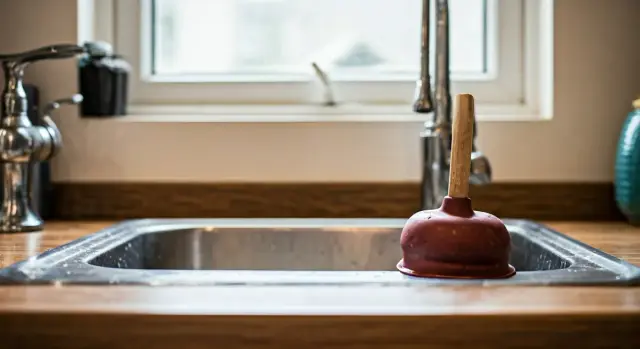
A blocked drain is a common, and often frustrating, household problem. From slow-draining sinks to overflowing toilets, the issue can quickly escalate if not addressed. The big question often is: can I fix this myself, or do I need to call a professional? And crucially, how much will it cost?
This guide provides a comprehensive overview of drain unblocking costs in the UK for 2026, offering clear advice on when to roll up your sleeves and when to seek expert help. We'll cover common causes, DIY solutions, and what to expect when hiring a qualified plumber.
Common Causes of Blocked Drains
Understanding what typically causes a blockage can help you prevent future issues and even identify the best approach for clearing it.
- Hair and Soap Scum: A major culprit in bathroom drains, hair combines with soap residue to form stubborn clogs.
- Grease and Food Debris: Pouring cooking oils and fats down kitchen sinks allows them to solidify in pipes, trapping food particles.
- Foreign Objects: Cotton buds, wet wipes (even 'flushable' ones), sanitary products, children's toys, and even small bits of packaging can easily block toilets and drains.
- Tree Roots: Outside, tree roots can infiltrate cracks in older or damaged pipes, growing and creating significant blockages.
- Scale Build-up: In hard water areas, mineral deposits can accumulate inside pipes, narrowing the passage and trapping debris.
- Structural Issues: Collapsed pipes, misaligned joints, or significant pipe damage can cause persistent blockages that require professional attention.
DIY Drain Unblocking: Simple Fixes
For minor, localised blockages, a DIY approach can often save you time and money. Always prioritise safety and ensure you have the right tools.
Tools You Might Need:
- Rubber gloves
- Plunger (cup plunger for sinks/baths, flange plunger for toilets)
- Bucket
- Old towels or rags
- Drain unblocker (chemical or enzymatic – use with caution)
- Drain snake or auger (manual hand-cranked type)
- Screwdriver (for removing drain covers)
Step-by-Step DIY Guide:
- Clear the Area: Remove any standing water or debris around the drain. Place towels down to catch spills.
- Use a Plunger: Ensure there's enough water to cover the plunger's cup. Create a tight seal over the drain and plunge vigorously for 20-30 seconds. Pull up sharply to create suction. Repeat several times. For toilets, ensure the flange plunger creates a good seal around the U-bend.
- Try Boiling Water (for grease/soap): For kitchen sinks, after plunging, carefully pour a kettle full of boiling water down the drain. This can help dissolve grease. Caution: Do not use boiling water if you've recently used chemical drain unblockers, as it can react dangerously. Also, avoid on plastic pipes if unsure of their heat resistance.
- Use a Chemical Drain Unblocker (with extreme caution): Follow the product instructions precisely. Wear gloves and eye protection. Ensure good ventilation. Pour the recommended amount down the drain and leave for the specified time. Flush with water as directed. Never mix different chemical unblockers. Never use after a plunger if the drain is still blocked, as splashing can be dangerous.
- Employ a Drain Snake/Auger: For more stubborn blockages, a manual drain snake can be effective. Feed the cable into the drain, turning the handle as you go. When you feel resistance, rotate the snake to hook or break up the blockage. Slowly pull the snake back out, clearing any debris.
- Clean and Test: Once you believe the blockage is clear, run hot water for a few minutes to flush the pipes.
When to Call a Professional (for DIY attempts):
If your DIY efforts don't work after a couple of attempts, or if the blockage recurs quickly, it's time to stop and consider professional help. Persistent blockages often indicate a deeper or more complex problem that DIY methods can't resolve.
Professional Drain Unblocking: When to Call the Experts
While DIY can tackle many minor issues, some blockages simply require the expertise and equipment of a qualified plumber. Don't hesitate to call for professional help if:
- The blockage is severe or recurrent: If multiple drains are affected, or the same drain keeps blocking, it points to a deeper issue.
- Foul odours persist: This can indicate a build-up of waste or a more serious issue like a damaged pipe.
- You suspect structural damage: If you hear gurgling from other drains, see damp patches, or notice subsidence, there could be pipe damage.
- It's an outside drain: External drains often require specialist equipment like high-pressure jetting.
- You're unsure or uncomfortable: Safety first! If you're not confident in your DIY skills, a professional will handle it efficiently and safely.
- Gas-related issues: While rare for simple drain blocks, if the blockage is somehow connected to a boiler or other gas appliance, you must ONLY contact a Gas Safe registered plumber.
A professional plumber has access to advanced tools like CCTV drain surveys to identify the exact nature and location of a blockage, and high-pressure water jetting to clear even the most stubborn clogs. You can quickly tell us your emergency and find a qualified local plumber through FixDelivered.
Drain Unblocking Cost UK 2026
The cost to unblock a drain in the UK can vary significantly based on the severity of the blockage, the tools required, the plumber's call-out fee, your location, and the time of day. Here's a rough guide for 2026:
- Simple Blockages (Plunger/Snake): For basic unblocking that can be resolved quickly with manual tools, expect to pay between £80 - £150. This usually covers the plumber's initial call-out and the first hour of labour.
- Moderate Blockages (Manual Auger/Drain Rods): If the blockage is further down and requires a more extensive manual approach, costs typically range from £120 - £250.
- Complex Blockages (High-Pressure Water Jetting): For stubborn blockages, especially in external drains or main waste pipes, plumbers may use high-pressure water jetting. This service can cost anywhere from £150 - £350+, depending on the duration and complexity.
- CCTV Drain Survey: If the cause of the blockage isn't clear, or if damage is suspected, a CCTV survey might be needed. This is usually a separate service, starting from around £200 - £400+, but it provides a definitive diagnosis.
- Emergency Call-Outs: For urgent situations outside of standard working hours (evenings, weekends, bank holidays), expect an additional premium of £50 - £100+ on top of the standard rates.
Factors Affecting Cost:
- Location: Prices can be higher in London and the South East compared to other regions of the UK.
- Time of Day: Out-of-hours service (evenings, weekends) always incurs higher charges.
- Complexity: The more difficult the blockage is to access or clear, the higher the cost.
- Equipment Needed: Specialist equipment like jetting machines or CCTV cameras adds to the overall cost.
With FixDelivered, the plumber's call-out fee and any agreed work are paid directly to them, ensuring transparency. You can find emergency plumbers near you quickly and easily.
Preventative Measures
An ounce of prevention is worth a pound of cure, especially when it comes to drains:
- Use Drain Strainers: Place strainers in all sinks and shower drains to catch hair and food debris.
- Dispose of Grease Properly: Never pour cooking fat or oil down the sink. Let it cool and solidify, then scrape it into your bin.
- Be Mindful of What You Flush: Only flush the 'three Ps': pee, poo, and (toilet) paper. Even 'flushable' wipes are a common cause of blockages.
- Regular Flushing: Periodically flush drains with hot, soapy water to help break down grease and soap scum.
- Consider Enzymatic Cleaners: These can help break down organic matter in drains over time, but are not immediate unblockers.
Choosing a Professional Plumber
When you need a professional, it's crucial to choose a qualified and reliable individual or company. Look for plumbers with good local reputations, clear pricing, and appropriate insurance. If you're unsure how to find one, FixDelivered connects you with vetted local plumbers. Learn more about how FixDelivered works to get help fast.
Conclusion
Dealing with a blocked drain can be a nuisance, but by understanding the causes, knowing when to attempt a DIY fix, and recognising when to call in a professional, you can resolve the issue efficiently. For minor clogs, a plunger or drain snake might be all you need. For more stubborn or recurring problems, don't hesitate to contact a qualified plumber who has the tools and expertise to get your drains flowing freely again. Remember, you can always find reliable local professionals by searching find a local plumber through FixDelivered.
Frequently asked questions
How much does it cost to unblock a drain in the UK in 2026?
For simple blockages, expect to pay £80-£150. More complex issues requiring high-pressure jetting can range from £150-£350+. Emergency call-outs will typically add £50-£100 to these costs. Prices vary by location and severity.
When should I try to unblock a drain myself?
You can typically try DIY methods for minor, localised blockages in a single sink, bath, or toilet using a plunger, boiling water (with caution), or a manual drain snake. Always stop if the blockage is stubborn, recurring, or if you suspect deeper issues.
When should I call a professional plumber for a blocked drain?
Call a professional if your DIY attempts fail, if multiple drains are blocked, if there are foul odours, if you suspect pipe damage, or if the blockage is in an external drain. Professionals have specialist equipment like CCTV and high-pressure jetting.
Can I use chemical drain unblockers safely?
Chemical drain unblockers can be effective but must be used with extreme caution. Always follow product instructions, wear protective gear, ensure ventilation, and never mix different chemicals. Avoid using them after a plunger if the drain is still blocked, as splashing can be dangerous.
How can I prevent drains from blocking?
Use drain strainers, avoid pouring grease down the sink, only flush the 'three Ps' (pee, poo, paper), and periodically flush drains with hot, soapy water. These simple steps can significantly reduce the likelihood of blockages.
Need a plumber now? Tell us your emergency and FixDelivered will find and confirm an available local plumber near you, usually within the hour.
Written by the FixDelivered Team. Reviewed by Rupert Lowe, Editor. Last updated 2026-09-17.