Advice & guides › Costs & Pricing
Hot Water Cylinder & Immersion Heater Replacement Cost UK
By The FixDelivered Team · Updated 2026-09-04 · 5 min read
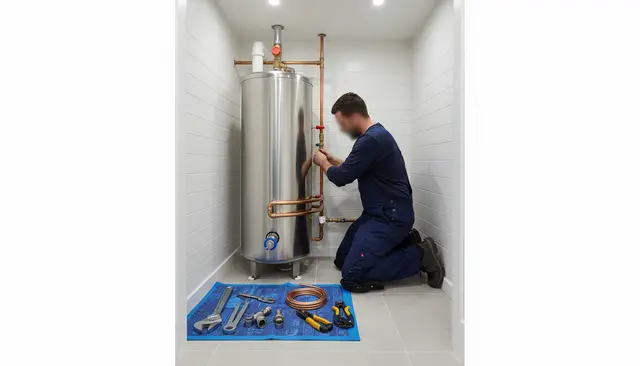
When your hot water cylinder gives up the ghost, or your immersion heater stops working, it can bring daily life to a grinding halt. Understanding the costs involved in replacing these essential components is crucial for budgeting and making informed decisions. This guide breaks down typical prices in the UK for 2026, helping you navigate the process with confidence.
What is a Hot Water Cylinder and Immersion Heater?
A hot water cylinder stores and heats the water used in your home for taps, showers, and baths. There are two main types:
- Vented Cylinders: These are open to atmospheric pressure and are fed by a cold water storage tank, usually in the loft. They rely on gravity for water pressure and typically have a vent pipe.
- Unvented Cylinders: These are sealed units fed directly from the mains water supply, providing much higher water pressure. They require specific safety devices and must be installed by a plumber with a G3 qualification.
An immersion heater is an electric heating element, much like a kettle element, that sits inside a hot water cylinder. It provides an independent way to heat the water, often as a backup to a boiler or as the primary heating method if there's no boiler.
Factors Influencing Hot Water Cylinder Replacement Costs
Several variables will affect the final price you pay for a new hot water cylinder and its installation:
- Type of Cylinder: Unvented cylinders are more complex to install and require a G3-qualified plumber, making them generally more expensive than vented cylinders.
- Cylinder Size/Capacity: Larger cylinders naturally cost more due to increased material and manufacturing costs.
- Material: Copper cylinders are generally cheaper than stainless steel, but stainless steel offers better corrosion resistance and a longer lifespan, often with extended warranties.
- Location and Accessibility: If the cylinder is in a hard-to-reach area (e.g., a cramped airing cupboard, loft, or basement), labour costs may increase due to the extra time and effort required for removal and installation.
- Associated Plumbing Work: Upgrading from a vented to an unvented system often requires significant pipework modifications, potentially the removal of the old cold water storage tank, and fitting new safety components.
- Disposal of the Old Unit: Plumbers typically include the cost of environmentally responsible disposal of your old cylinder in their quote.
- Regional Labour Rates: Plumber labour rates can vary significantly across the UK, with prices generally higher in London and the South East.
- Brand and Warranty: Premium brands often come with higher price tags but may offer better efficiency, reliability, and longer warranties.
Typical Hot Water Cylinder Replacement Costs (UK 2026)
As a rough guide for 2026, here's a breakdown of typical costs:
Vented Hot Water Cylinder Replacement
- Material Cost (120-180 litres): £350 - £750 (copper) or £600 - £1,200 (stainless steel)
- Labour (1-2 days): £400 - £800
- Total Estimated Cost: £750 - £2,000
This includes the cylinder, basic pipework connections, and disposal of the old unit.
Unvented Hot Water Cylinder Replacement
Note: Unvented cylinders MUST be installed by a Gas Safe registered plumber holding a G3 qualification.
- Material Cost (120-250 litres): £700 - £1,500+ (stainless steel)
- Labour (1.5-2.5 days): £600 - £1,200
- Total Estimated Cost: £1,300 - £2,700+
This higher cost reflects the complexity, the need for G3 certification, and the additional safety components required for unvented systems.
Immersion Heater Replacement Costs (UK 2026)
If only the immersion heater element itself has failed, the repair is much simpler and cheaper than replacing the entire cylinder.
- Material Cost (element): £30 - £100 (depending on wattage and type)
- Labour (1-2 hours): £80 - £180
- Total Estimated Cost: £110 - £280
While replacing an immersion heater element can seem straightforward, it involves working with both electricity and water. Due to the potential safety risks, it's always advisable to use a qualified electrician or plumber. If you're unsure, tell us your emergency and get professional help.
What's Included in a Quote?
A comprehensive quote for cylinder replacement should typically include:
- The new hot water cylinder (and any associated components like expansion vessels for unvented systems).
- All necessary pipework, fittings, and valves.
- Labour for removal of the old cylinder and installation of the new one.
- Testing and commissioning of the new system.
- Disposal of the old cylinder.
- For unvented systems, certification of compliance with G3 Building Regulations.
When to Consider Replacement
It's time to think about replacing your hot water cylinder or immersion heater if you notice any of the following:
- Leaks: Any sign of water around the cylinder indicates a serious problem.
- Lack of Hot Water: If your water isn't heating at all, or only lukewarm.
- Discoloured Water: Rusty or murky water can indicate internal corrosion.
- Long Heating Times: If it takes much longer than usual to heat water.
- High Energy Bills: An old or inefficient cylinder can waste a lot of energy.
- Age: Most cylinders have a lifespan of 10-20 years. If yours is older, replacement might be more cost-effective than repeated repairs.
Finding a Qualified Plumber for the Job
Replacing a hot water cylinder, particularly an unvented one, is not a DIY job. It requires specific skills, tools, and certifications. For unvented cylinders, you absolutely must use a plumber who holds a G3 qualification. Failing to do so can be dangerous and could invalidate your home insurance.
When seeking quotes:
- Always get at least two to three quotes from different plumbers.
- Ensure the plumber is qualified for the specific type of cylinder you need (especially G3 for unvented).
- Ask for a detailed breakdown of costs, including parts, labour, and disposal.
- Check their insurance and previous customer reviews.
Finding a reliable professional is key. FixDelivered explains how it works, connecting you with local experts who can provide transparent quotes for your hot water cylinder or immersion heater replacement.
Conclusion
Replacing a hot water cylinder or immersion heater is a significant investment in your home's comfort and efficiency. By understanding the factors that influence costs and knowing what to look for in a qualified professional, you can ensure a smooth and cost-effective process. For swift, reliable service and transparent pricing, consider using FixDelivered to find local plumbers who can handle your hot water emergency.
Frequently asked questions
How long does a hot water cylinder typically last?
The lifespan of a hot water cylinder varies depending on the material and maintenance, but typically, a copper cylinder lasts 10-15 years, while a stainless steel cylinder can last 20 years or more.
Can I replace an immersion heater myself?
While it might seem like a simple task, replacing an immersion heater involves working with both electricity and water, posing significant safety risks. It's strongly recommended to hire a qualified plumber or electrician to ensure the job is done safely and correctly.
What is a G3 qualification and why is it important for unvented cylinders?
A G3 qualification is a specific certification required by Building Regulations for plumbers who install, maintain, or repair unvented hot water storage systems. It ensures the plumber understands the unique safety requirements, such as pressure relief valves, associated with these high-pressure systems. Installation by an unqualified person can be dangerous and illegal.
Need a plumber now? Tell us your emergency and FixDelivered will find and confirm an available local plumber near you, usually within the hour.
Written by the FixDelivered Team. Reviewed by Rupert Lowe, Editor. Last updated 2026-09-04.